
Norton Motorcycles: A Legacy of Heritage, Innovation and Resurgence
PART ONE: JAMES NORTON AND THE BIRTH OF A RACING LEGEND
Norton's story begins with one man. James "Pa" Norton was more than a motorcycle manufacturer: he was an engineer, racer and entrepreneur whose vision helped establish a culture of ingenuity, ambition and technical excellence that continues to shape Norton today. Together with figures such as Bob Shelley, Bill Mansell, Walter Moore and Arthur Carroll, Norton transformed from a small Birmingham workshop into one of Britain's most respected motorcycle names.
Norton is widely recognised as Britain’s most historic motorcycle marque, and is certainly the most illustrious in sporting terms, boasting an even more prestigious competition heritage than its Triumph and BSA rivals. Often misused, the ‘Unapproachable’ and ‘Famous’ taglines used in the company’s ads do in fact apply 100% to Norton. With over 250 Grand Prix and Isle of Man TT wins, plus countless victories in sand-racing, scrambling, trials, hill-climbs and sprinting, Norton is truly Britain’s most historic sporting brand. This dates back 124 years to 1902, when James Lansdowne Norton produced his first complete motorcycle, which he christened the Energette. Norton was to be an enthusiastic early motorcycle racer, as well as a clever engineer who pioneered the development of overhead-valve (OHV) engines. He even designed a desmodromic cylinder head, but this was uncompleted before his death from cancer in April 1925, aged 56.
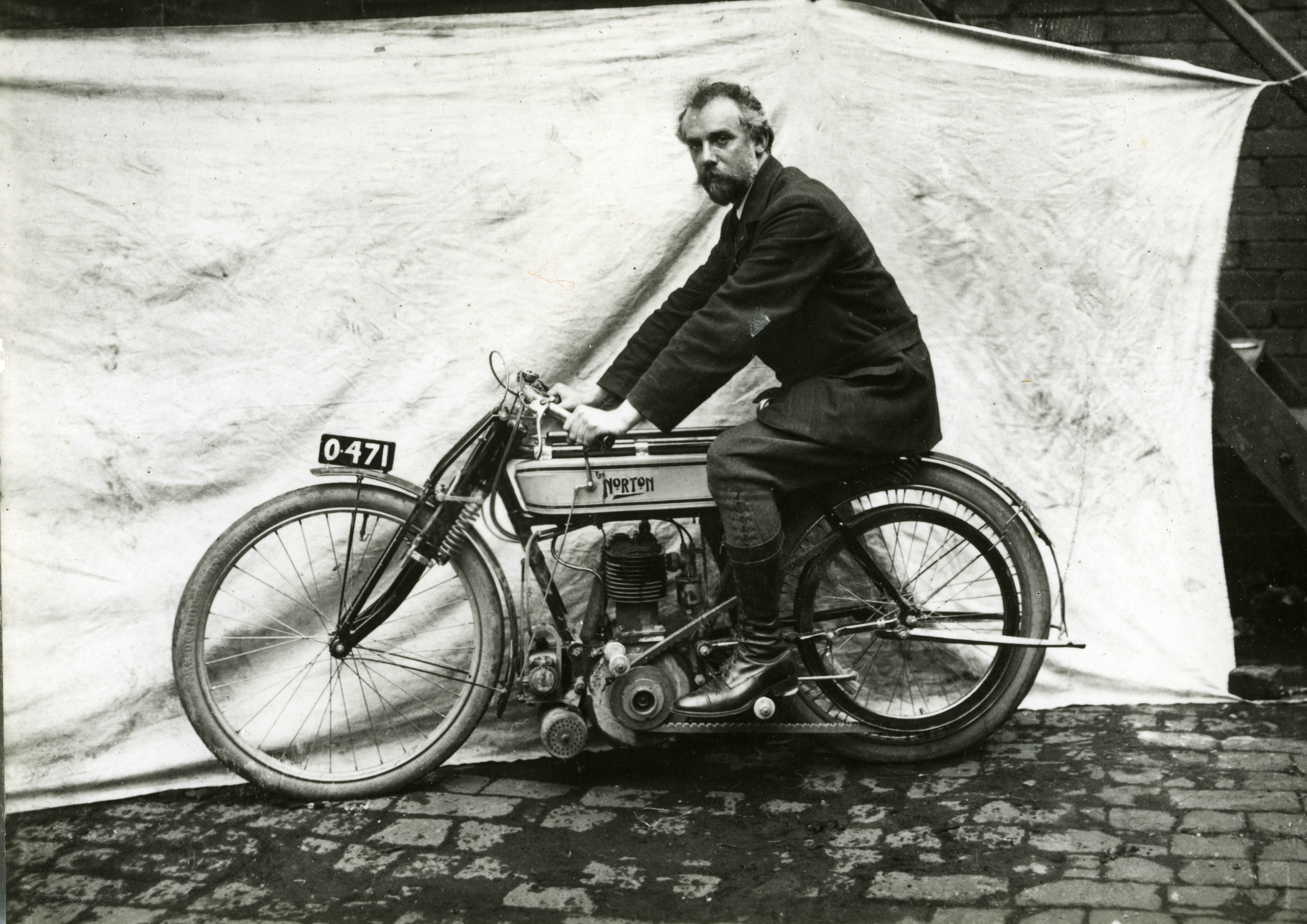
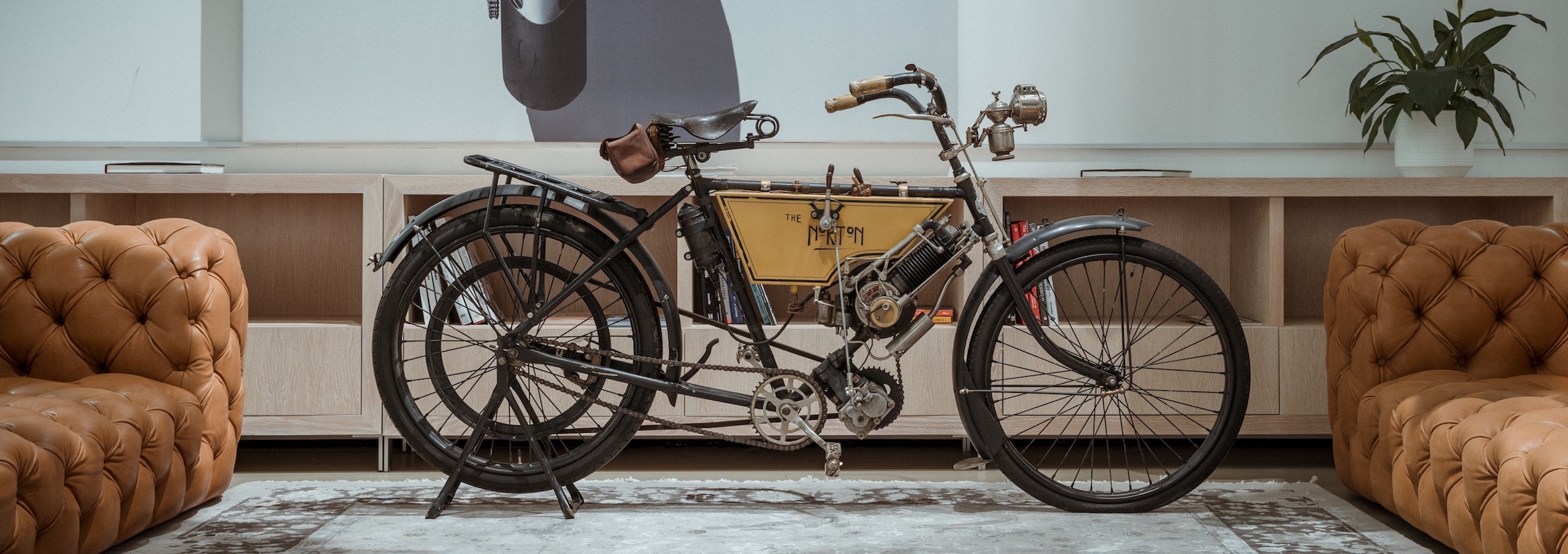
Garrard therefore commissioned Norton to build strengthened pedal-cycle frames to carry them. These motorised bicycles weighing just 75lb/34kg were sold under the Clément-Garrard label, and could cruise at 20mph, well above the universal 12mph speed limit of the day as measured – and enforced – by police stop-watches. But in 1902, Norton produced his own 147cc Energette motorcycle, also equipped with a Clément engine, and featuring a two-speed gearbox and a choice of belt or chain transmission, but using a longer wheelbase frame for improved ride quality over the prevailing rough road surfaces. This became a trademark of early Nortons and earned them the nickname of ‘ferrets’ within the wider motorcycle community. In 1903, Norton began building more substantial motorcycles under his own name, powered by French Peugeot and Swiss Moto Rêve engines, several of them V-twins. As motorised bicycles duly morphed into purpose-built motorcycles following the raising of the speed limit to 20mph in 1904, Garrard’s business slowed, leading Norton to concentrate on his own marque, rather than building components for others. By 1906, the Norton Manufacturing Co. was offering a seven-model range produced at its Bradford Street works at Digbeth, central Birmingham.
Born in January 1869 to a devout, well-to-do, Birmingham family, Norton’s life encompassed Christianity, ill-health and mechanical engineering. The son of a cabinet maker, young James built a stationary working steam engine from scratch at the age of 12, which he would fire up outside his parents’ house to proudly display to passers-by. On leaving school at age 14, he became an apprentice toolmaker in Birmingham’s Jewellery Quarter, but five years later contracted rheumatic fever so severely that in 1888, by way of convalescence, his parents sent him on a return sea voyage to New York on a Cunard transatlantic liner. As a short-term means of recuperation, it worked, but Norton was to suffer from continual health issues throughout his life. This led to his prematurely aged, white-haired appearance, which earnt him the nickname of ‘Pa’. Norton later joined his local Salvation Army Citadel, where he met his future wife, Sarah, whom he married there in 1898 – the same year he founded his eponymous company to earn a living from his growing passion for two-wheeled transportation. The Norton Manufacturing Co. originally made frames and chains for local bicycle makers and, eventually, complete bicycles. One Norton customer was wealthy local businessman Charles Garrard, who became the UK importer for the French engine manufacturer, Clément. It produced small-capacity 160cc four-stroke motors, and in weighing just 21lb/9.5kg these were suitable for attaching to bicycles.
THE ROAD TO COMPETITION
As an ardent rider himself, James Norton quickly recognised the commercial and engineering value of competition success. Local hill climbs, particularly those held at Rose Hill in Rednal, ten miles south-west of the Norton factory, provided the ideal testing ground. Norton and his customers regularly entered these events, measuring their machines against those of the rapidly growing motorcycle industry centred on Birmingham and Coventry. Racing on closed public roads Continental-style was forbidden by Parliament, but local police turned a blind eye to such displays of the crucial, much valued hill-climbing ability of these mainly single-speed clutchless devices. For in those days, before the Brooklands Motor Circuit opened in 1907, the only means of racing motorcycles in Great Britain was at hill-climbs such as these, or around oval-shaped cycle tracks. So, Pa Norton’s decision to contest the inaugural Tourist Trophy (TT) race held in the Isle of Man in May 1907 signified the official road racing debut of the Norton marque.
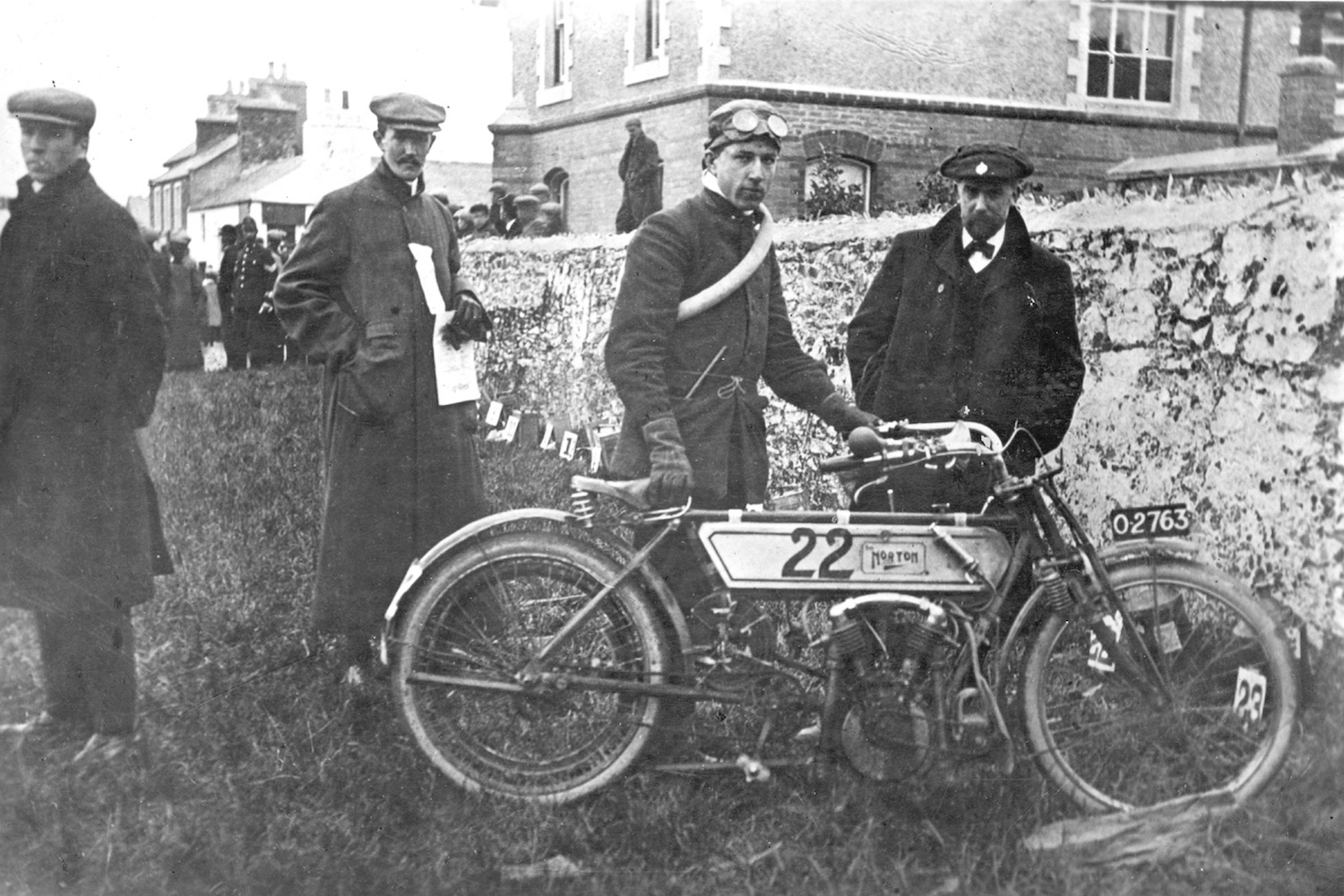
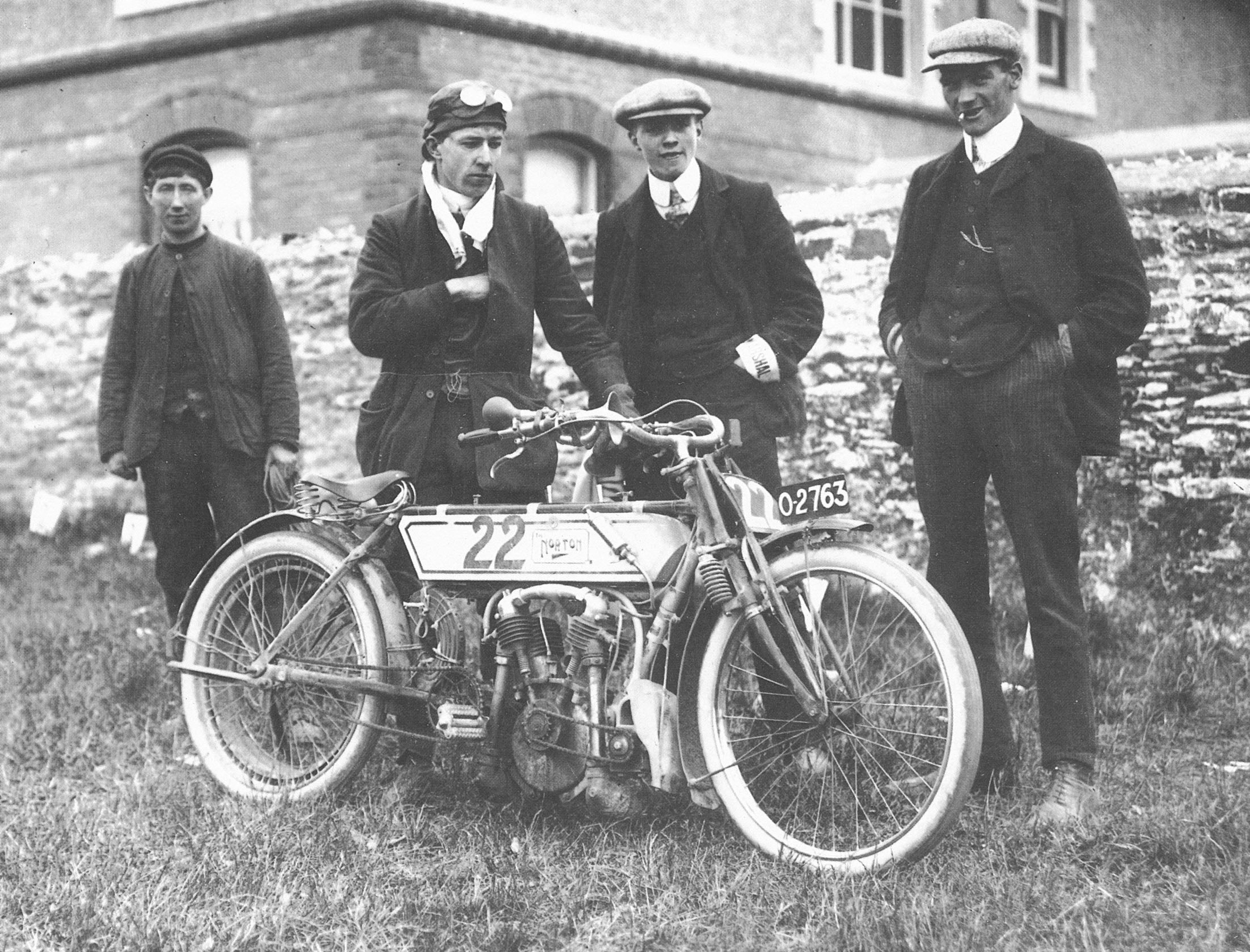
Thus, in January 1907 James Norton offered a TT ride on a solitary 672cc Peugeot-engined Norton V-twin to Rembrandt H. ‘Rem’ Fowler, who’d come to the fore riding Rex motorcycles for the large Coventry-based manufacturer. He’d be accompanied by Pa Norton as his pit attendant, who invented the modern-day pit signal by waving a board at Fowler as he started each new lap with the word ‘OIL’ on it, to remind him to pump lubricant from the oil tank to the dry sump engine.
Fowler’s victory in the Twin-Cylinder Class of the extremely gruelling first Isle of Man TT, held on the shorter 15.85-mile (25.5 km) St. Johns Course, aboard the only Norton in the race, opened the gateway to almost a century of sporting success for the British marque. Throughout this time, Norton’s consistent policy was to only race models that were derived, albeit often quite distantly, from its customer road bikes. The first motorcycles equipped with Norton-built engines, a side-valve single and a Peugeot-derived V-twin, went on sale to the public in 1908. These heralded Norton’s emergence as a fully-fledged manufacturer in its own right, no longer reliant on bought-in engines.
THE BIG FOUR AND THE CURLY N
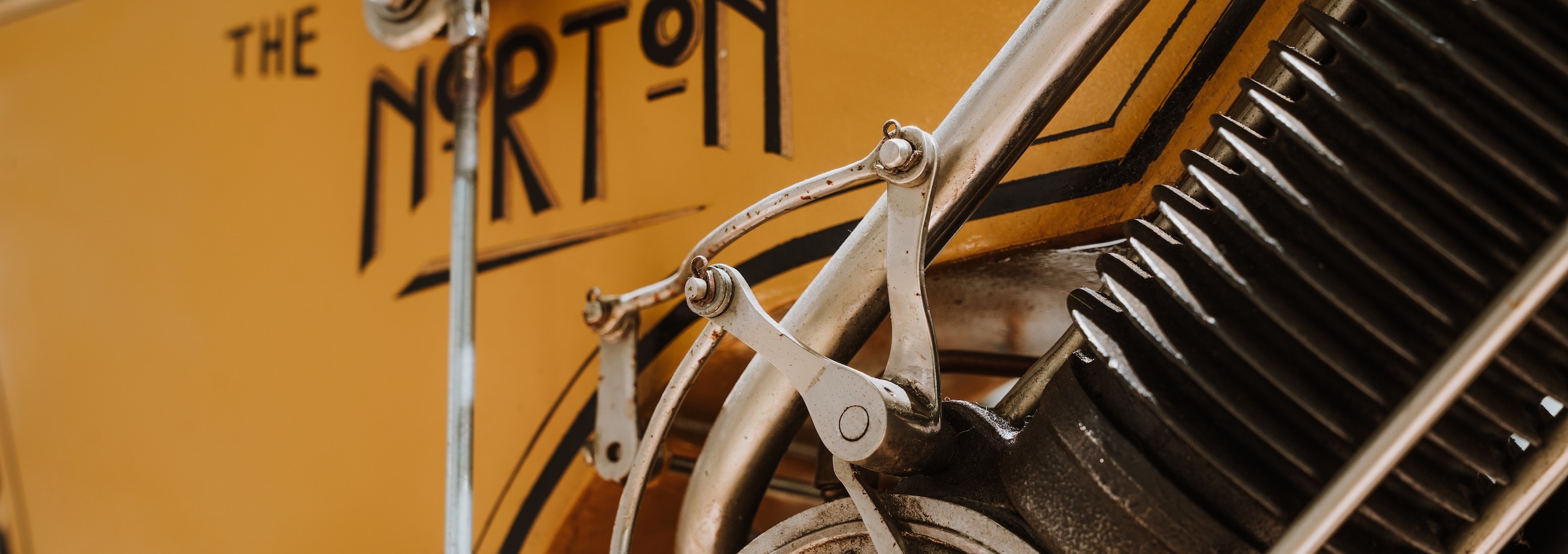
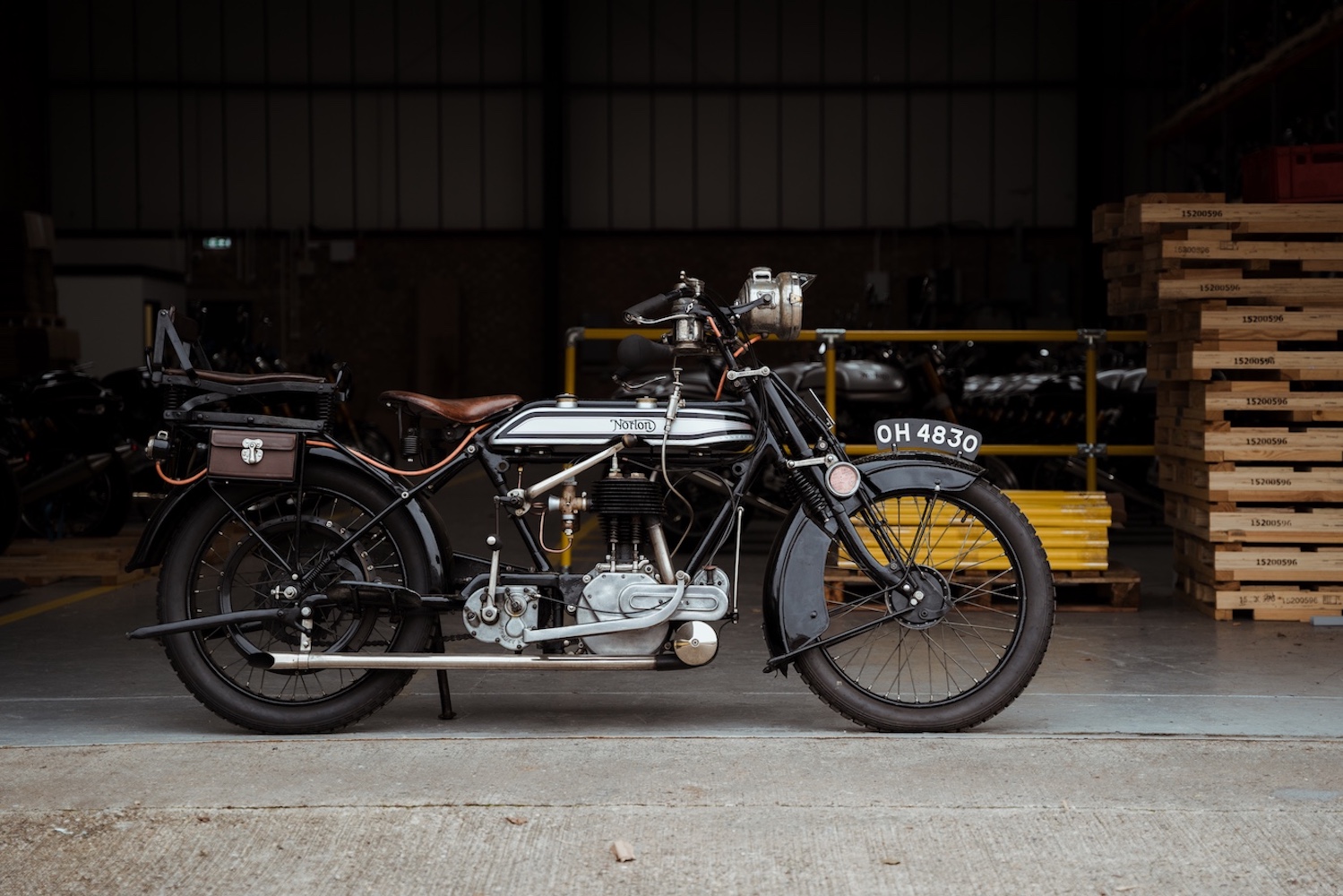
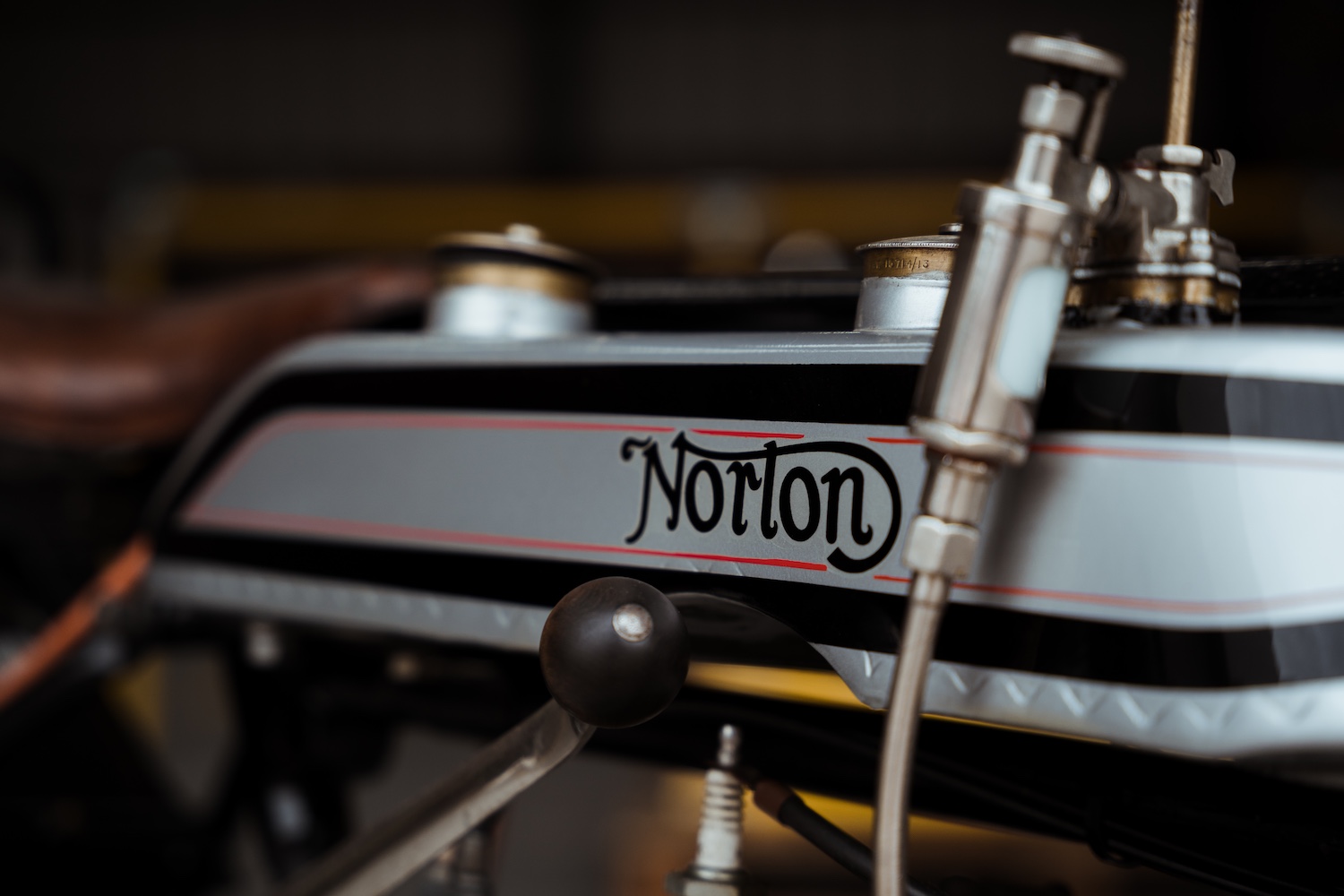
Especially significant was the launch in 1909 of a 633cc side-valve single of 82 x 120mm dimensions, the largest and most powerful engine in Norton’s model range, whose plentiful low-end torque made it ideal for use for sidecar use. This Model 1 was known as the Big Four thanks to being taxed in the 4hp fiscal bracket (four tax horsepower) and remained in production until 1955. From 1915 onwards, its fuel tank, like those of all Norton models until 2026, was adorned by the iconic Norton "curly N" logo, whose flowing script was designed by James Norton’s daughter Ethel, and became a globally recognised badge for the brand.
With the arrival in 1911 of the 79 x 100 mm, 490cc long-stroke side-valve single in the model later known as the 16H, Norton’s benchmark engine dimensions made their debut. These were retained on one model or another until 1963. The engine was inevitably developed on the racetrack, both at Brooklands and on the Isle of Man. At the age of 42, Pa Norton himself rode in the 1911 Senior TT, held for the first time on the full Mountain Course used today, but retired with a seized piston on lap two. However, demonstrating that Norton’s new design had shaken off its gremlins, works rider and Humberside Norton dealer Jack Emerson won the 150-mile Senior TT at Brooklands on his 490cc Norton in 1912, then rode it 230 miles home to Hull the following day.
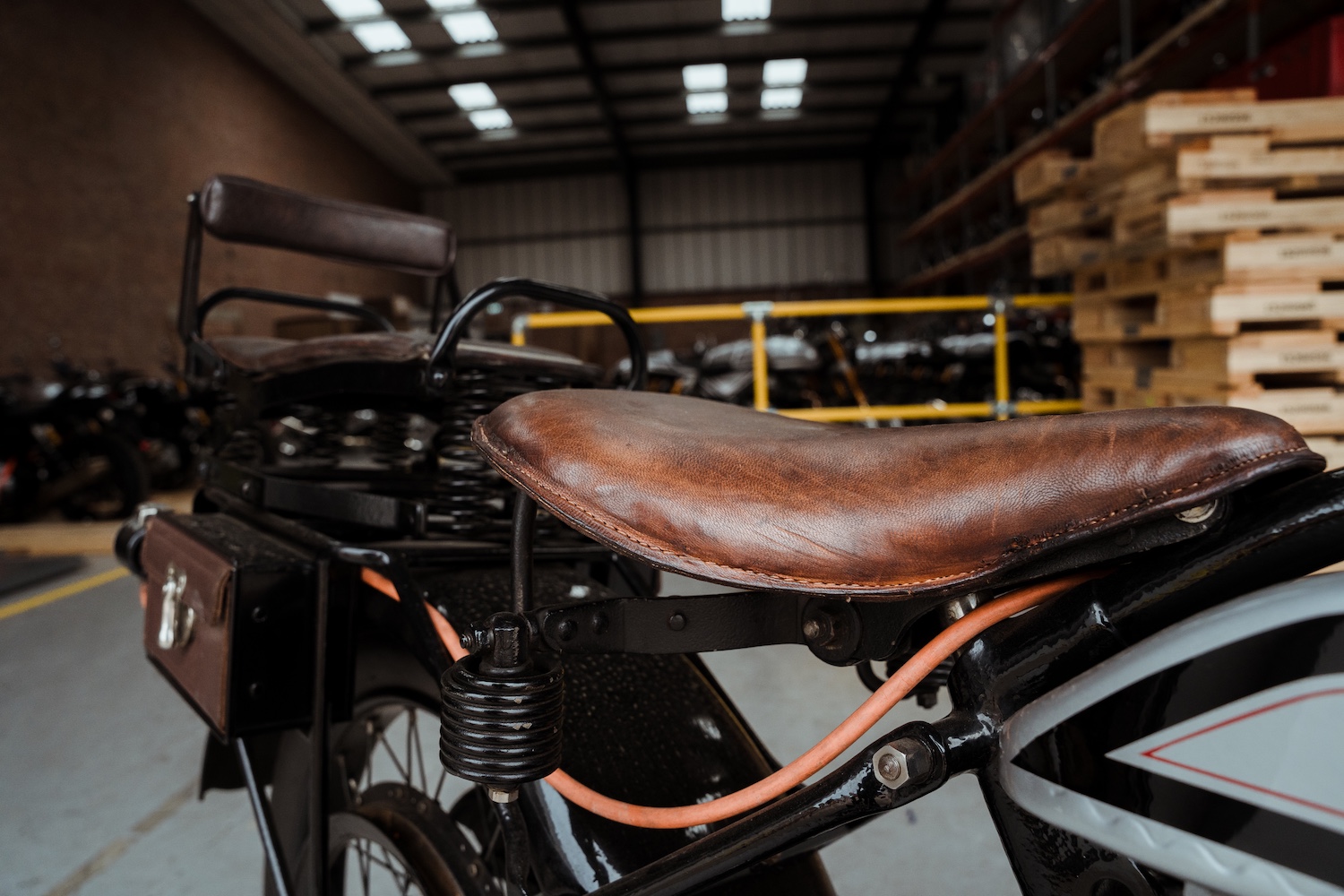
But despite the proven value of competition as a way of improving Norton’s products and demonstrating their worth, Pa Norton was too focused on racing and creating successive new designs to pay due attention to running his company, which duly went broke for the first time in 1912. Fortunately, it was purchased at a bankruptcy auction by wealthy local business mogul R.T. ‘Bob’ Shelley, a supplier of tools and components to Norton, and its chief creditor. He realised the importance of Pa Norton’s involvement with the firm, which he duly renamed Norton Motors, installing James Norton as Joint managing director, and bringing one of his young henchmen, Bill Mansell – already a keen Norton owner – in to run the company. It continued much as before, but along more business-like lines, with greater attention paid to Norton’s street range. Shelley provided the crucial financial stability and manufacturing resources needed to keep the company alive.
Indeed, in 1920 Norton moved to a new, more spacious factory in Bracebridge Street, backing right onto Bob Shelley's main Birmingham plant, and the company flourished throughout the Roaring Twenties. Sadly, James Norton was not there to see out the decade following his death in 1925, although he did live to see his motorcycles win the Senior and Sidecar TTs in 1924 with the 500cc Model 18, Norton’s first OHV single. Moreover, Bob Shelley's brother-in-law was Brooklands tuner Dan O'Donovan, who set a significant number of World records on his 490cc Nortons before war broke out in 1914, and again after it ended in 1918. Furthermore, Bill Mansell was a useful trials rider whose son Dennis was to become Britain’s leading sidecar trials exponent, proving almost unbeatable on his Norton outfits for two decades.
Its 1927 500cc CS1 overhead camshaft racer, designed by Walter Moore, was Norton's first OHC-engined model. It exemplified the company’s focus on quality engineering, to the extent that this relatively small manufacturer was simultaneously offering three different types of valve gear across its various models. But Moore was hired by NSU in 1930, after which his successor, Arthur Carroll, designed an entirely new OHC engine destined to become the basis for all later OHC and DOHC Norton racing singles, while the CS1 became an upmarket TT replica road bike. Moore's move to Germany prompted his former staff to quip that NSU stood for "Norton Spares, Used".
SMALL IN SCALE, GREAT IN COMPETITION
So, from its earliest days, Norton’s engineering identity had been shaped by experimentation and performance. Yet it was never a large manufacturer, at no stage producing more than 4,000 customer street bikes a year in its mid-1930s heyday. It sold 3,997 bikes in 1936, for example. Instead, Norton relied on technical excellence, enthusiasm, sporting ambition and the support of fuel companies like Castrol and Shell to dominate Grand Prix racing for half a century. This activity was only barely fuelled by the commercial income from its customer street bikes, most of which had a sporting flair.
Racing success duly ensued. Alec Bennett, riding the CS1 in its very first race, won the 1927 Senior TT, and between 1931 and 1939, Norton riders won seven out of nine Isle of Man 500cc Senior TT races, cementing the marque’s reputation for speed coupled with reliability, as well as scoring copious Grand Prix victories all over Europe. Norton perpetually raced on a shoestring, yet its works riders, including Bennett, Jimmy Simpson, Stanley Woods, Harold Daniell and Jimmy Guthrie, became household names during the 1930s.
Norton riders won no less than 78 of the 92 Grand Prix races they contested between 1930 and 1937, and 10 European Championships, initially employing SOHC single-cylinder motors which Norton led the world in developing, before the factory racers went to DOHC in 1938. But the advent of supercharged multi-cylinder machines from Germany and Italy, together with Britain’s V4 AJS, briefly rendered the Norton singles uncompetitive before the Second World War. After the war, however, Norton would return to competition and quickly rediscover its winning form.
By the outbreak of the Second World War, Norton had already established the foundations of its reputation: innovation, racing success and engineering excellence. The challenges of wartime production would test the company on an entirely different scale, but would leave it stronger, larger and ready for a golden post-war era.
PART TWO: THE INNOVATORS THAT DEFINED THE MODERN NORTON (1945-1978)
Norton's post-war success was driven by a remarkable cast of engineers, racers and visionaries. From the McCandless brothers and Joe Craig to Geoff Duke, Dr. Stefan Bauer, Dennis Poore and Peter Williams, this was the era that produced many of the motorcycles and technical breakthroughs for which Norton remains best known today. After being overlooked as a supplier of Military motorcycles during the First World War on the grounds it was too small a company to make a meaningful contribution, Norton supplied 89,061 machines to the British Army between 1936 and 1945, when production of the 500cc side-valve WD16H single ceased. WD stood for War Department, and the WD16H comprised the vast majority of the Birmingham firm’s military production.
This figure also includes the 4,500 ‘Big 4’ sidecar outfits (with driven sidecar wheels) which Norton delivered during that period, but only entails motorcycles ordered by the British Army. Surviving Norton documents from the Second World War indicate that several thousand Model WD16Hs were also supplied to the RAF and Royal Navy, with the Royal Air Force ordering its bikes to be painted in the distinctive RAF blue-grey livery, while the Navy ordered theirs in RN battleship grey. So, the total number of Military motorcycles the Birmingham firm built for the British Armed Forces during the Second World War was most likely over 100,000 bikes in total, requiring an unprecedented increase in production which solidified Norton’s industrial scale and engineering resilience, and dwarfed the 47,144 machines produced by its keen Triumph rival.
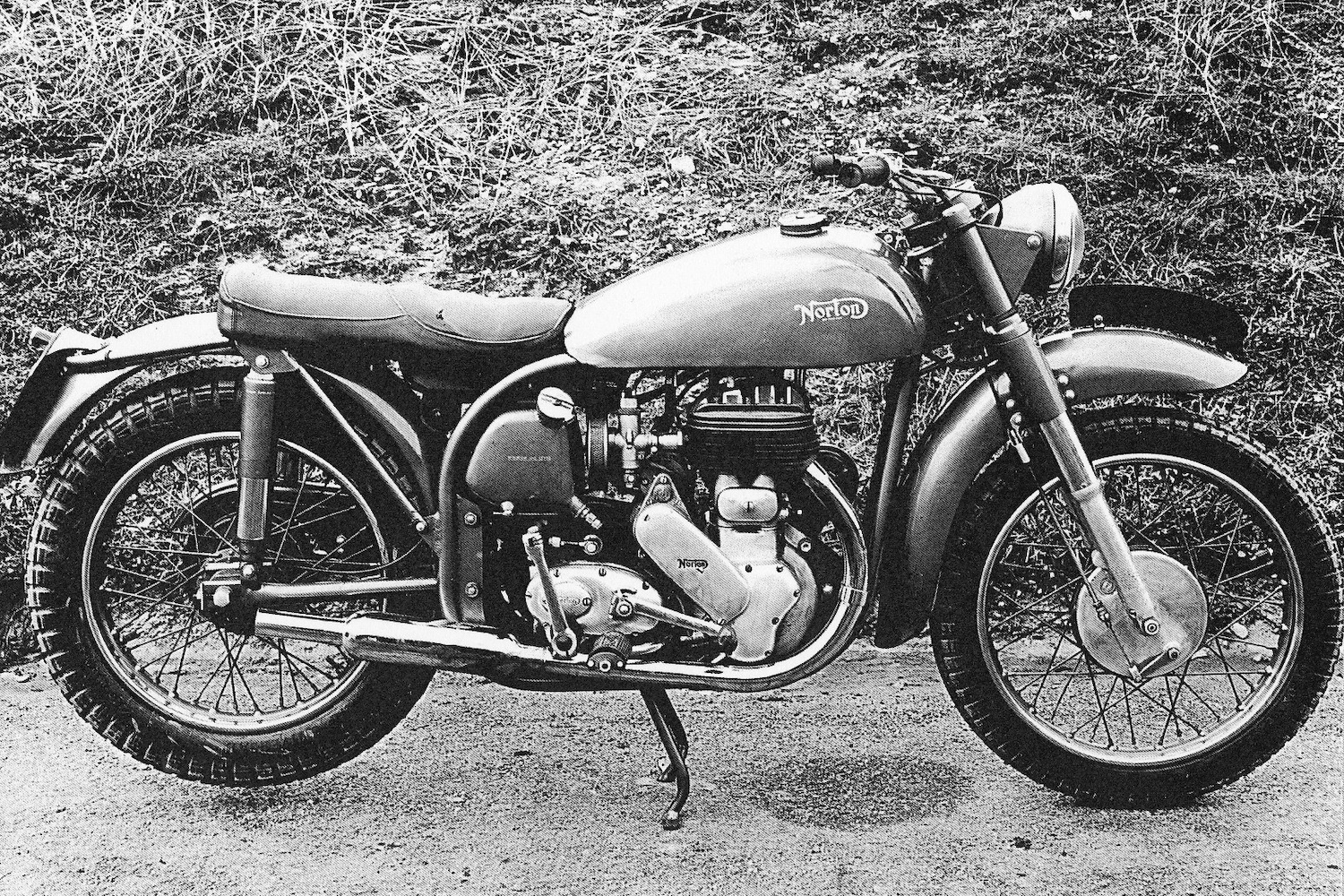
THE FEATHERBED ADVANTAGE
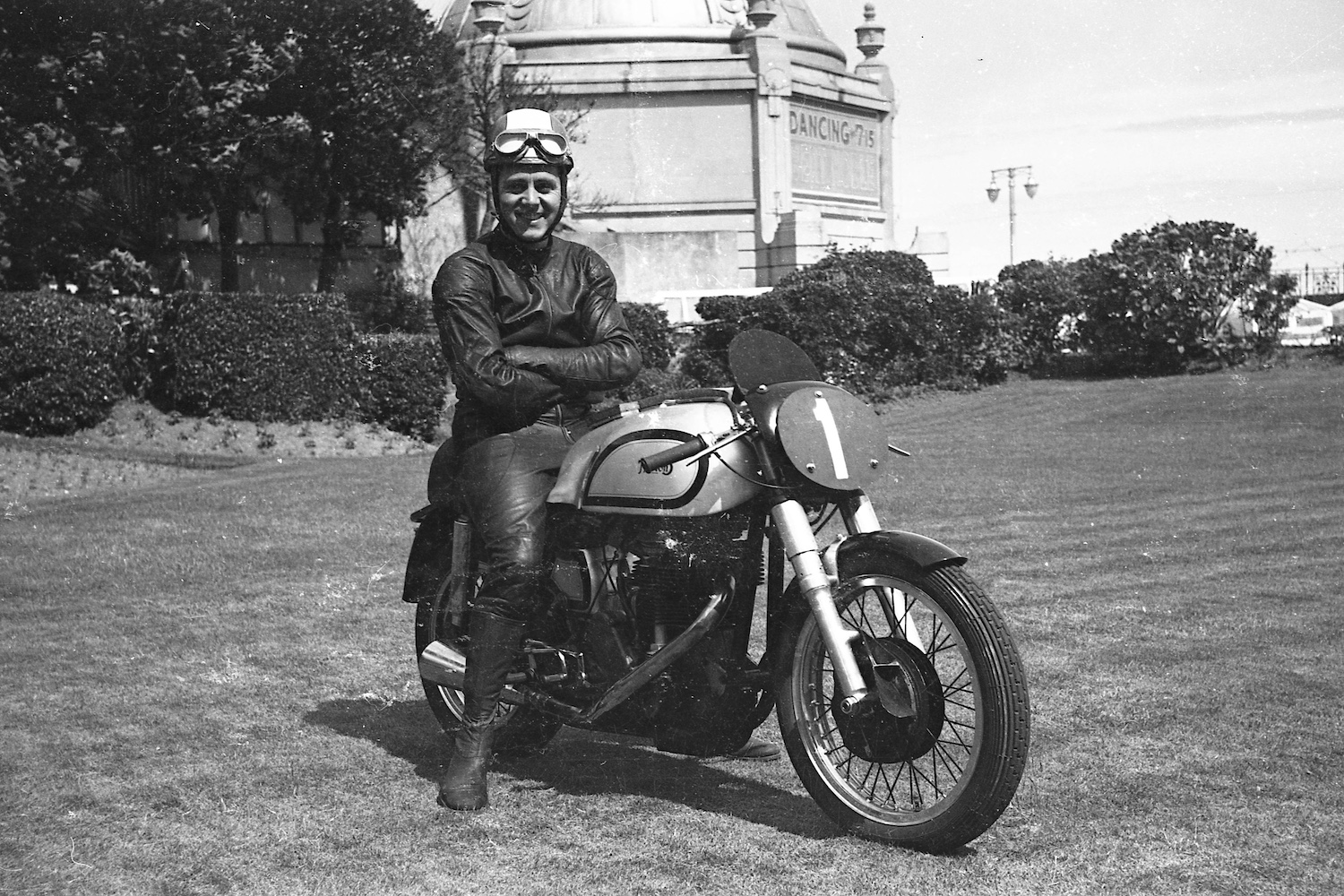
After the war, with Grand Prix racing’s ensuing ban on supercharged engines, Norton resumed where it had left off, winning seven 350 and 500cc Riders’ and Manufacturers’ World Championships, as well as countless races all over the world thanks to Geoff Duke and his teammates. Equally successful were the firm’s many customers who competed on the ‘double-knocker’ DOHC Manx Norton privateer bikes, based on the works prototype that Duke rode to victory first time out at Blandford in April 1950.
The company’s appetite for innovation saw it develop that motorcycle’s Featherbed chassis – a welded, twin-loop cradle frame designed by the Ulster-based McCandless brothers, Rex and Cromie, which was light, strong and handled exceptionally. This transformed the Manx, which had previously been raced with a 1940s frame using plunger rear suspension of dubious efficacy on tarmac, into an Isle of Man TT and World title winner during the 1950s.
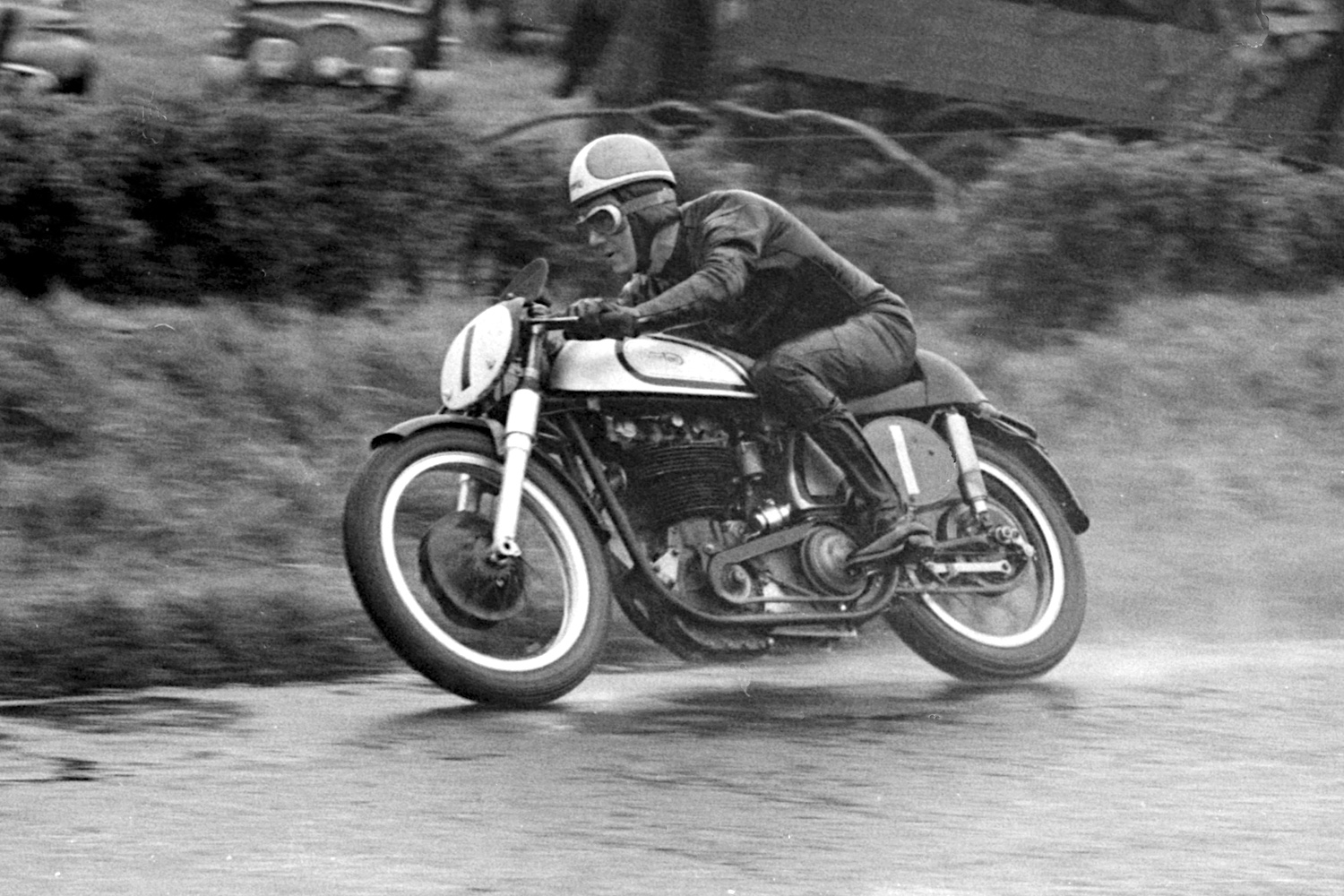
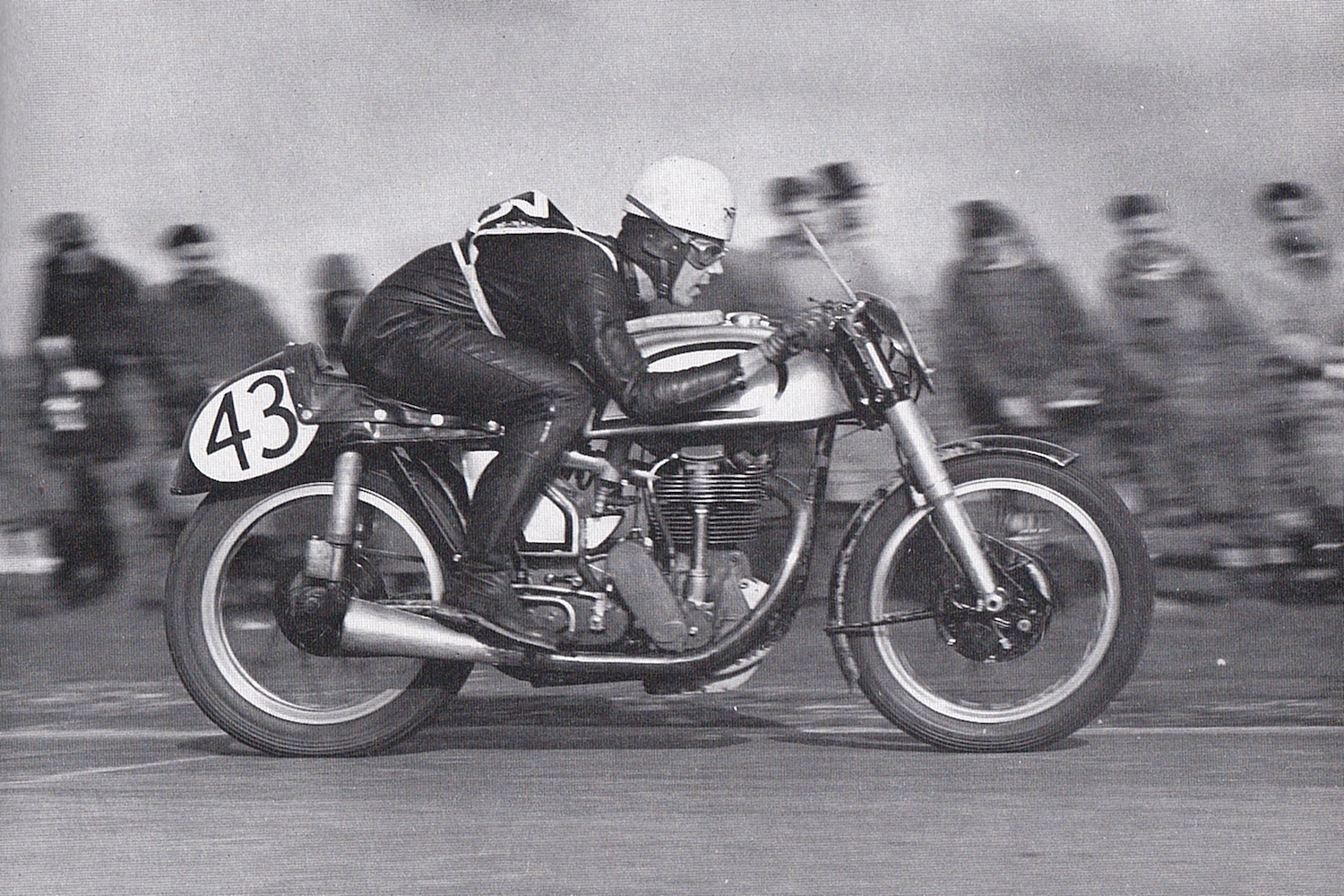
However, in the USA, the 500cc DOHC Manx singles with their so-called ‘Garden Gate’ plunger frames were responsible for Norton’s four-year domination of the Daytona 200 between 1949 and 1952. Norton’s ace tuner, Francis Beart, sent his riders out on them to defeat the rigid-framed, bigger-engined 750cc side-valve Indian and Harley-Davidson V-twins on Daytona’s part-sand, part-pavement Beach Course – a dominance which was overturned via a 1953 AMA rule change which simply banned overhead-cam engines.
As part of his meticulous attention to detail, Beart designed a gravity-fed overhead fuelling rig with large-aperture funnels, which became the prototype for today’s endurance-racing dump cans. This drastically slashed refuelling times from minutes to mere seconds and was a key element in Norton’s quartet of Daytona 200-mile race victories.

Elsewhere though, under the direction of Norton’s demanding race boss Joe Craig, a strict martinet and canny protagonist who had himself raced for the Norton works team before becoming team manager in 1929, Duke and his teammates exploited the advantages of the McCandless-designed swinging-arm Norton Featherbed frame and its ‘Roadholder’ fork. The secure handling these delivered enabled Norton riders to defeat the more powerful Gilera and MV Agusta fours and BMW twins with their improbably swift, sweet-handling singles.
But, inevitably, the horsepower handicap eventually told, especially after Norton’s lead rider Geoff Duke decamped to Gilera in 1953 to earn a subsequent trio of World titles on their fleet fours, whose hitherto questionable handling Duke transformed via the application of Norton Featherbed frame technology to their design. Norton officially retired from Grand Prix racing in 1955, leaving its then-lead rider, John Surtees, to move to Italian rival MV Agusta and perform a similar transformation to the handling of its four-cylinder motorcycles to that which Duke had achieved with Gilera.
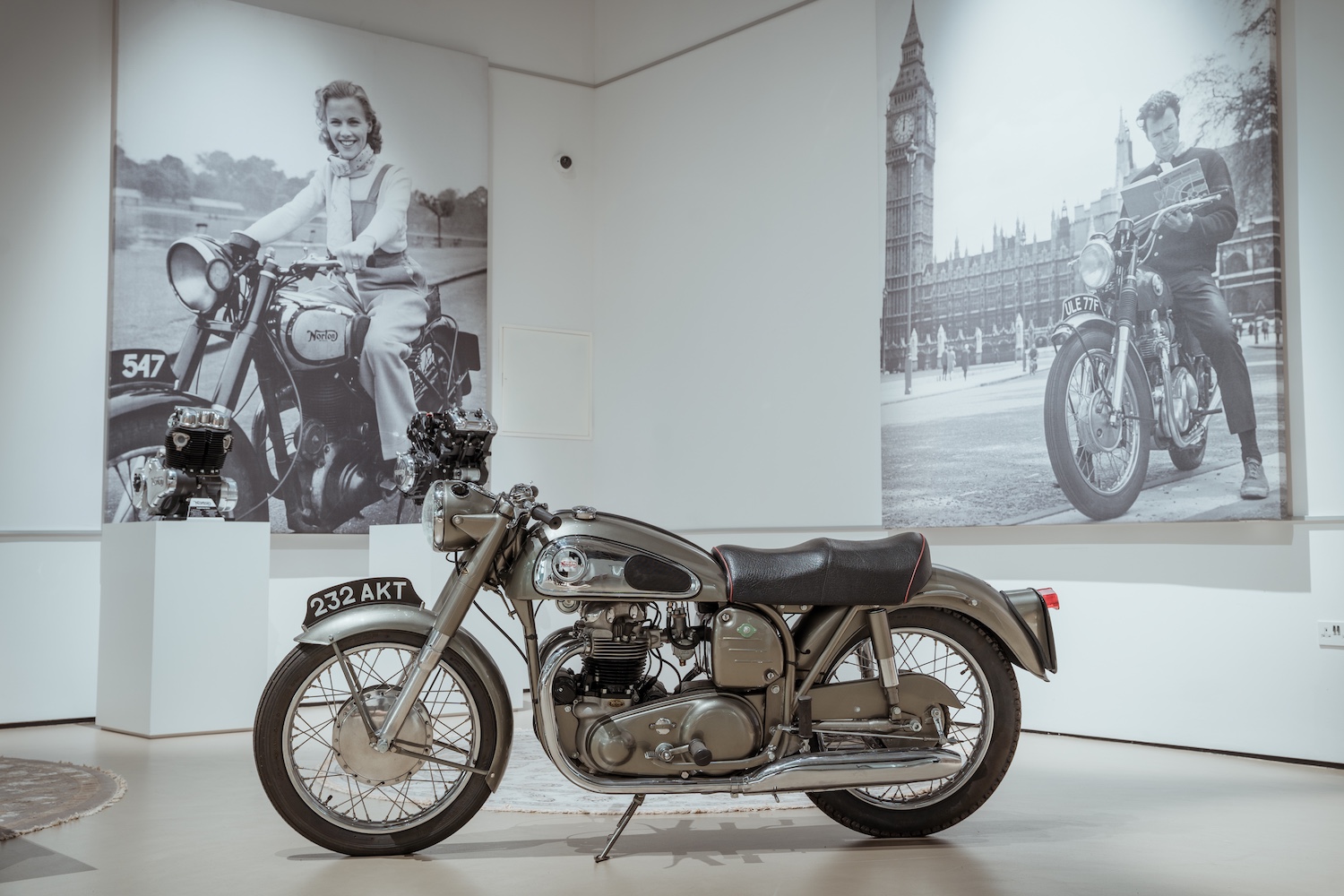
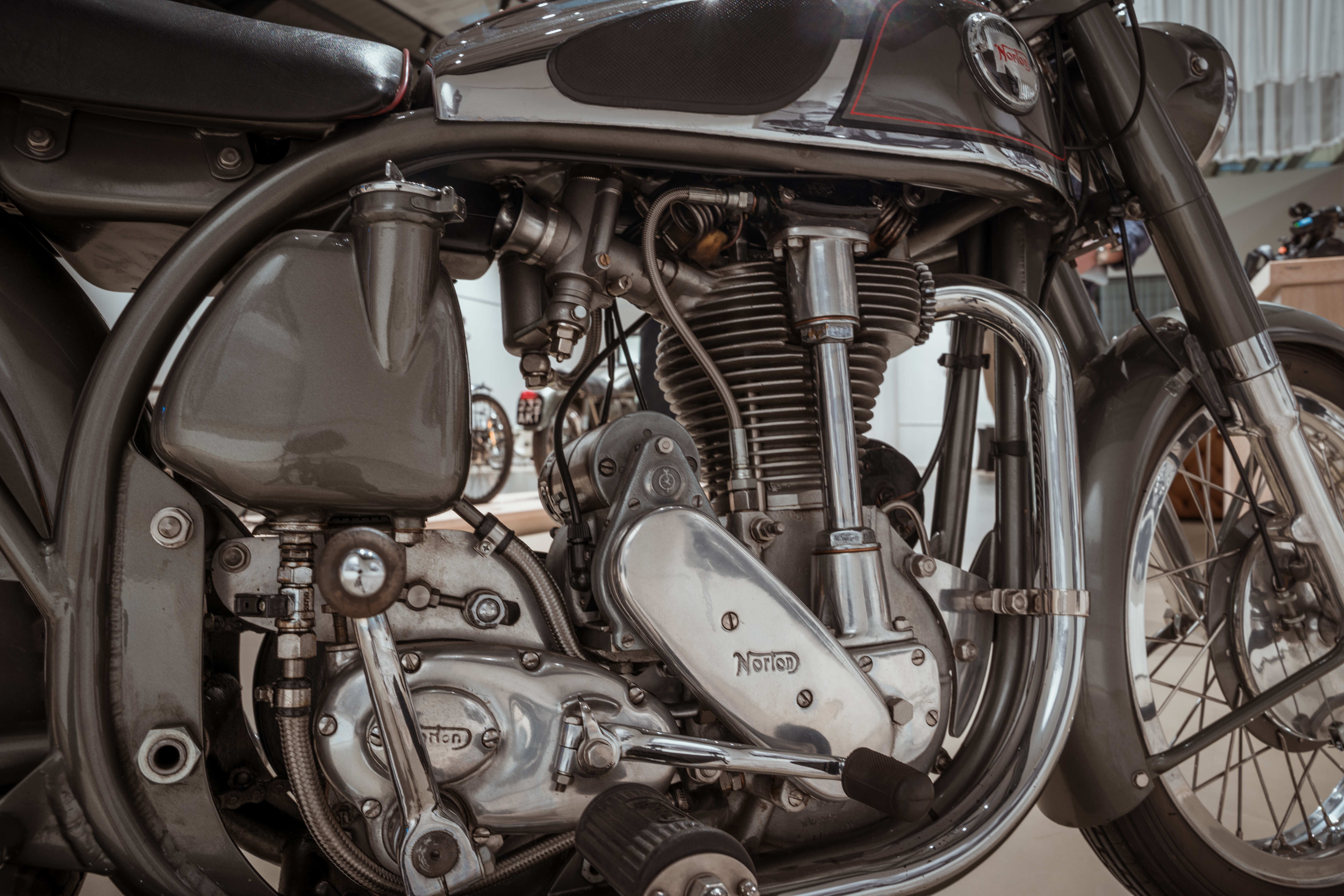
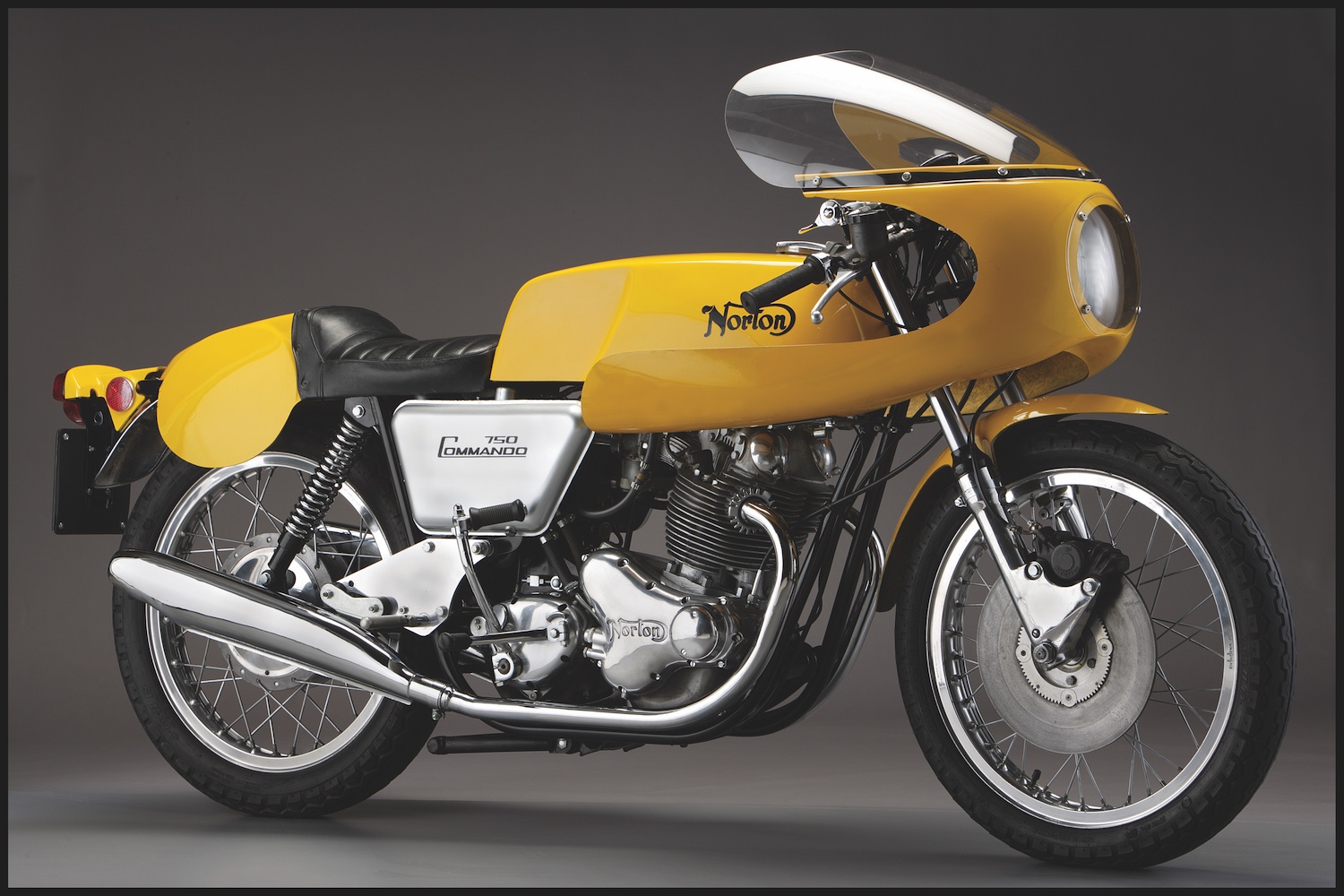
Originally developed by Norton’s then research and development chief, Doug Hele, to satisfy a growing demand for larger-displacement British twins in the American export market, the Atlas encompassed Norton’s usual exceptional handling delivered by its Featherbed frame, but the rigid-mounted engine suffered from intense high-speed vibration above 5,000 rpm. Therefore, at London’s Earls Court Show in 1967, Norton launched what is widely regarded as the fastest and most desirable Classic-era British street bike, its air-cooled, parallel-twin OHV Commando in 745cc Fastback guise.
THE BIRTH OF THE BRITISH SUPERBIKE
Nevertheless, in the hands of privateers all over the world, the Manx Norton continued to be the cornerstone of road racing grids up to and including Grand Prix level well into the 1970s – a fact illustrated by Godfrey Nash’s third place finish in the 1969 500cc World Championship table on his privateer Manx. By then, however, the increasing dominance of two-strokes in Grand Prix racing had been offset by the growth of production-based Formula 750 competition, in which the Norton factory team shone with a series of avant-garde designs housing the firm’s venerable 750cc pushrod twin engine. This traced its heritage back to the Bert Hopwood-designed 500cc Dominator parallel-twin road bike introduced in 1948, which had gradually been refined over the years as its capacity increased, first to 650cc and then to 750cc in the Norton Atlas introduced in 1962.
This featured a radical new spine frame design developed by former Rolls-Royce engineer Dr. Stefan Bauer, through which he attempted to contain the inherent vibration of a parallel-twin engine with a two-up, 360-degree crankshaft. This vibration had increased severely as the capacity of Norton’s twin-cylinder models grew larger.
The Commando’s chassis saw the pre-unit engine, separate gearbox and swingarm assembly installed in the frame via special Isolastic rubber mounts. The engine’s cylinders were inclined forwards, having been mounted vertically in previous Norton twins. This gave the motorcycle an attractive, rakish appearance, while moving the weight distribution forwards for improved handling and better front-tyre grip, and providing additional space behind the carburettors for the airbox.
Fuelled by victory in Production and F750 races in the Isle of Man TT and elsewhere, the proven dynamic qualities of the Commando ensured that Norton’s twin-cylinder range was relatively unaffected by the arrival of the four-cylinder era with the 1968 debut of the CB750 Honda. Instead, it was a combination of industrial restructuring and economic pressures as much as the overall impact of Japan’s onslaught on the British bike industry, which meant the Commando’s lifespan wouldn’t exceed a single short decade. In its ten years of production just under 50,000 Commandos were manufactured: approximately 28,000 750s and just over 20,000 examples of the 850 version, which was actually 828cc and was introduced in 1973.
A NEW INDUSTRIAL CHAPTER
In devoting itself more readily to the war effort than many of its British rivals, Norton’s manufacture of over 100,000 motorcycles for military use during the Second World War had left its production facilities worn out. In 1952, the firm was sold to the much larger Associated Motor Cycles group, which included Matchless and AJS. A decade later, AMC moved Norton production from its celebrated Bracebridge Street factory in Birmingham to the group’s Plumstead base in east London.
By then, however, AMC was struggling, too, with overall production down to 10,000 bikes a year by the mid-1960s. Of these, 80%, mostly Nortons, were shipped to the USA. In 1966, AMC collapsed and was acquired from the bankruptcy receivers by Manganese Bronze Holdings, a mini-conglomerate whose various interests included the manufacture of London black taxicabs, as well as the Wolverhampton-based engine manufacturer Villiers, whose two-stroke engines had been the backbone of Britain’s small-capacity motorcycle industry for the previous two decades.
Manganese Bronze’s dynamic chairman, Dennis Poore, a motorsport enthusiast and successful former racing driver, duly founded Norton Villiers Ltd (NVL) and invested heavily in the firm. He commissioned the Commando, and assembly of the 750 Fastback initially began with engines built at the Villiers factory in Wolverhampton and frames manufactured in Manchester, before final assembly at Plumstead. But in late 1968, AMC’s Plumstead works was compulsorily purchased by the Greater London Council for housing development, and the factory closed in July 1969.
.jpg)
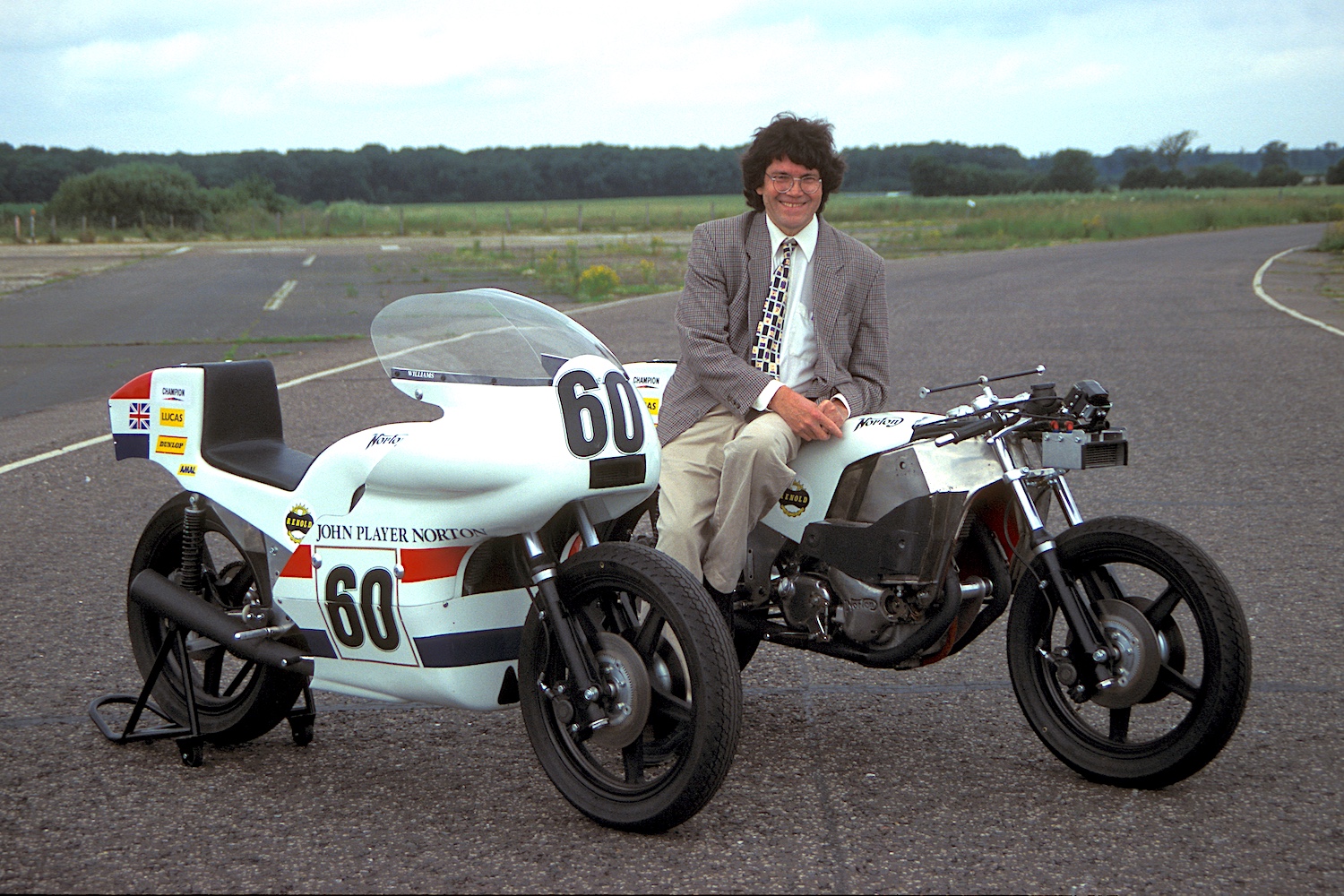
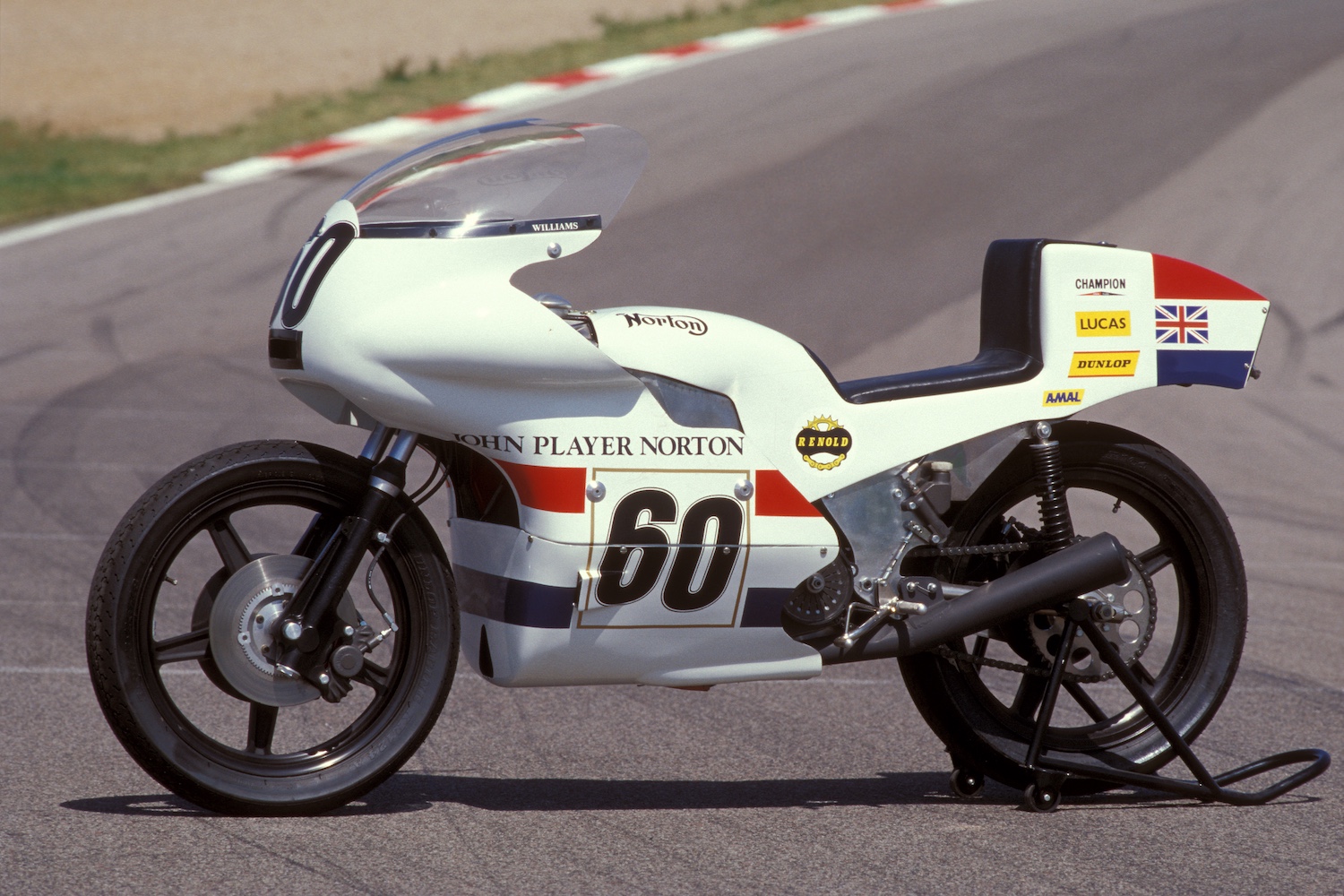
Over the next three years, the JPN team brought Norton back to the sharp end of international road racing via a succession of avant-garde motorcycles conceived by Peter Williams, and ridden by him to serial success. Most notable of these was the 1973 JPN Monocoque, which Williams took to victory in the 1973 Isle of Man Formula 750 TT. It used design principles drawn from Formula One to counter the limited performance of the air-cooled, OHV Norton parallel-twin engine by producing a lower, lighter, more aerodynamic motorcycle than those of Norton’s rivals.
Sadly, an accident at Oulton Park in August 1974, caused when the motorcycle’s bodywork became detached, caused Williams to lose the use of his right arm. It brought an end to the riding career of the man who was arguably the finest rider-engineer of all time, and to whom the Norton marque owes a considerable debt of gratitude.
The Norton assembly line was then moved to Andover in Hampshire, with the test department, and in due course, the Norton race department located at nearby Thruxton Airfield. Frame manufacture was switched to the Villiers Wolverhampton plant, where a second production line produced about 80 further complete machines each week, while complete engines and gearboxes were shipped overnight from Wolverhampton to the Andover assembly line. In practice, this arrangement did not work particularly smoothly, so Poore transferred the assembly and despatch of finished motorcycles entirely to Wolverhampton during 1970.
But as the final ingredient in a fascinating cocktail, Poore used his contacts in the motor racing world to persuade Britain’s Imperial Tobacco, which had introduced tobacco sponsorship to Formula One in 1968 with Gold Leaf Team Lotus, to sponsor the Norton race team in 1972 via its John Player cigarette brand, duly signing a three-year deal for the reputed sum of £20,000 (about £190,000 today). This was the first example anywhere in the world of a bike racing team fully supported by an outside sponsor. John Player Norton (JPN) had been born, a fact advertised in race paddocks by the team’s sumptuous 100-mph race transporter, based on an American Dodge V8 van, which also doubled as a mobile workshop.
FROM COMMANDO TO MONOCOQUE
With his motorsports background, Poore was keen on stepping up Norton’s racing activities, while always, however, using its customer bikes as a basis. To achieve this, Dennis Poore gave Norton development engineer Peter Williams a budget in 1971 to build a one-off, Open-class experimental racer using Norton’s production 745cc Commando engine.
Williams had long combined his engineering role with Grand Prix racing aboard the Arter-Matchless G50. In 1967, he finished fourth behind Agostini and Hailwood in the 500cc World Championship, having led the standings after the first three races. His experimental racer showed immediate promise, convincing Poore that Norton should enter the new Formula 750 class in 1972, where BSA/Triumph was already enjoying success with its Rob North-framed triples.
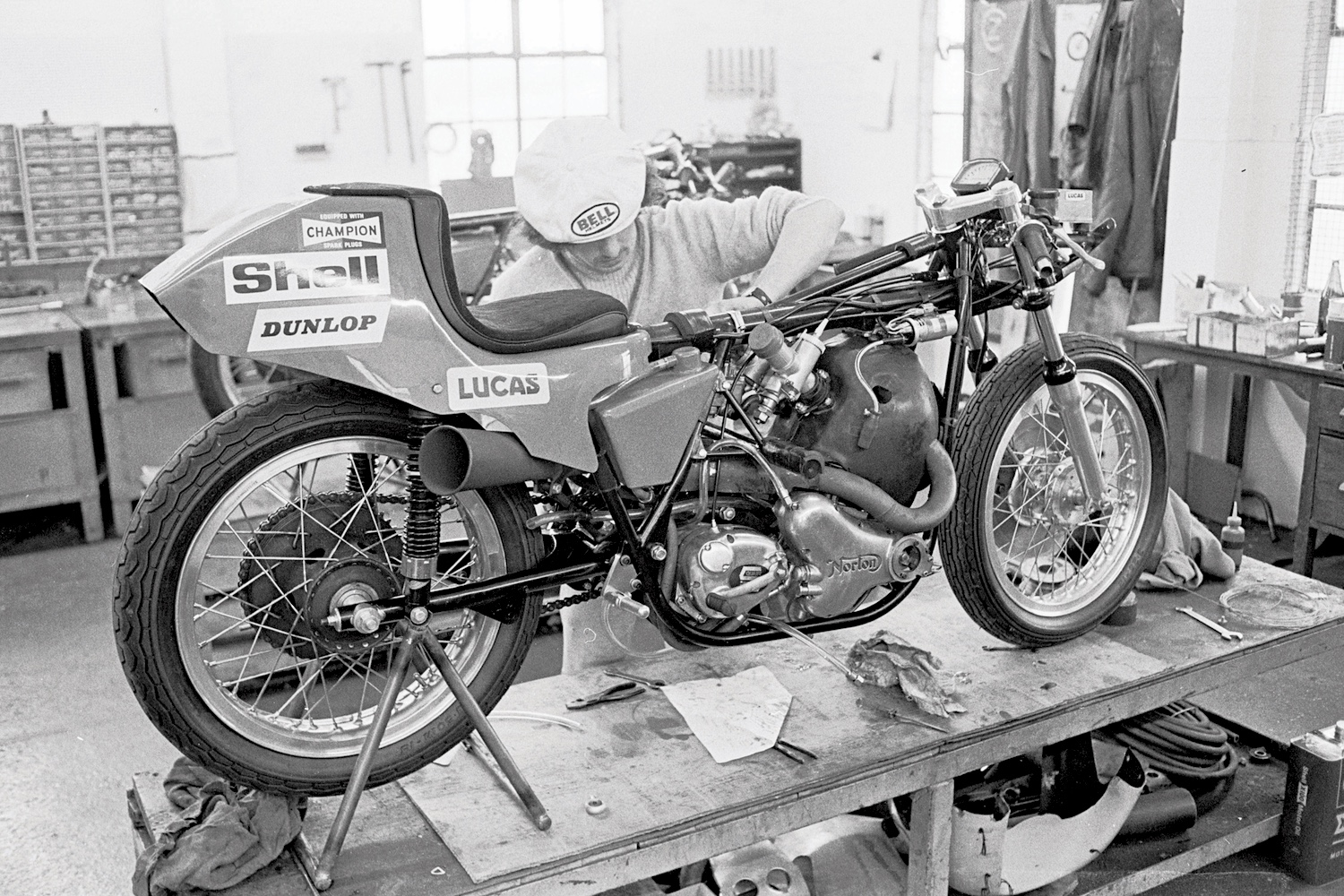
The Norton Villiers Performance Shop at Thruxton Circuit was therefore given over entirely to the development of the new Formula 750 racing motorcycles designed by Peter Williams. Former Suzuki factory Grand Prix rider Frank Perris was appointed team manager, while reigning 250cc Grand Prix World Champion Phil Read was recruited to ride alongside Williams in 1972.
FROM NORTON VILLIERS TO NVT
With various spinoff versions of the Commando base model all selling profitably, Norton production grew to more than 12,000 bikes a year. Half werE exported to the USA and all found customers, in contrast to the declining fortunes of the far larger BSA/Triumph group, which collapsed at the end of 1972. Ironically, NVL then became a victim of its own success, with Dennis Poore persuaded by the British Government, through a £4.8 million subsidy, to merge the two companies in 1973 to form Norton Villiers Triumph (NVT).
One of his first decisions was to close Triumph’s outmoded Meriden factory and concentrate production in BSA’s more modern Small Heath plant. However, the Triumph workforce occupied the Meriden site and staged a nine-month sit-in. The dispute ended when the British Government supported the creation of the Meriden Cooperative. The new organisation was granted the right to continue producing the 750cc Triumph T140 Bonneville, together with £5 million in government funding. For a short period, these motorcycles were marketed by NVT, despite competing directly with the company’s Commando models.
Despite the financial challenges facing NVT, the company still managed to produce several thousand Mk IIa Roadster and Interstate Commandos at its Wolverhampton factory during 1974. These included 230 twin-headlight, fully faired, Roadster-based street models in JPN livery, half of which were 850s, reflecting the success of the John Player Norton Formula 750 racers in defeating Japanese two-strokes with 40% more horsepower to win the 1973 Isle of Man TT and other important races.
THE END OF AN ERA
In July 1975, the British Government called in a £4 million loan and withdrew NVT’s Export Credit Guarantee. This significantly affected Norton’s ability to sell Commandos in the crucial American market, and Poore subsequently placed NVT into liquidation.
The company entered receivership and redundancies were announced across its various sites, with the Wolverhampton plant closing on 13 October 1975. Around 1,500 unfinished 850 Interstates remained at the factory, although these were eventually completed in 1977 by a specially rehired workforce of former employees. Norton Villiers Triumph Ltd was finally liquidated in 1978, bringing continued production of one of Britain’s most highly regarded classic-era road motorcycles to an end, despite continued global demand.
The collapse of Norton Villiers Triumph brought one of the marque's most celebrated periods to an end. Yet even as factories closed and ownership changed, the Norton name retained a powerful hold on enthusiasts around the world. What followed was not a story of decline, but one of reinvention, driven by talented engineers, ambitious leaders and unwavering enthusiasts who refused to let one of motorcycling's most iconic names fade into history.

PART 3: REVIVAL, REINVENTION AND THE ROAD TO TODAY'S NORTON (1978-PRESENT)
Throughout its history, Norton has been defined by the people behind the machines. Post Norton Villiers Triumph (NVT) engineers, racers, entrepreneurs and dedicated enthusiasts continued to champion the marque, united by a belief in Norton's unique blend of innovation, performance and engineering excellence. Their efforts would produce race-winning machines, ambitious new technologies and, ultimately, the foundations of the Norton we know today.
One of the first and most influential figures to lead that next chapter was Dennis Poore. A successful racing driver, motorsport enthusiast and businessman, Poore had played a central role in the Norton Villiers era and was instrumental in the creation of the legendary Commando. Following the collapse of NVT, he remained convinced that Norton still had a future. He therefore personally bought the remains of the company from the receivers, and moved it into a new, much smaller factory at Shenstone, north of Birmingham.
There, Norton focused on developing the Wankel rotary engine for which BSA had previously bought a licence. The compact, lightweight rotary motor first powered a range of well-received air-cooled police bikes, followed by various civilian models culminating in the liquid-cooled Sport. These bikes gave Norton a distinctive technical direction at a time when many historic British marques had disappeared altogether. Just as importantly, it kept Norton engineering, manufacturing and competing under its own name.
That pioneering spirit attracted a new generation of supporters and investors. Among them was South African financier Philippe Le Roux, who acquired Norton following Poore's death in 1987. Under his ownership, he devoted considerable efforts to developing the small company into a serious bike manufacturer once more.
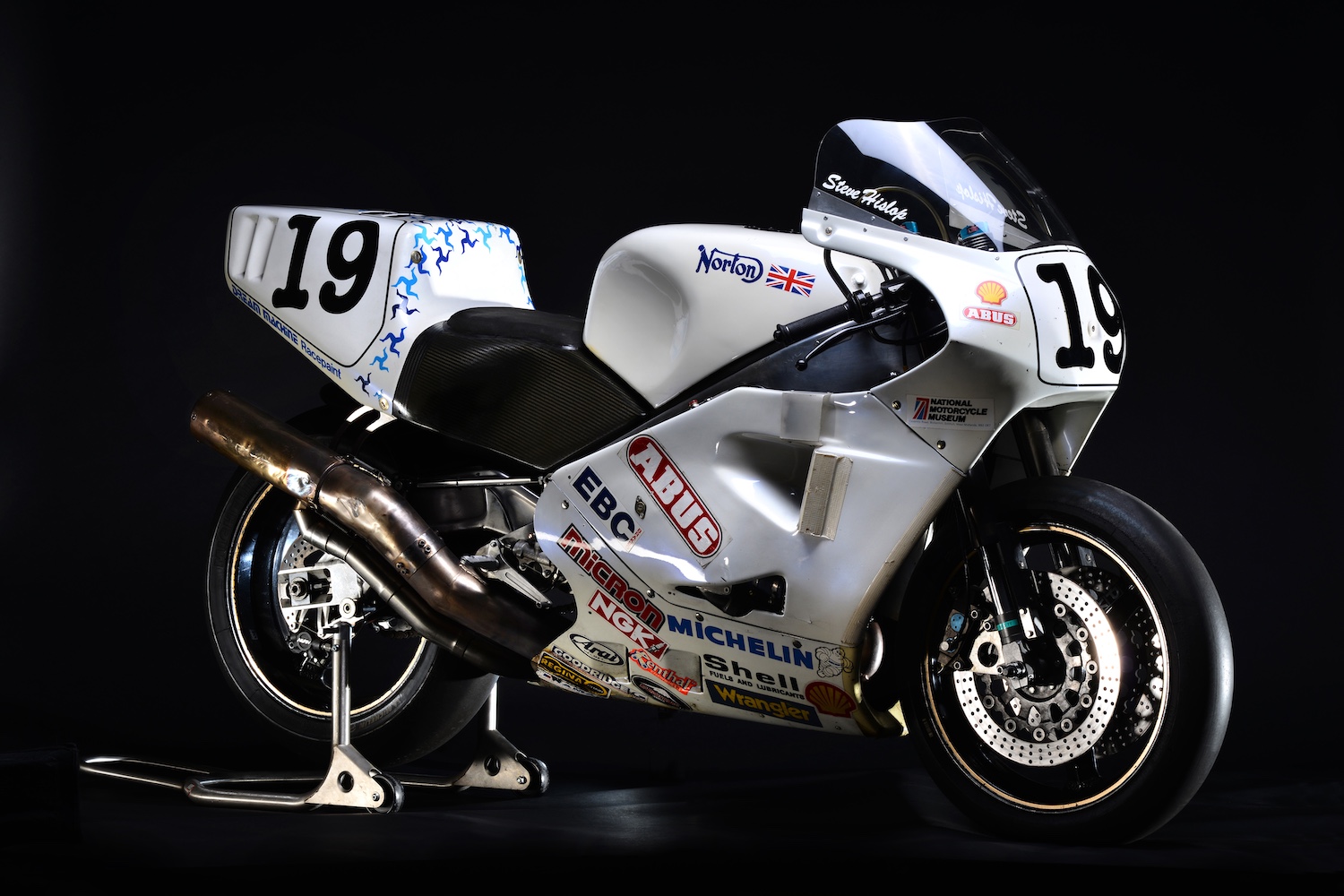
Alongside its road bike programme, Norton also returned to racing in emphatic style. Backed once again by John Player sponsorship, the all-black JPS Norton machines carried Steve Spray to the 1989 British Superbike (BSB) Championship, reaffirming the marque's ability to compete at the highest level. This achievement was later emulated by Ian Simpson in taking the 1994 British BSB title on the Duckhams Norton, while in 1992 Steve Hislop’s all-white ABUS Norton defeated Carl Fogarty’s Yamaha to win the Isle of Man Senior TT, the first victory there by a British bike for almost 30 years.
UNITING A GLOBAL ICON
However, Norton’s racing success and road-motorcycle development were undermined by growing financial and corporate difficulties. Following Norton’s reverse takeover of the Minty Group, the company entered another period of uncertainty. Control subsequently passed from Philippe Le Roux to David Macdonald, under whose year-long leadership Norton’s commercial activities declined further. By 1993, its principal remaining assets were the intellectual property rights associated with the Norton name.
Midland Bank subsequently sold these rights to Canadian entrepreneur Nelson Skalbania, who financed the acquisition with funding provided by fellow Vancouver businessman Roberto Aquilini. When Skalbania was unable to repay the debt, control of Norton passed to Aquilini Investments in 1997. Meanwhile, Norton’s German distributor, Joe Seifert, had registered the company’s trademark in the name of Norton Deutschland across much of continental Europe. He was also developing the BMW/Rotax-powered Norton International road single, helping to maintain the marque’s presence and demonstrate the trademark’s continued use.
In 1998, Aquilini formed a partnership with March Motors under the Norton International banner, supposedly to produce an improbable new range of Norton motorcycles proposed by British designer Al Melling. The planned range was headed by the 1500cc Nemesis V8 superbike, although the motorcycle did not progress to production or public road use. A proposed four-cylinder 750cc Norton Manx Superbike was also built as a prototype but was not developed further.
Plans subsequently shifted towards a large-capacity V-twin cruiser, which was to be produced under the Norton name by the Aquilini-linked Freedom Motorcycles. Meanwhile, however, prominent U.S Norton restoration guru Kenny Dreer’s Vintage Rebuilds company had begun selling re-manufactured VR880 Commandos from its Portland, Oregon. A September 1999 magazine feature about these motorcycles resulted in a trademark dispute with Aquilini.
Although an initial settlement was reached, Dreer and his financial backer, Oliver Curme, later began legal proceedings to acquire the worldwide rights to the Norton name. Curme, a Massachusetts financier and former Dreer customer, had invested in Vintage Rebuilds in 1998. Their ambition was to revive Norton with an all-new motorcycle rather than another extensively revised version of the original Commando.
After purchasing the European Norton rights from Joe Seifert in 2002, Dreer and Curme’s Norton Motorsports company secured the remaining rights to Norton’s validated trademarks in key global markets in February 2003, following an extended legal process with Aquilini. This brought the principal Norton rights under a single organisation for the first time in 20 years.
Castiglioni and Curme reached an agreement in principle in August 2006 under which the Norton name would pass to MV Agusta, bringing two historic Grand Prix rivals under the same ownership. Castiglioni planned to develop a new Italian-built range of Nortons representing a lower cost, greater volume, but still prestigious counterpart to MV Agusta – a Maserati to the Ferrari of motorcycles, whose annual production numbers would always be limited to MV’s present 7,000-unit ceiling.
The proposed Norton models were to be designed by Massimo Tamburini, who began preliminary work on a new-generation Commando, and would be powered by a fuel-injected DOHC eight-valve liquid-cooled parallel-twin engine to be built at MV’s Varese factory. This engine would be capable of delivering a range of different models in capacities varying from 750cc to 1200cc. However, the proposal did not ultimately receive the support of Gevi, and the acquisition did not proceed. So, no Tamburini Nortons
THE COMMANDO RETURNS
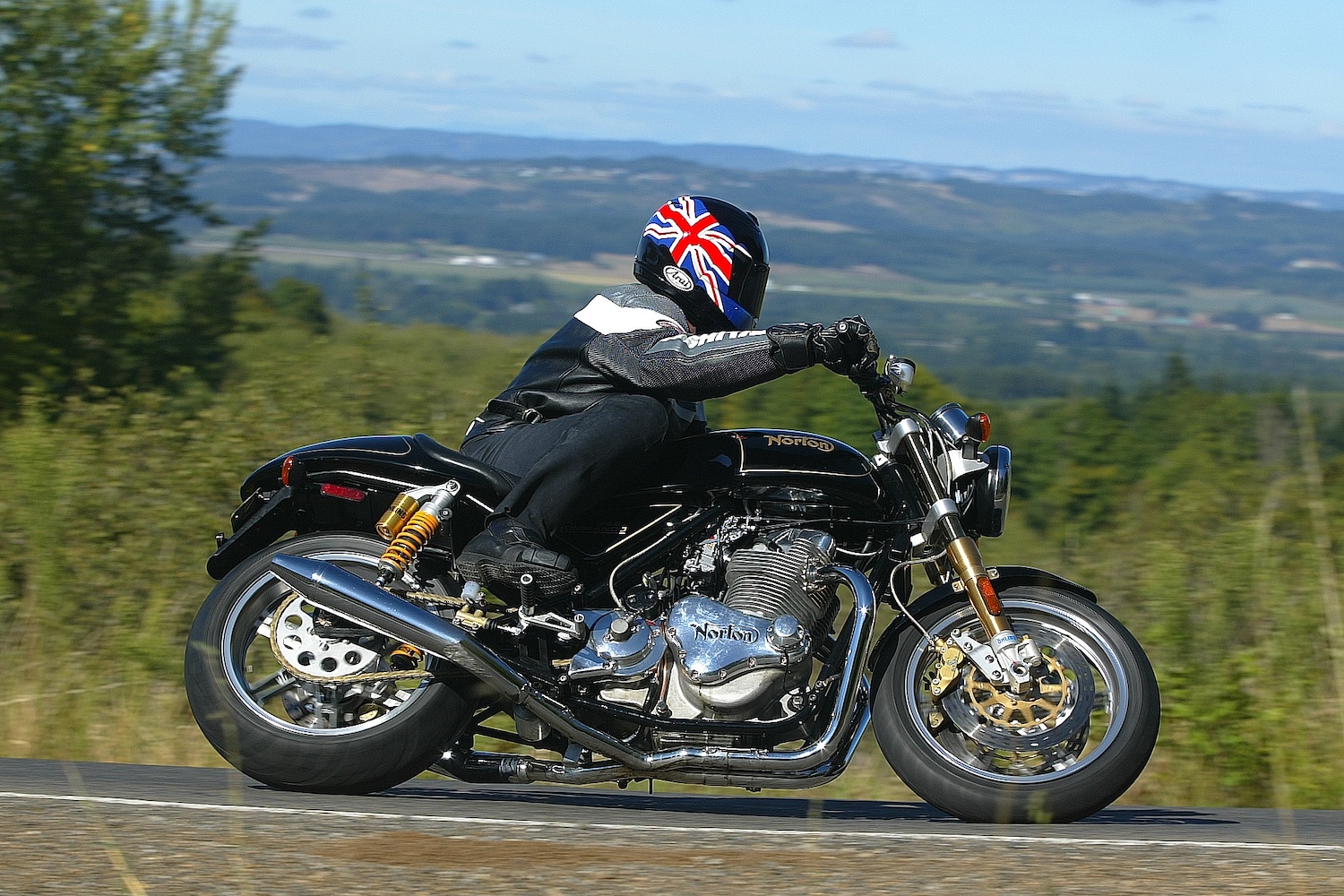
The cruiser proposed by Freedom Motorcycles was to be renamed the Viper, leaving new motorcycles bearing the Norton name to be developed and manufactured at Dreer’s base in Oregon. Dreer and his small but dedicated research and development team produced a prototype of an all-new 952cc Norton Commando. This was later enlarged to 961cc and featured a purpose-designed, air/oil-cooled, eight-valve engine with a 270-degree crankshaft instead of Norton’s traditional two-up, 360-degree configuration. The engine was installed in a cradle frame equipped with Brembo brakes and Öhlins suspension. However, the carburetted neo-classic motorcycle faced emissions and noise-compliance challenges and did not enter production.
Curme therefore began looking for a buyer capable of taking the project forward and in 2006 found one in the shape of MV Agusta president Claudio Castiglioni, who’d recently engineered the acquisition of a majority share in his company by Italian investment bank Gevi, from its previous owner, Malaysia’s Proton.
Having reconsolidated Norton’s worldwide trademarks, including the rights to the Commando, Atlas, Dominator, Manx, International, Commander, Fastback and Nemesis model names, Curme continued to seek an organisation capable of taking the marque and its new motorcycle project forward. In October 2008, he sold the Norton trademarks and Commando 961 road-motorcycle project to British entrepreneur Stuart Garner.
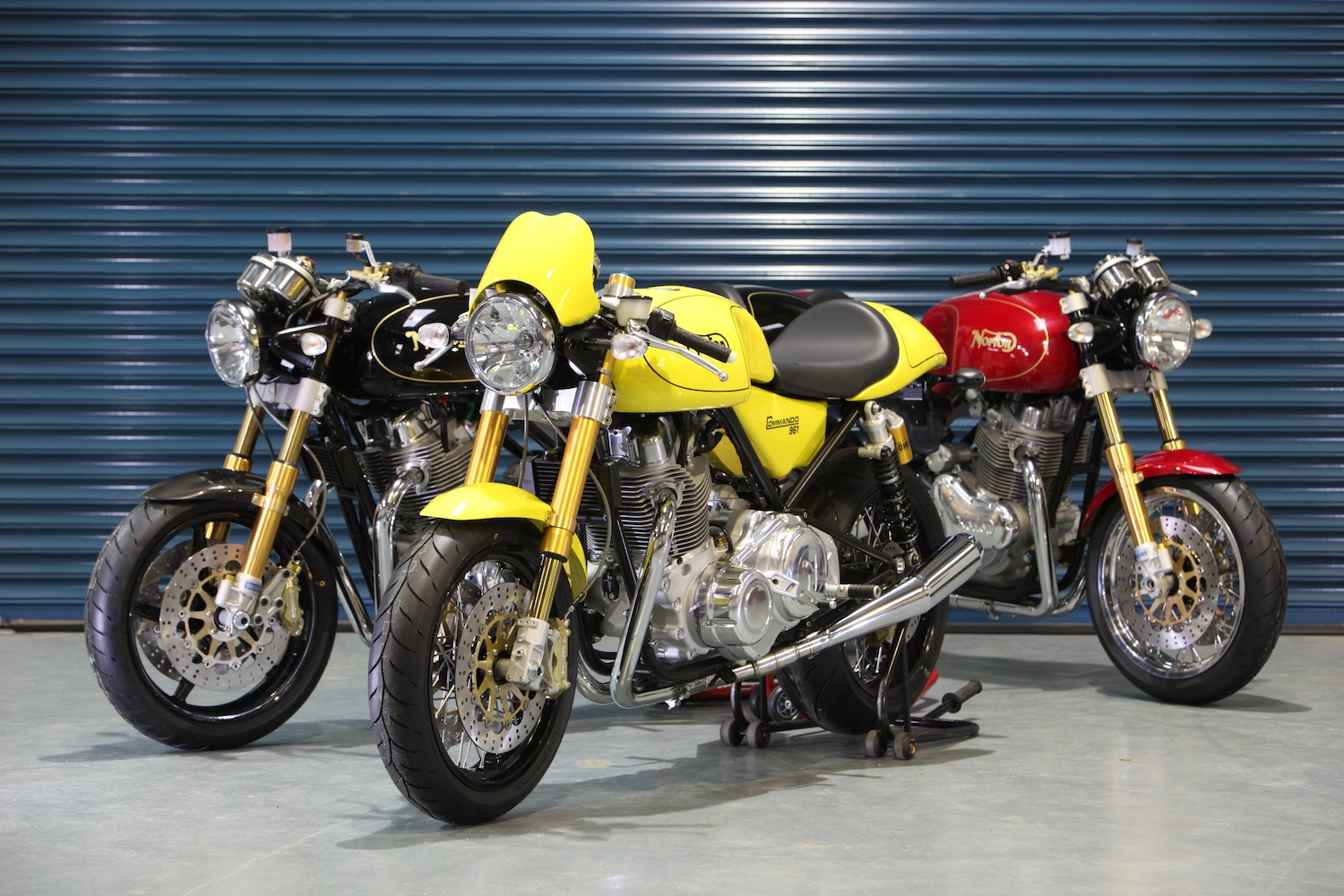
Garner established a new Norton Motorcycles factory at Donington Park to build a comprehensively redeveloped fuel-injected version of the Dreer-designed Commando 961. The first motorcycle came off the production line in March 2010. Production remained limited during the following eight years, and it is estimated that approximately 2,500 Commandos were built during Garner’s ownership, including the limited-production Domiracer and Dominator derivatives.
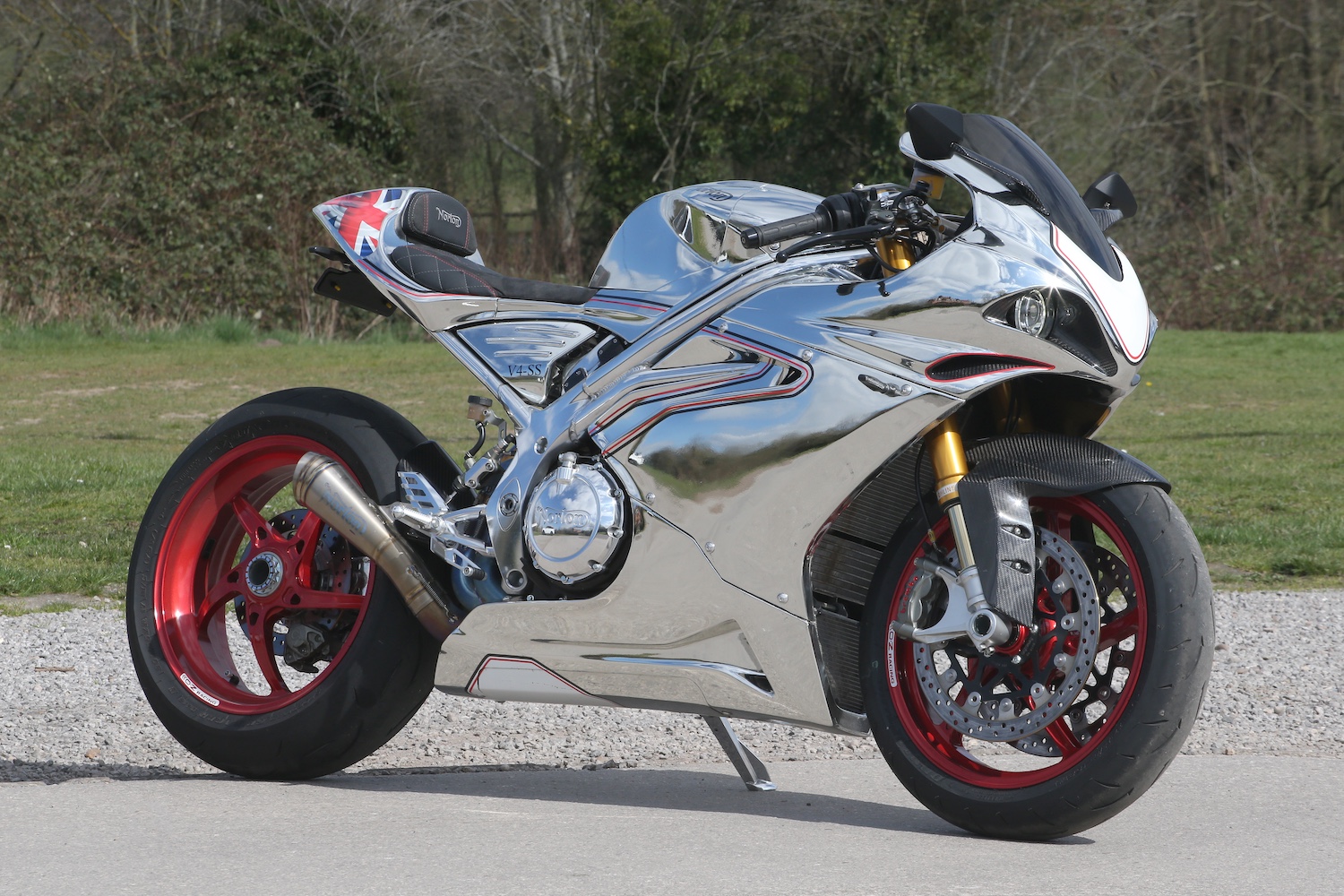
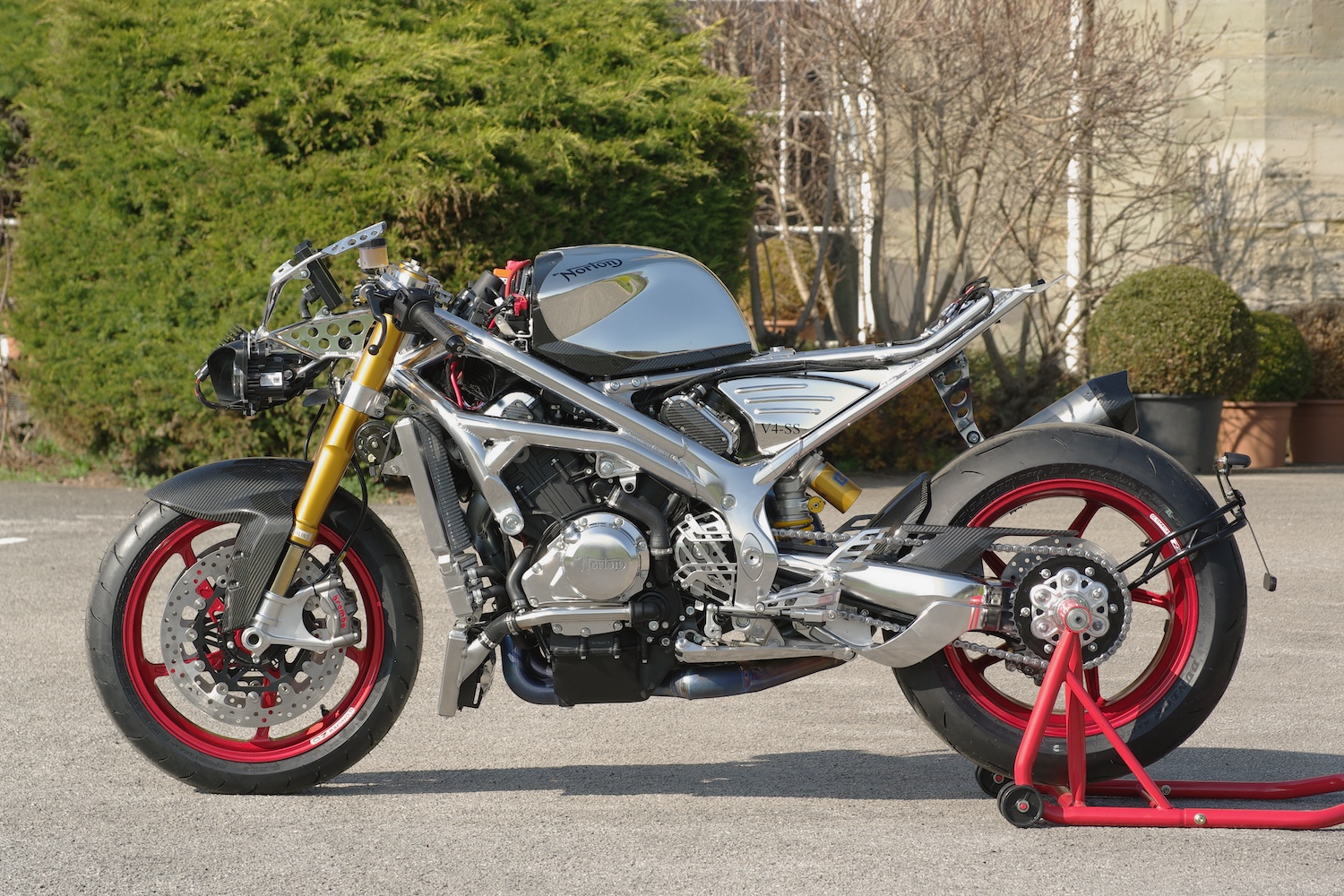
During this period, Norton technical director Simon Skinner had been working on developing the Norton 1200 V4, the first all-British superbike model ever to reach the marketplace. This was unveiled at the Birmingham NEC Show in November 2016, with the debut of two differing versions of the hand-built, UK-designed 1200cc machine. In October 2018 Norton began delivering examples of the limited-edition 1200 V4-SS priced at £44,000, all 200 versions of which were already sold before its launch to customers eager to acquire the ultimate high-performance motorcycle bearing the name of Britain’s most historic sporting brand.
THE RESURGENCE
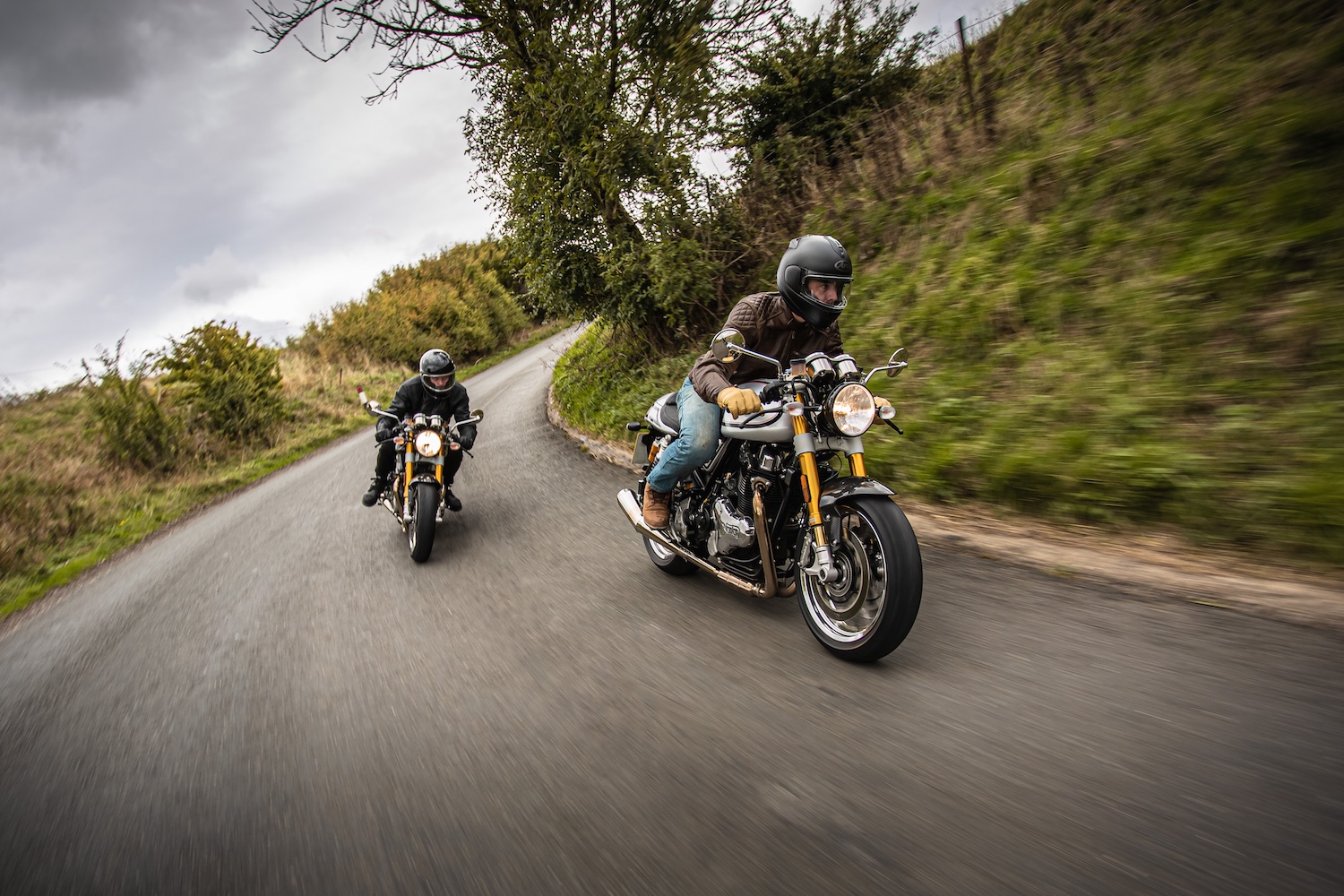
But in January 2020 Norton Motorcycles collapsed into bankruptcy, and in April that same year was acquired by Indian motorcycle manufacturer TVS Motor Company. Having established a new state-of-the-art factory on the outskirts of Birmingham, Norton’s original home, TVS then re-engineered the Commando 961 to make it limited production-friendly, while now meeting Euro 4 compliance.
Even though it was under no legal obligation to do so, it then manufactured a series of Commando 961 Classic variants for delivery at no additional cost to the 29 customers who’d paid Garner’s by then defunct company for their bikes, but never received them, before launching the updated model to the general public, as the first new series production Norton model under TVS ownership.
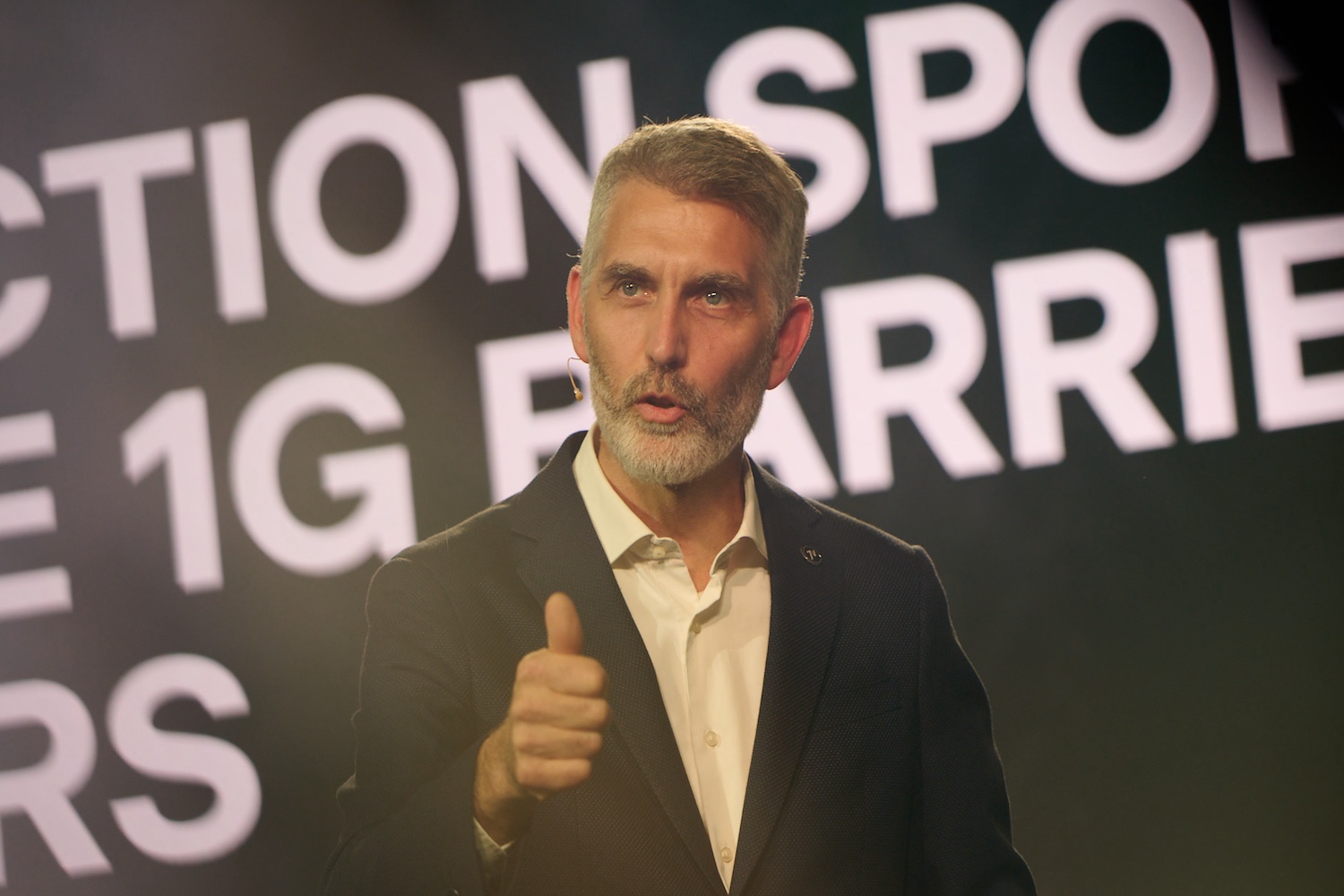
However, this was merely a stop-gap solution to keeping the Norton name alive. Meantime, Norton Motorcycles’ American-born Chief Technical Officer (CTO) Brian Gillen, was personally head-hunted by company Chairman Sudarshan Venu, to take over the company’s technical direction in the run-up to the brand’s relaunch at EICMA 2025. Gillen joined Norton in February 2024 after spending 17 years at MV Agusta – ironically, Norton’s premier rival in Grand Prix racing during the Classic era seventy years ago. Since then, he has overseen a team of 200 development engineers across the UK, India and Italy, spearheading the creation of an all-new family of Norton motorcycles.
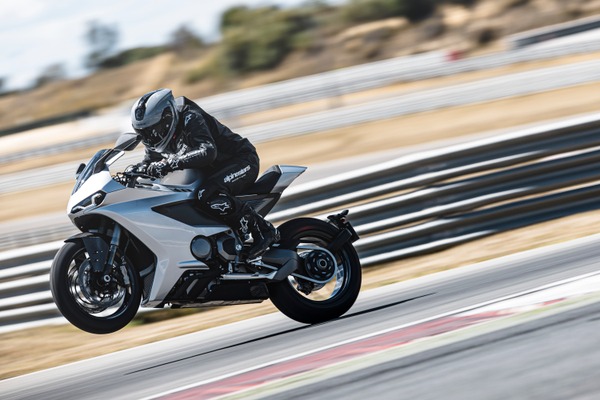
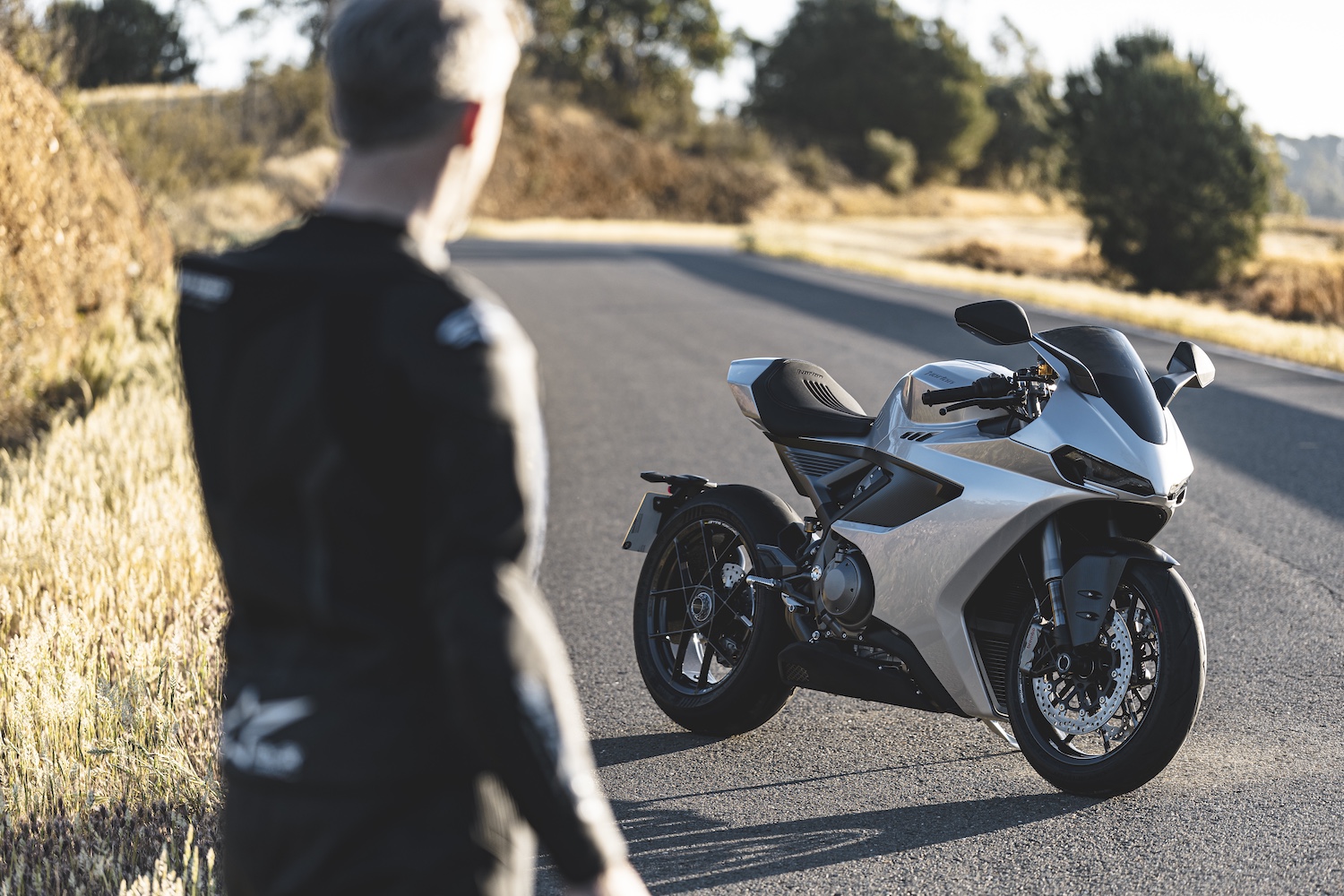
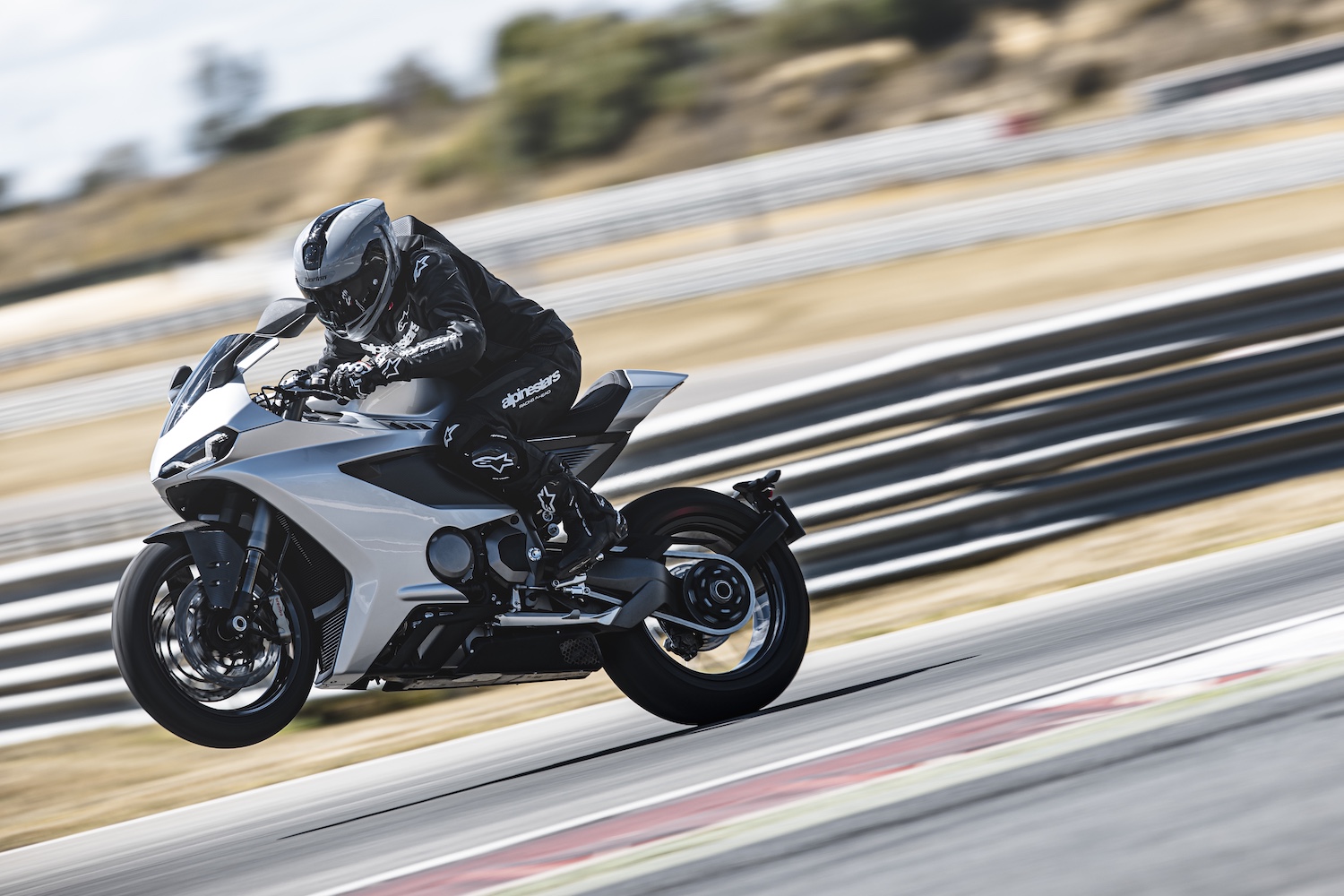
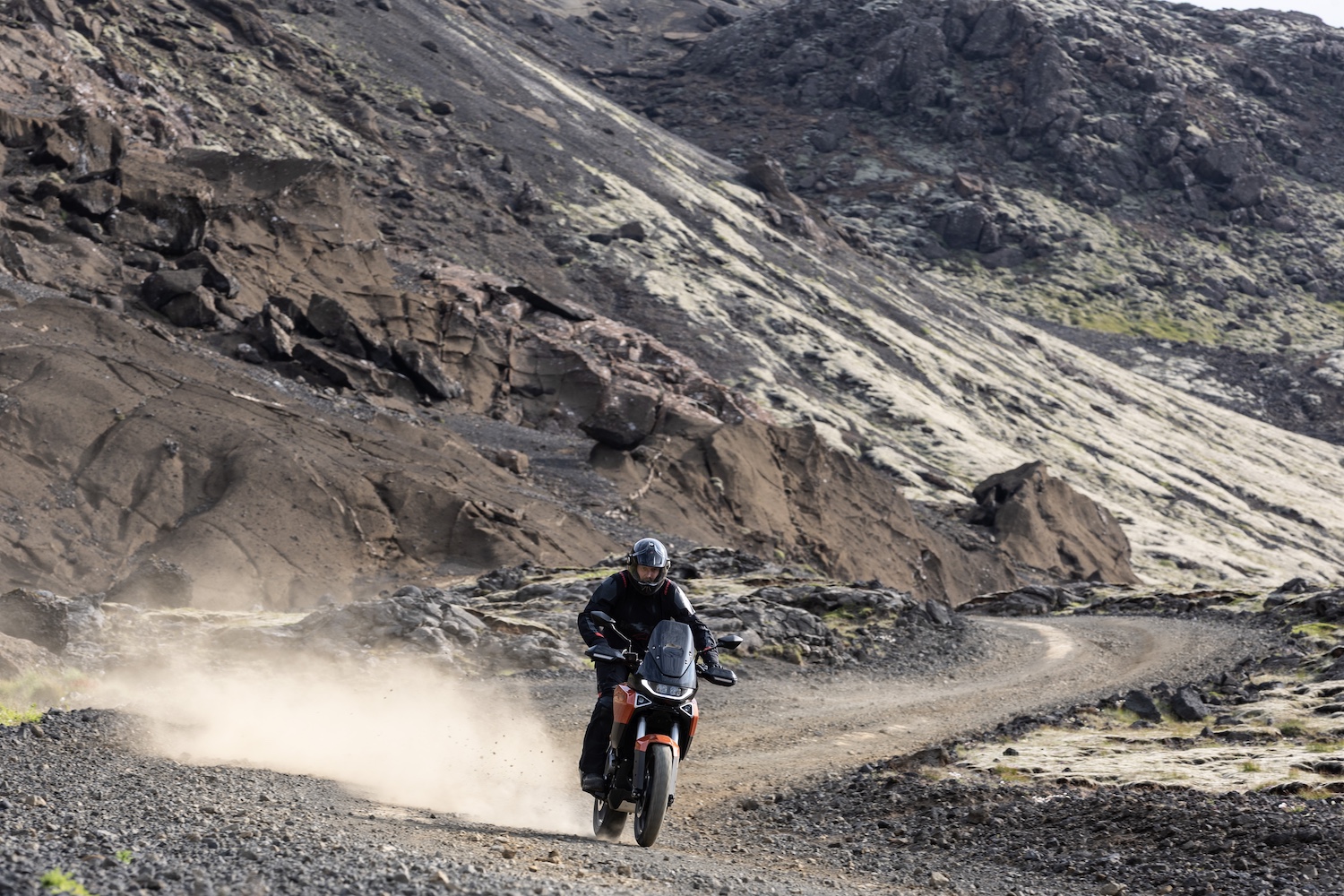
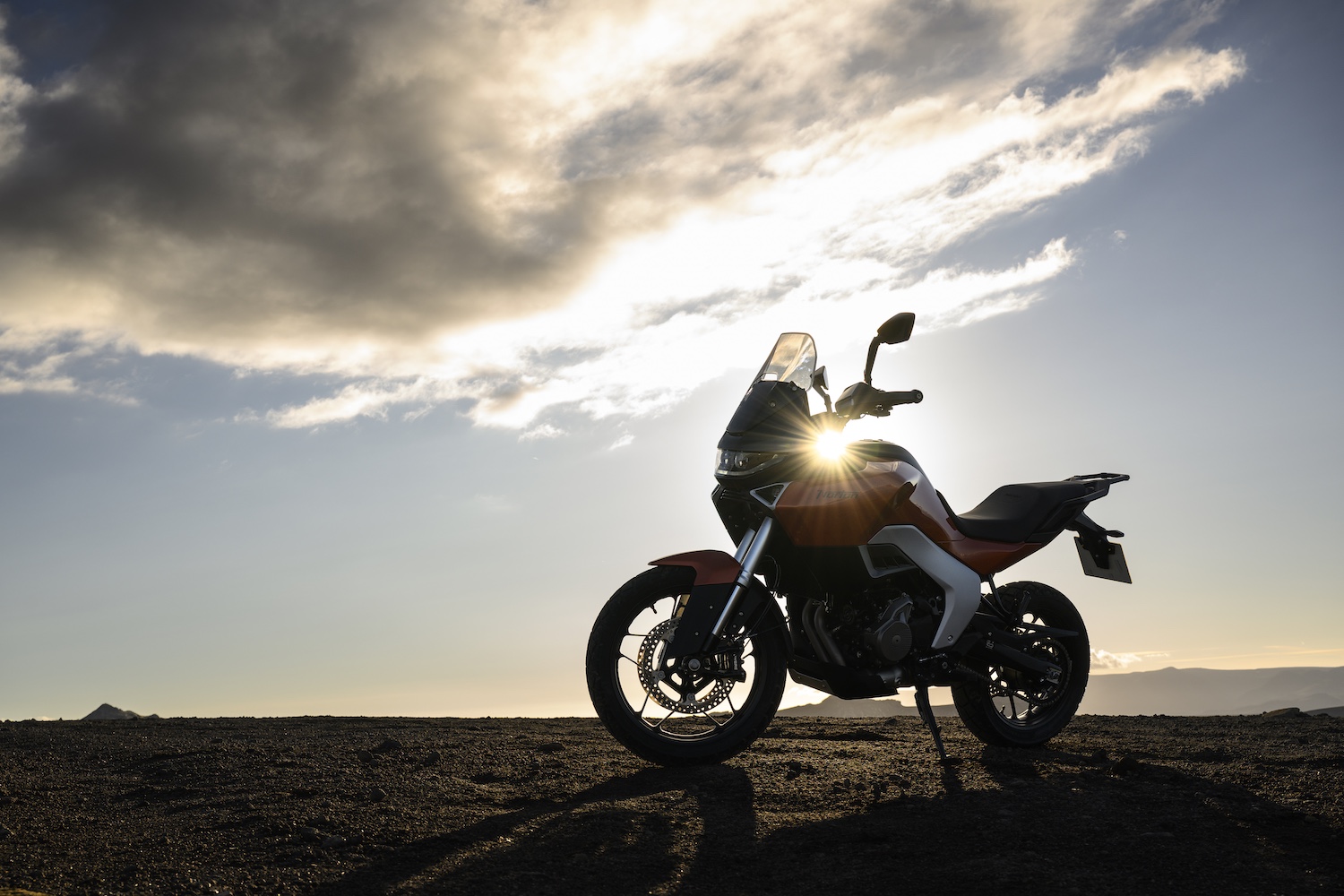
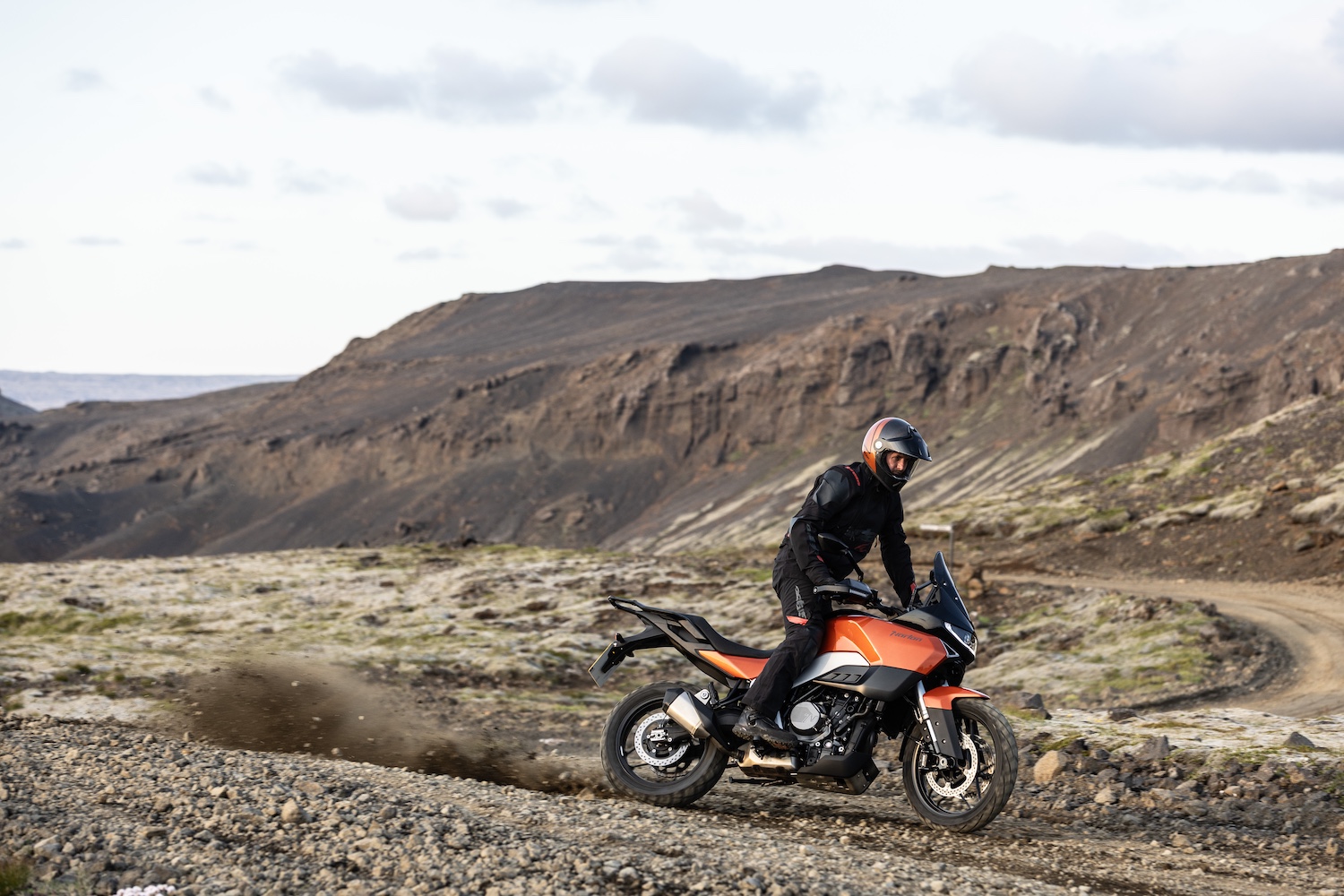
The Manx, Manx R and Atlas families, unveiled at EICMA 2025 and now in production, represent the first products of this new era
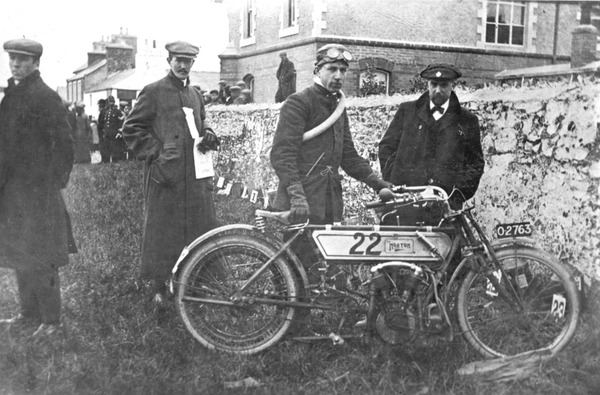
1907: Rem Fowler before winning the inaugural Isle of Man Twin Cylinder TT on a Norton...
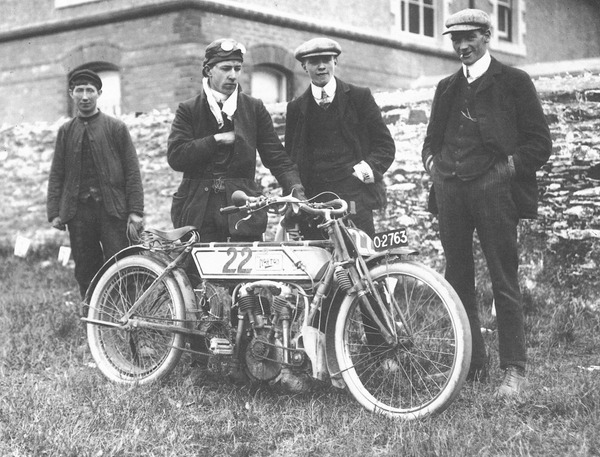
1907: Rem Fowler after winning the inaugural Isle of Man Twin Cylinder TT on a Norton...
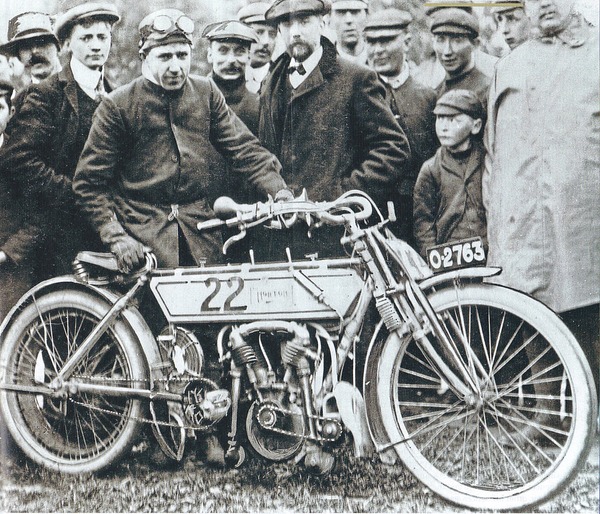
1907: Rem Fowler after winning the inaugural Isle of Man Twin Cylinder TT on a Norton...
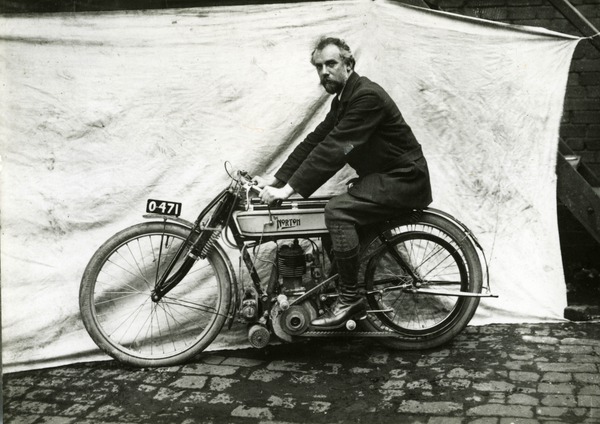
1909: James Norton sits proudly atop his Energette
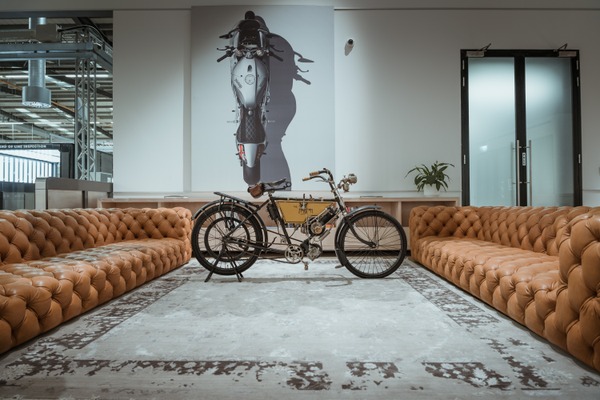
1909: Norton Energette
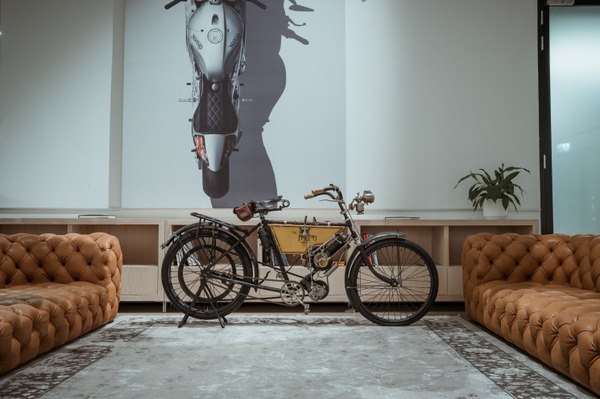
1909: Norton Energette
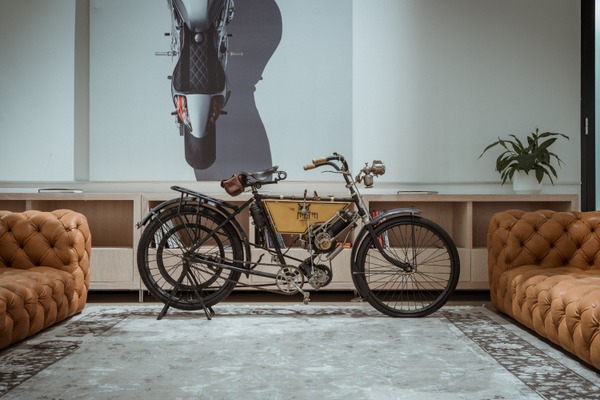
1909: Norton Energette
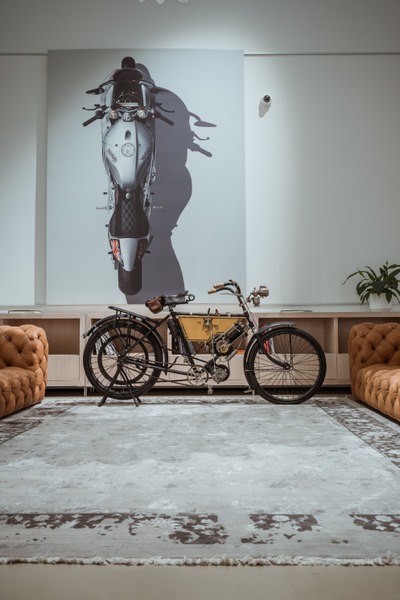
1909: Norton Energette
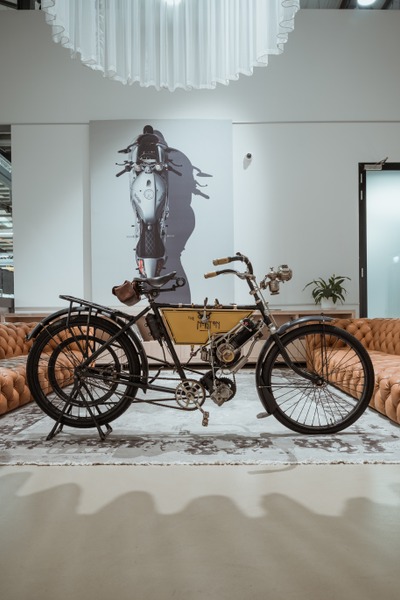
1909: Norton Energette
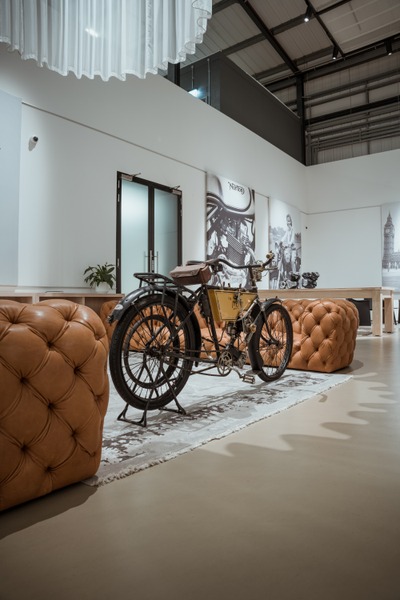
1909: Norton Energette
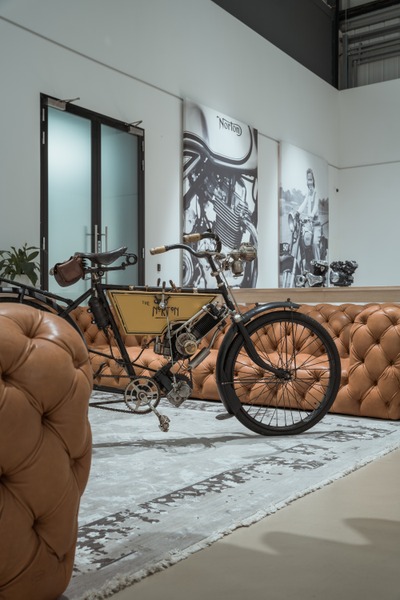
1909: Norton Energette
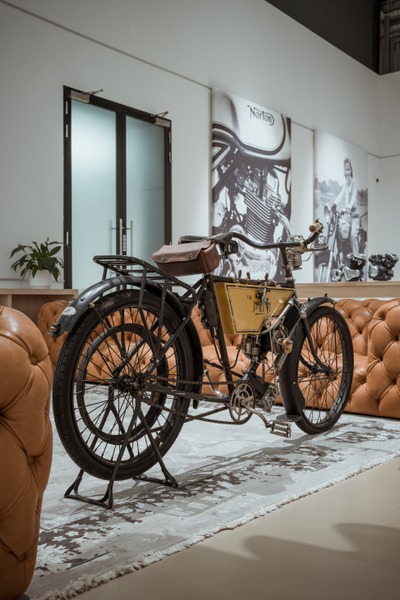
1909: Norton Energette
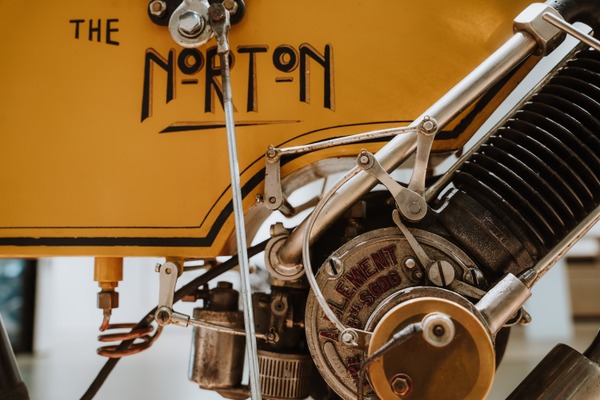
1909: Norton Energette
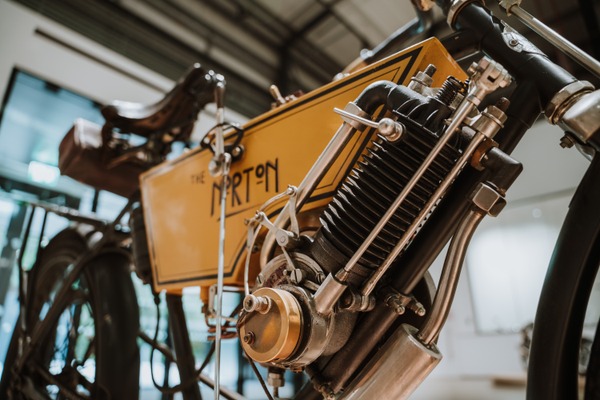
1909: Norton Energette
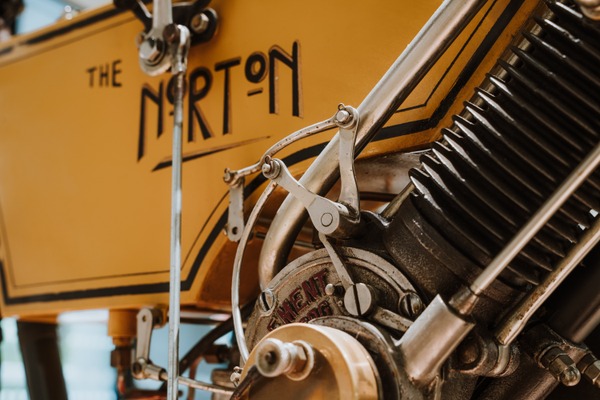
1909: Norton Energette
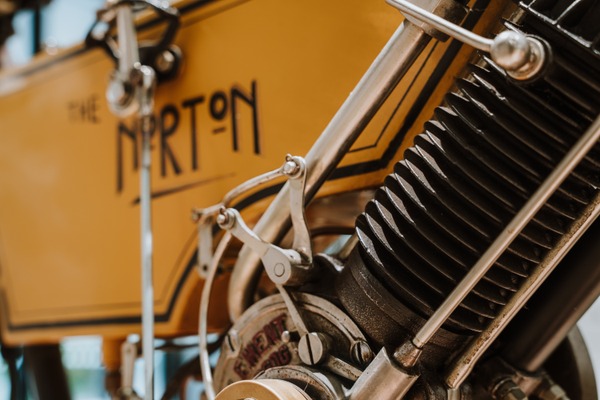
1909: Norton Energette
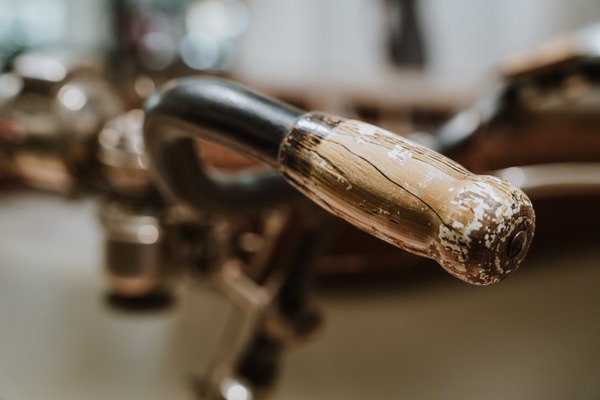
1909: Norton Energette
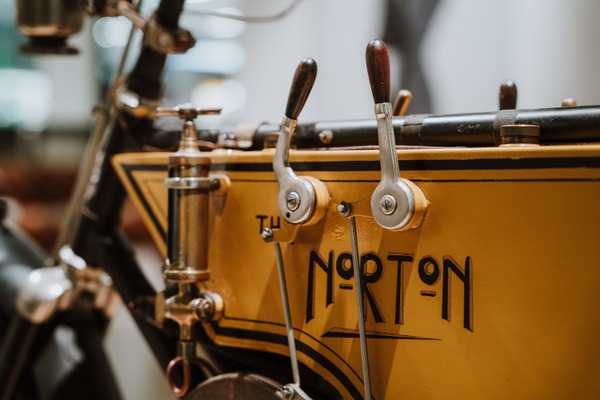
1909: Norton Energette
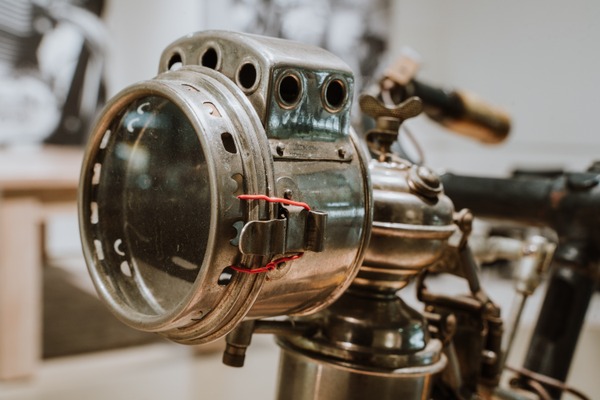
1909: Norton Energette
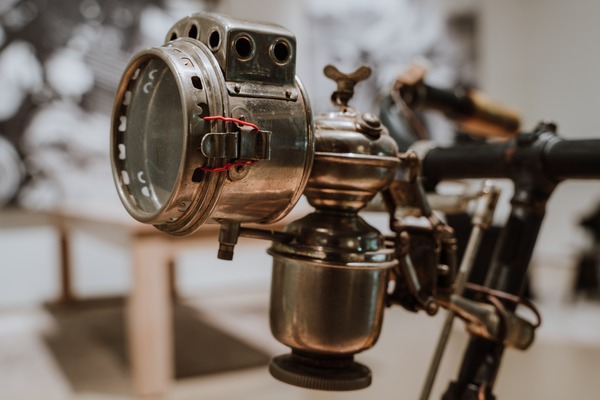
1909: Norton Energette
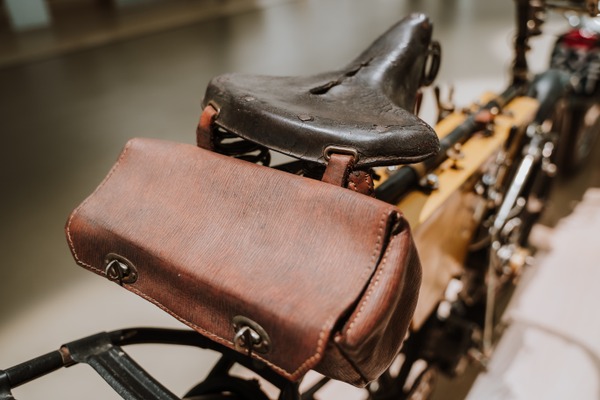
1909: Norton Energette
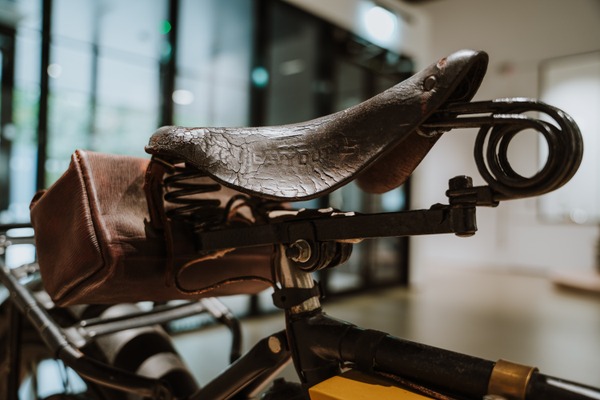
1909: Norton Energette
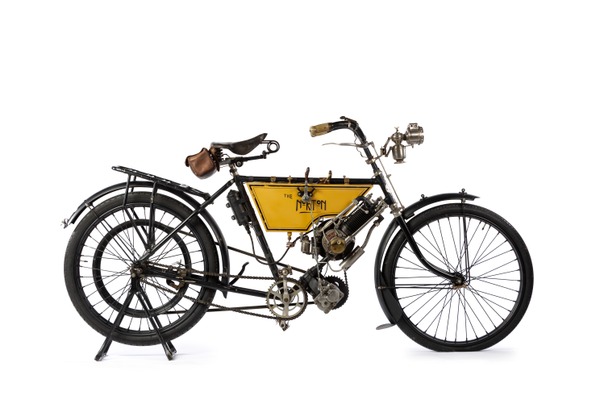
1909: Norton Energette
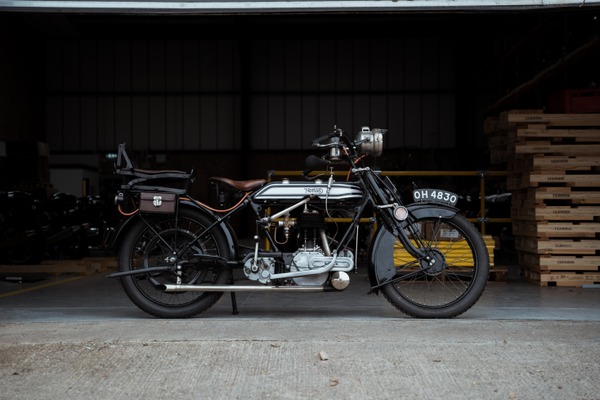
1909: Norton Model 1
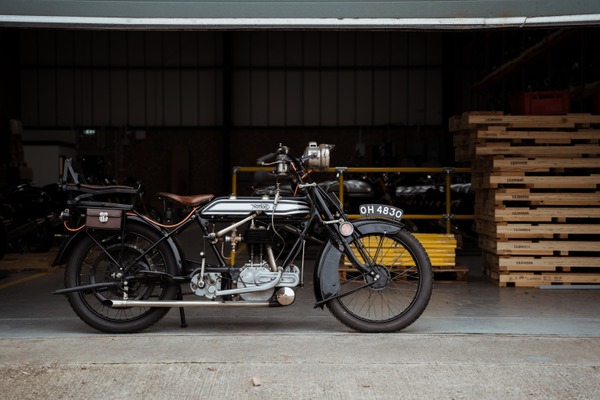
1909: Norton Model 1
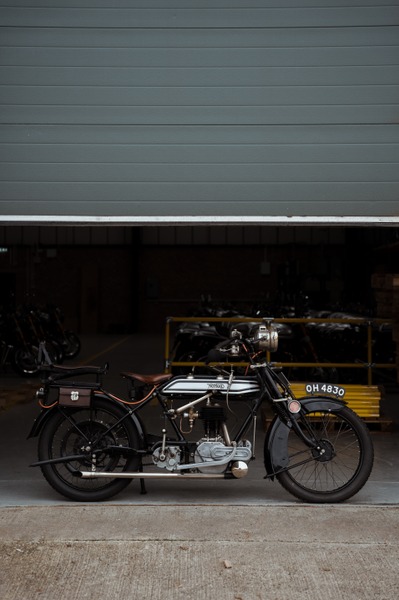
1909: Norton Model 1
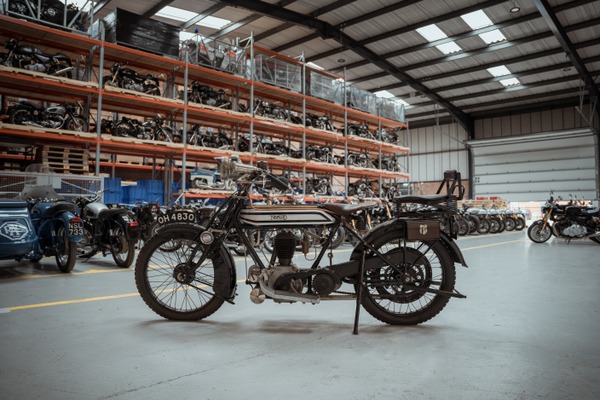
1909: Norton Model 1
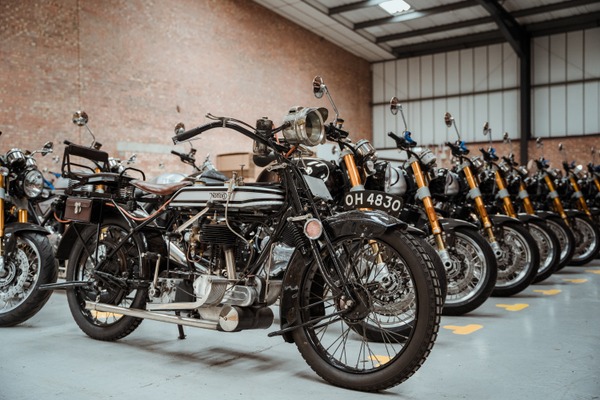
1909: Norton Model 1
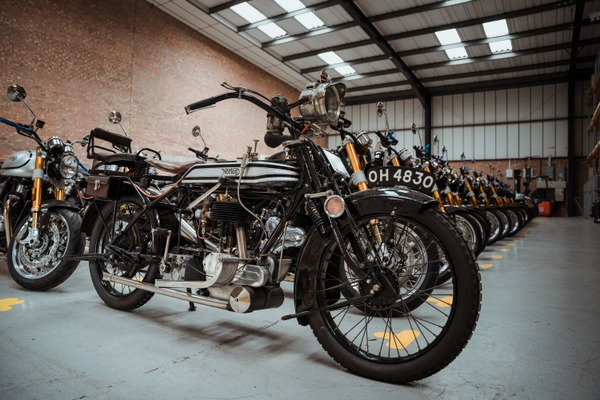
1909: Norton Model 1
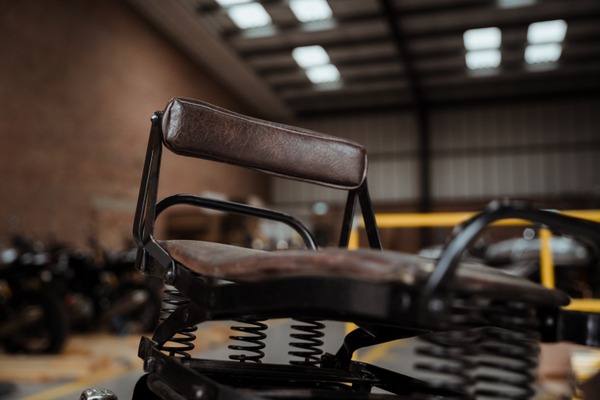
1909: Norton Model 1
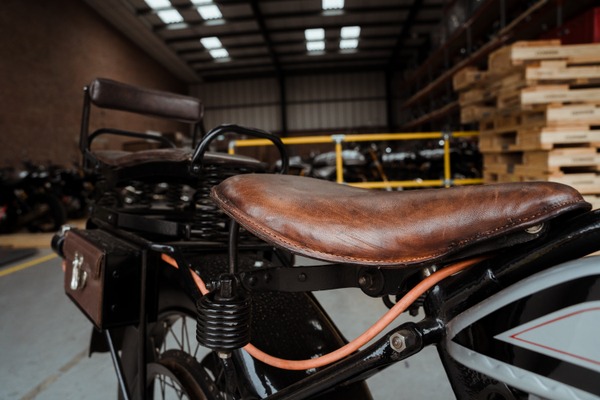
1909: Norton Model 1
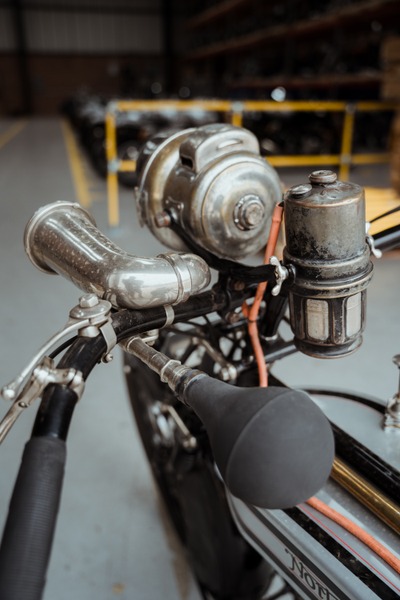
1909: Norton Model 1
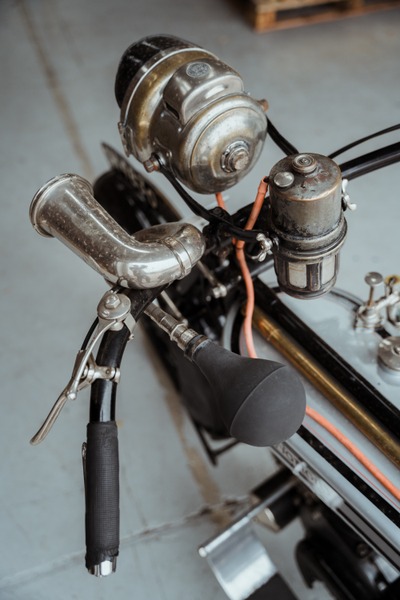
1909: Norton Model 1
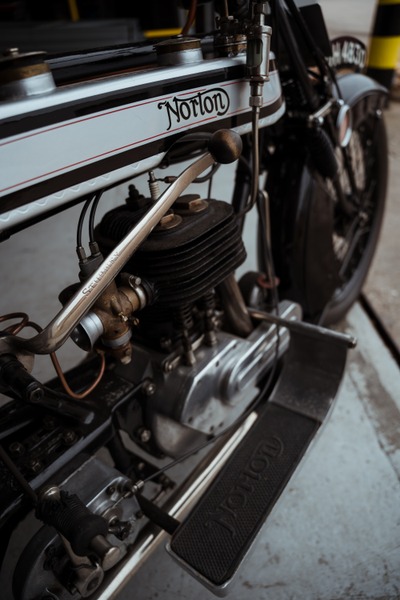
1909: Norton Model 1
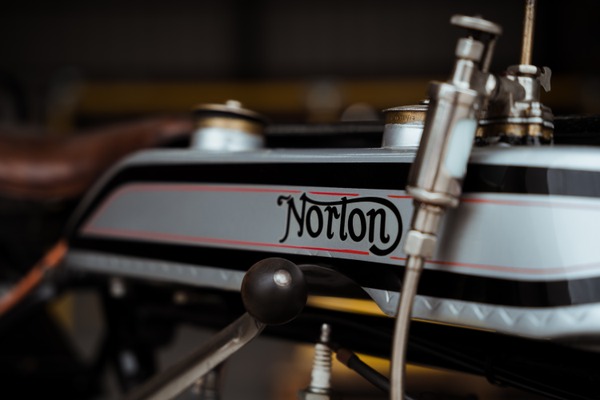
1909: Norton Model 1
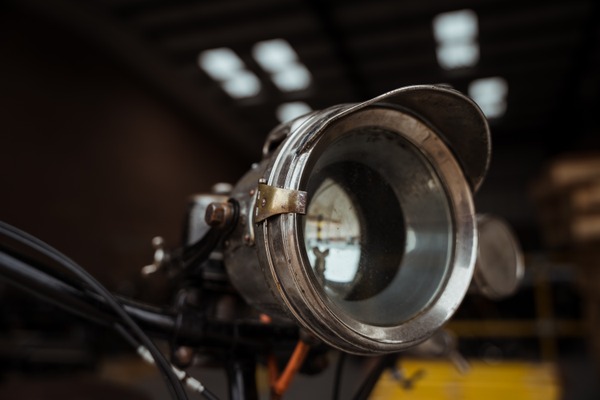
1909: Norton Model 1
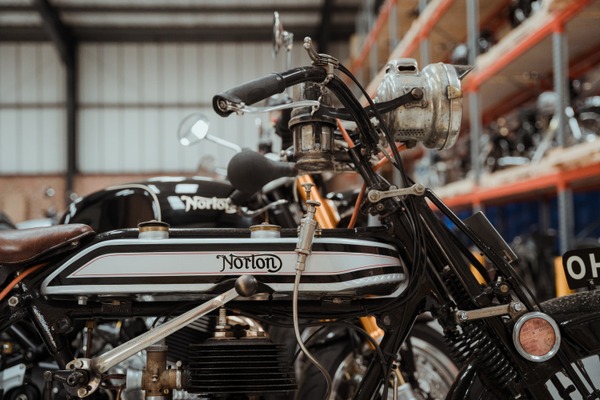
1909: Norton Model 1
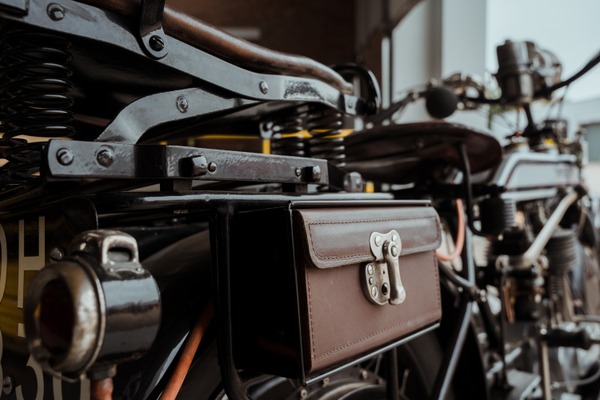
1909: Norton Model 1
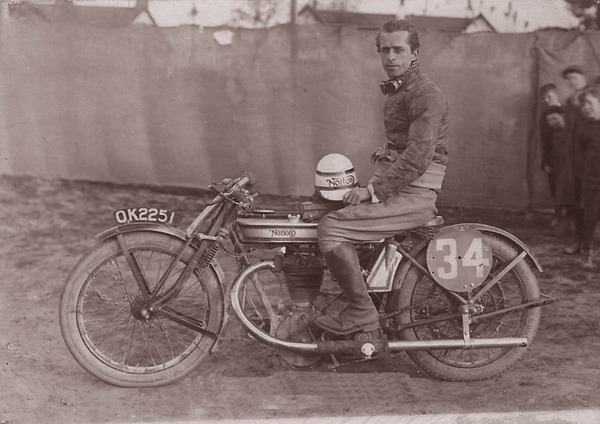
1922: Ralph Cawthorne and his Norton Works OHV
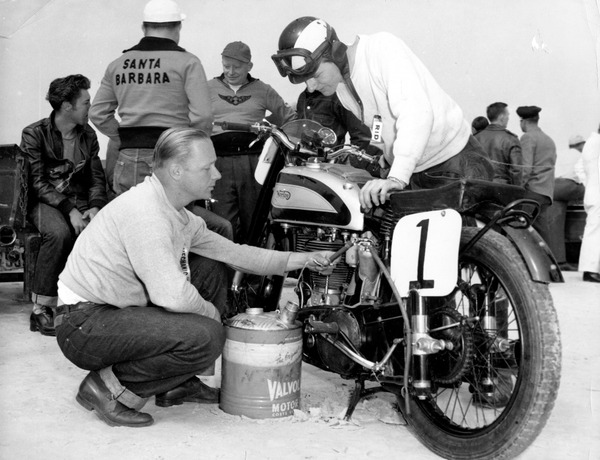
1948: Clarence Czysz tuning 100-mile Amateur race winner Don Evans' Manx Norton at...
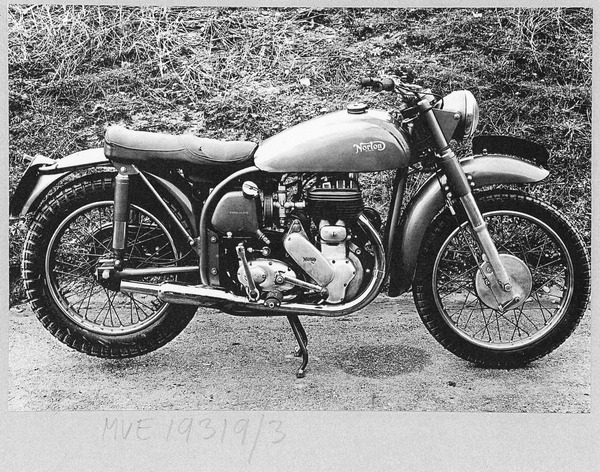
1948: Norton prototype Big 4 in Featherbed frame
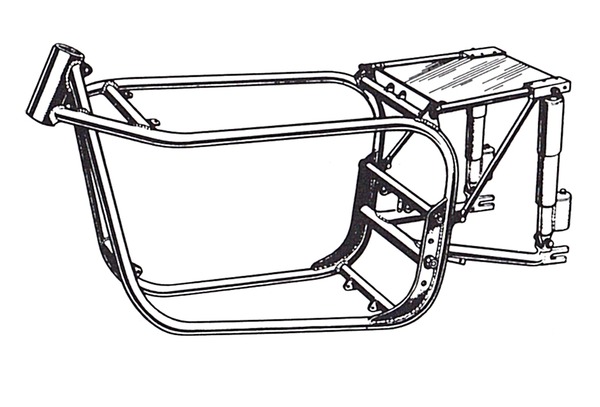
1949: Original McCandless Featherbed frame
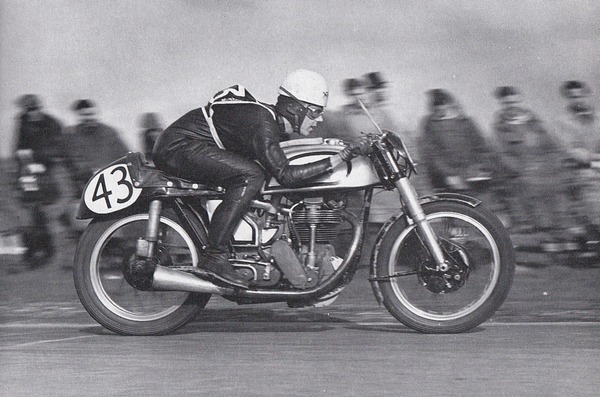
1950: Duke wins 500cc race on debut for Norton fitted with McCandless Featherbed frame
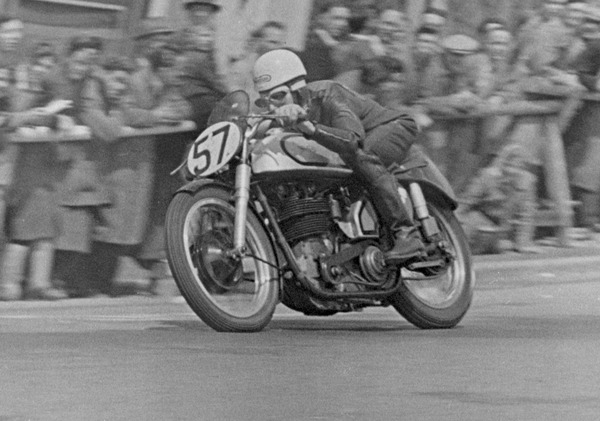
1950: Geoff Duke at the Isle of Man TT
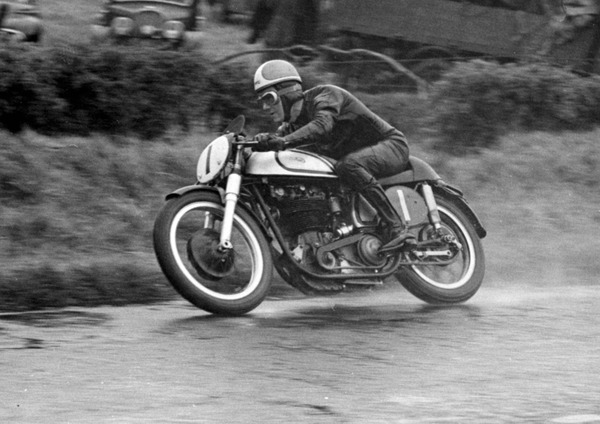
1951: Geoff Duke wins the 500cc Ulster Grand Prix, securing the World Championship
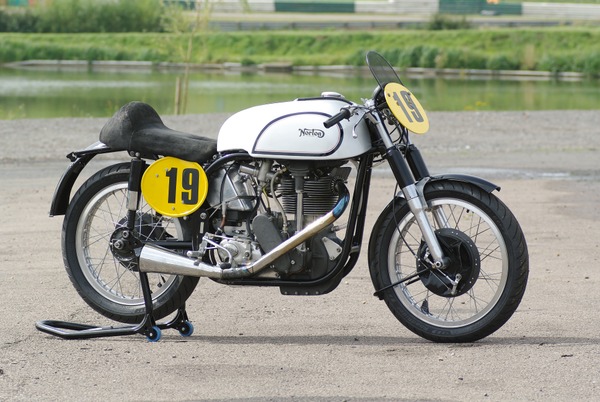
1951: Norton Manx 500 Featherbed
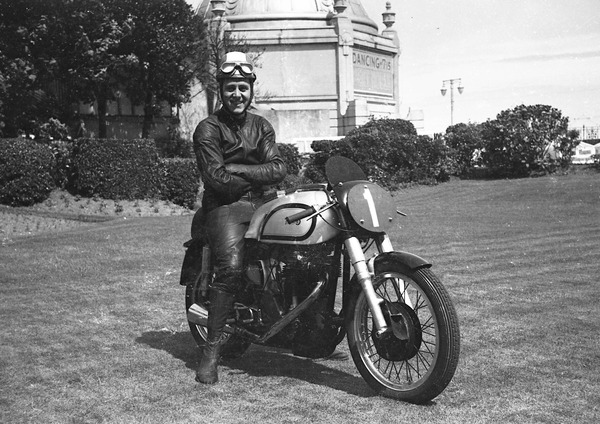
1952: Geoff Duke successfully defends his 350cc World Championship title
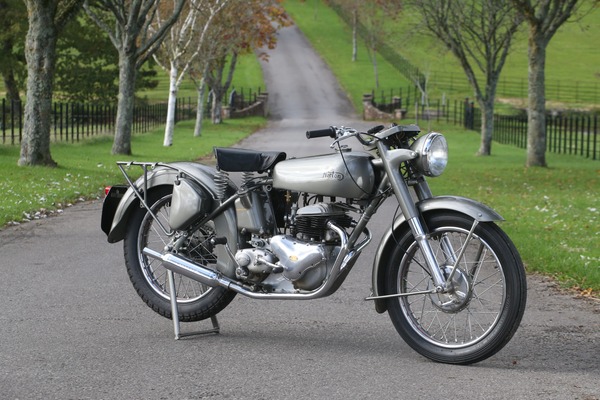
1953: Norton Military Prototype Twin
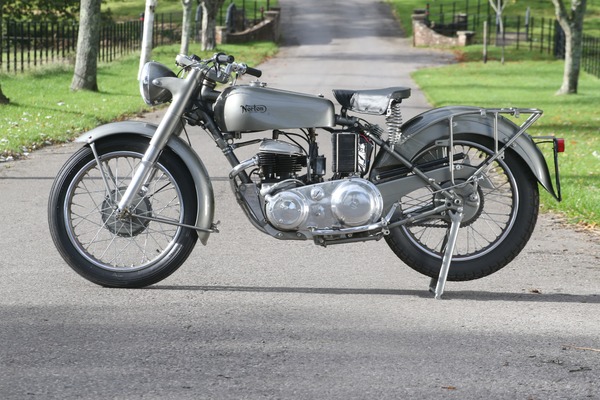
1953: Norton Military Prototype Twin
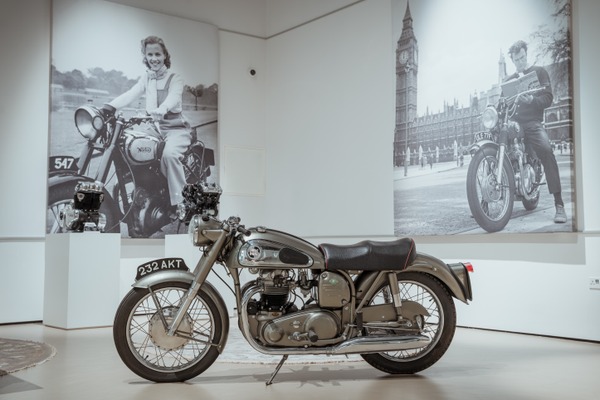
1956 Norton International
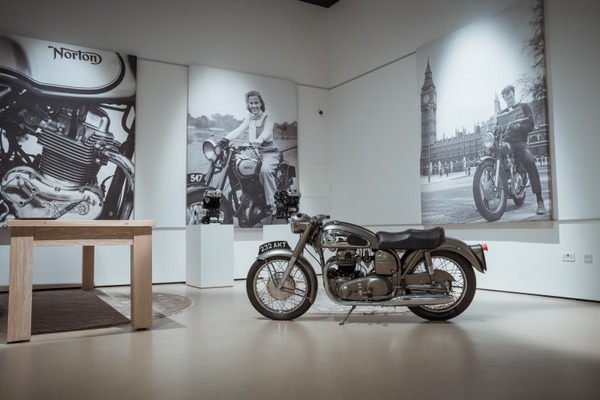
1956: Norton International
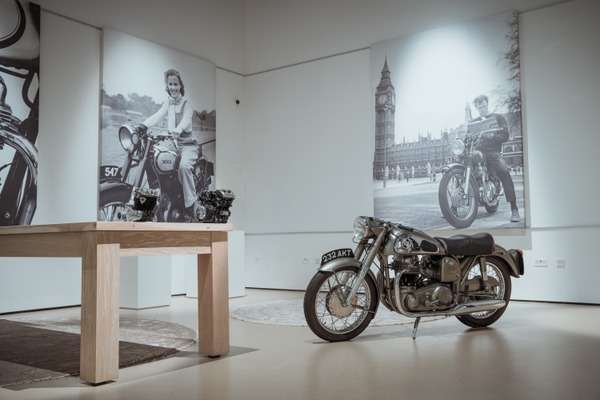
1956 Norton International
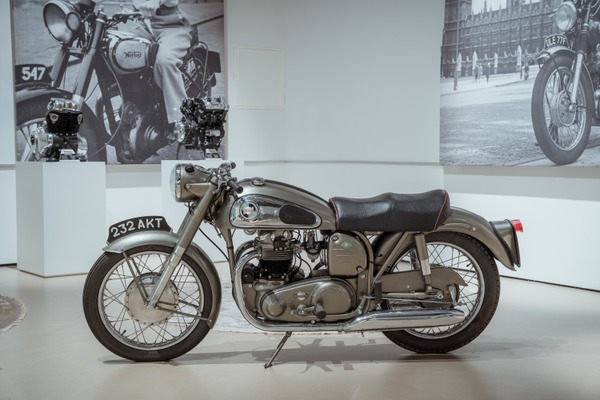
1956: Norton International
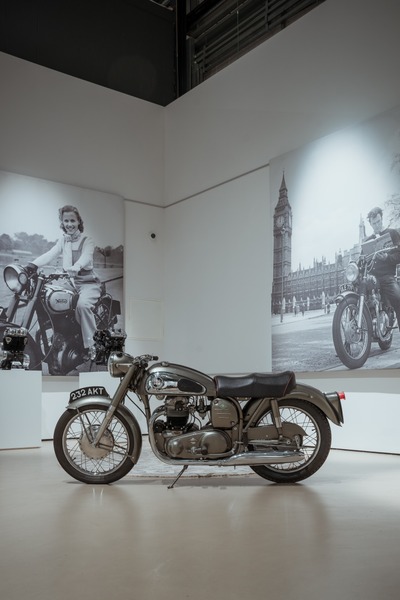
1956: Norton International
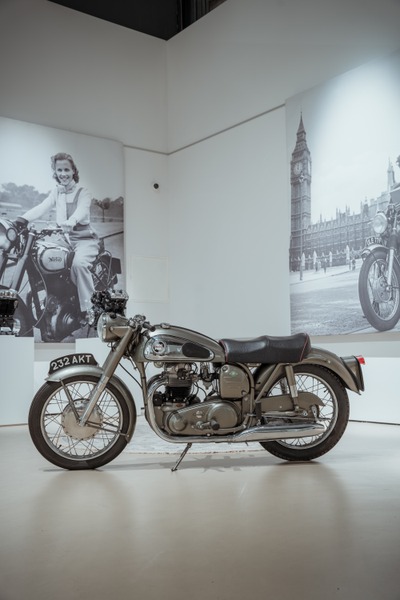
1956 Norton International
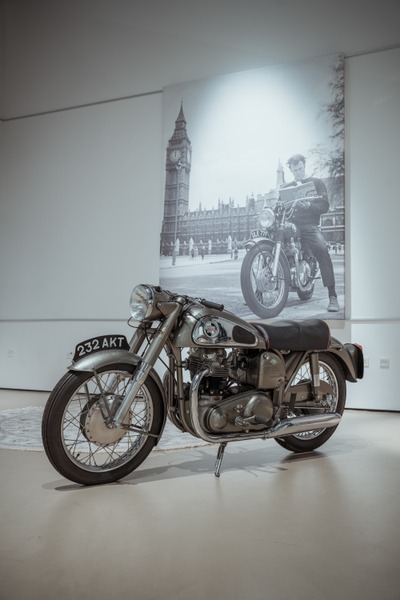
1956 Norton International
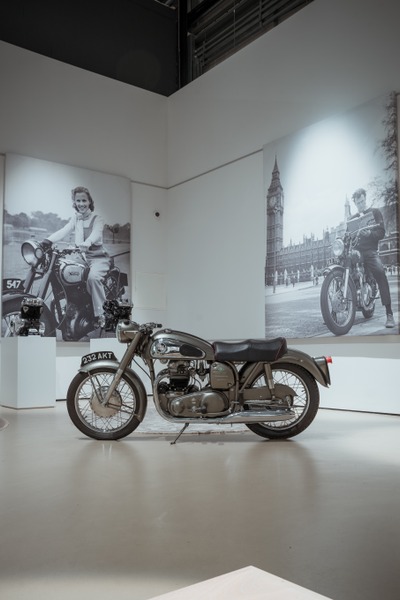
1956: Norton International
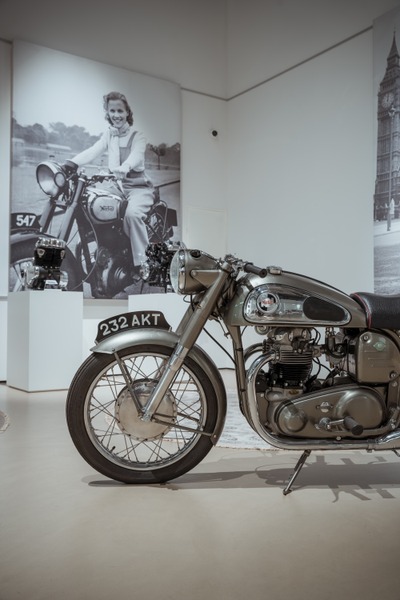
1956 Norton International
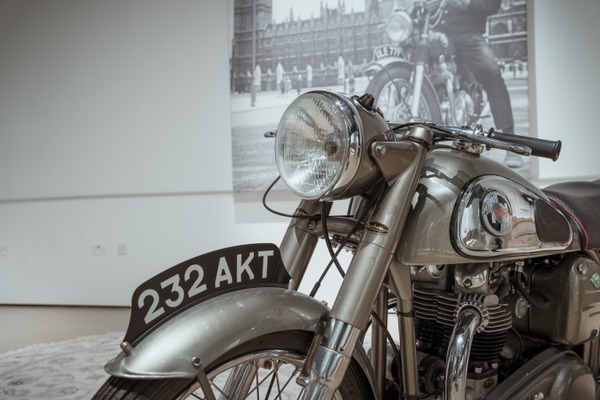
1956 Norton International
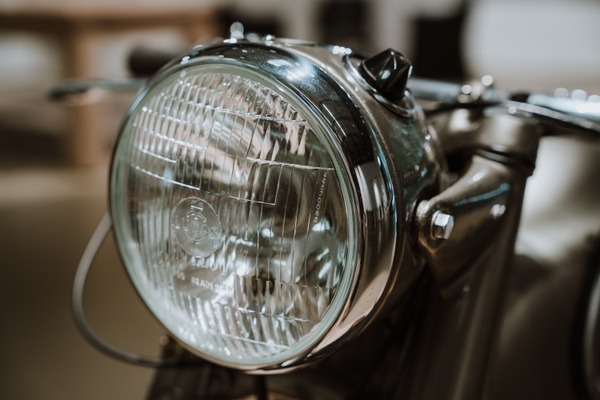
1956: Norton International
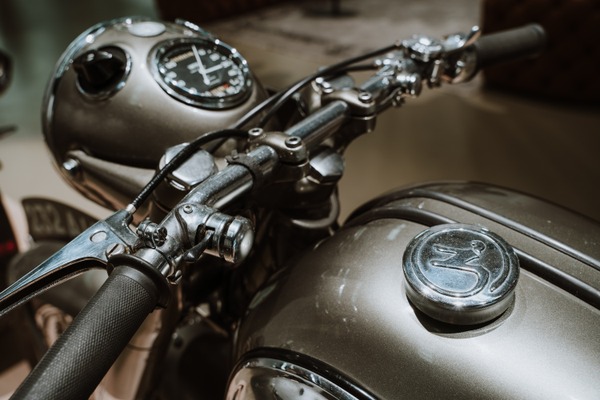
1956: Norton International
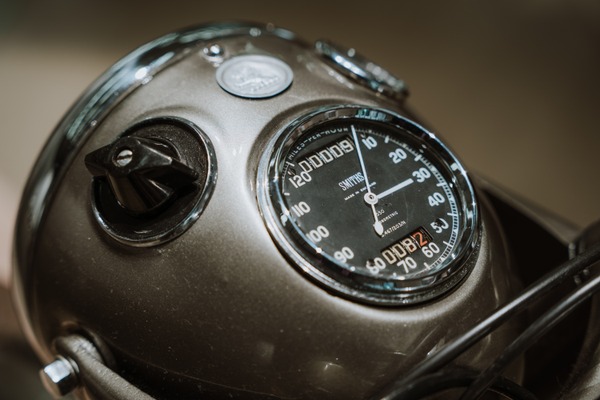
1956: Norton International
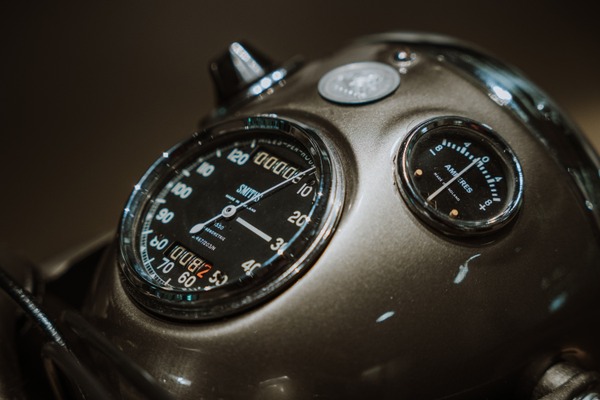
1956: Norton International
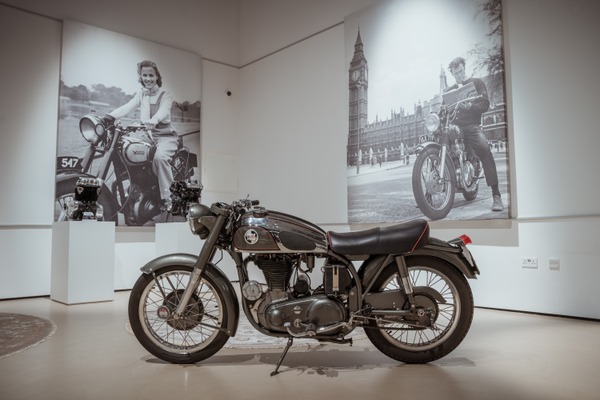
1956: Norton International
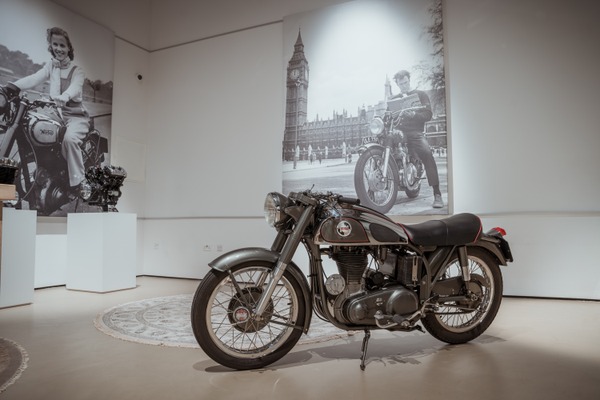
1956: Norton International
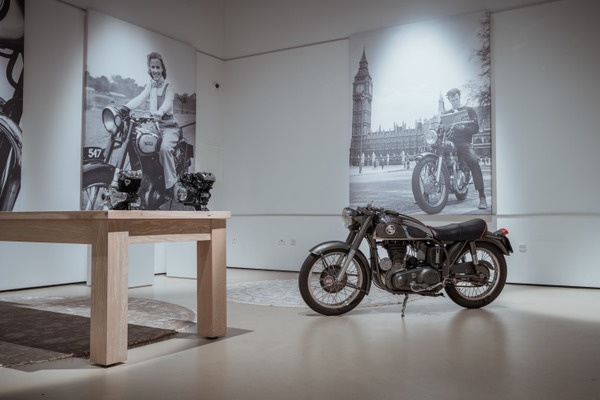
1956: Norton International
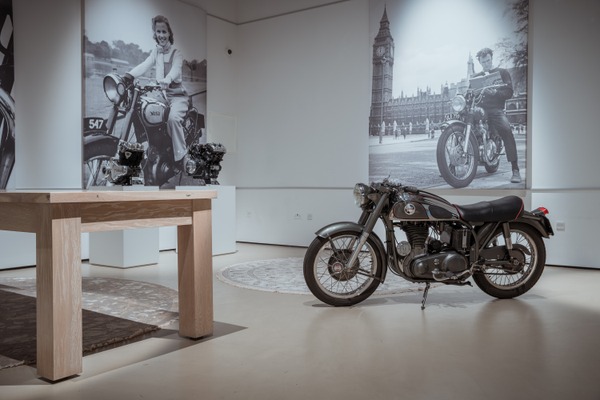
1956: Norton International
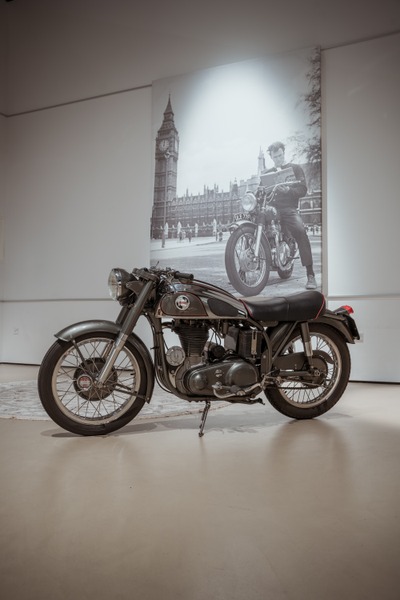
1956: Norton International
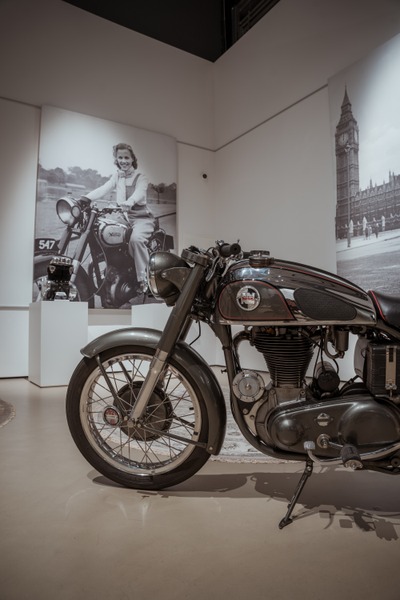
1956: Norton International
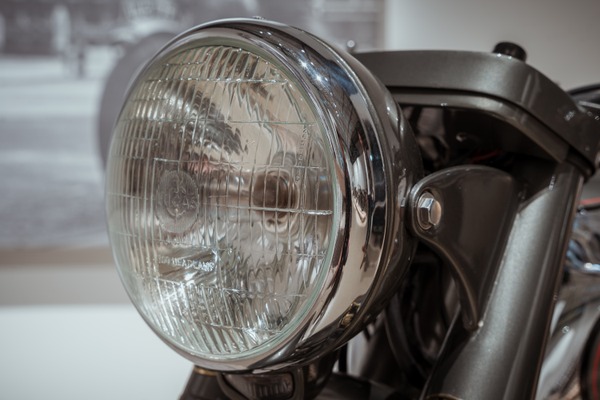
1956: Norton International
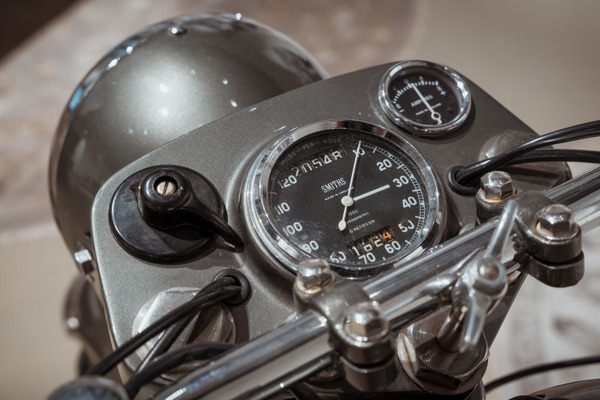
1956: Norton International
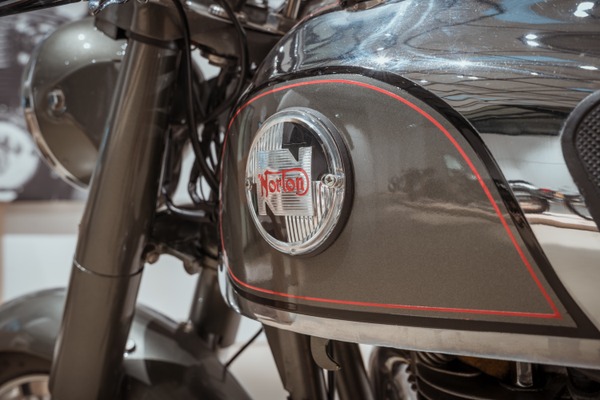
1956: Norton International
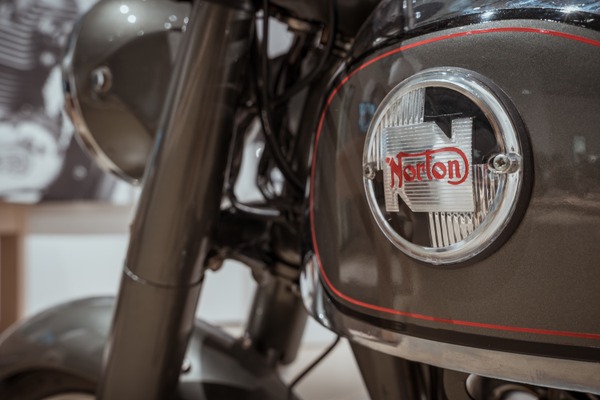
1956: Norton International
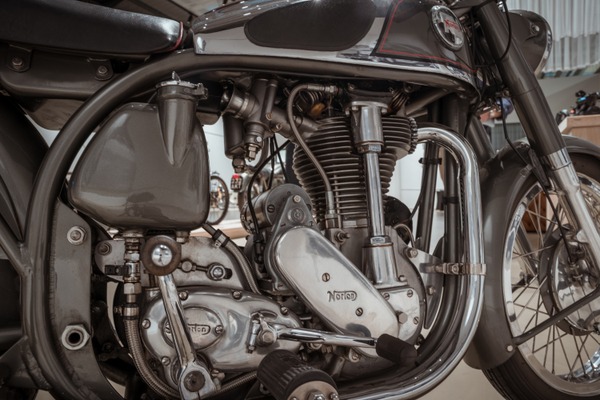
1956: Norton International
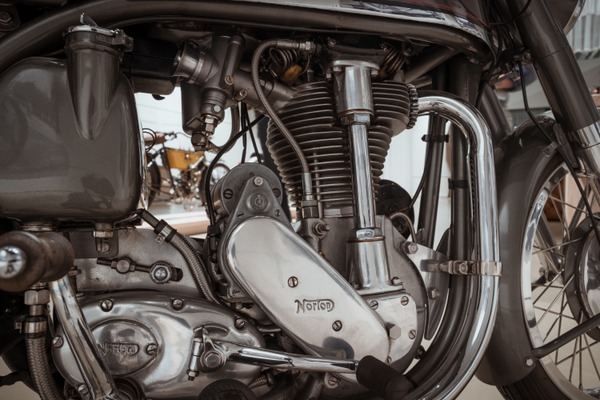
1956: Norton International
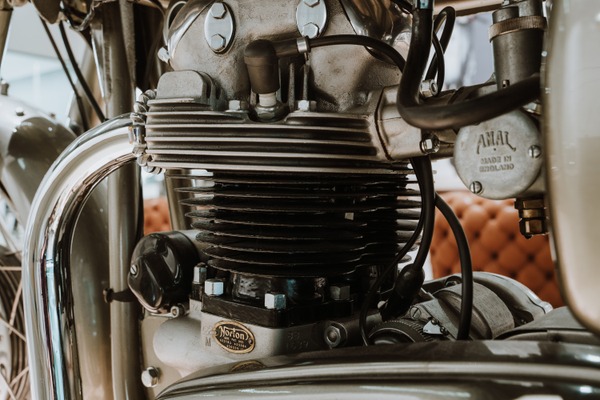
1956: Norton International
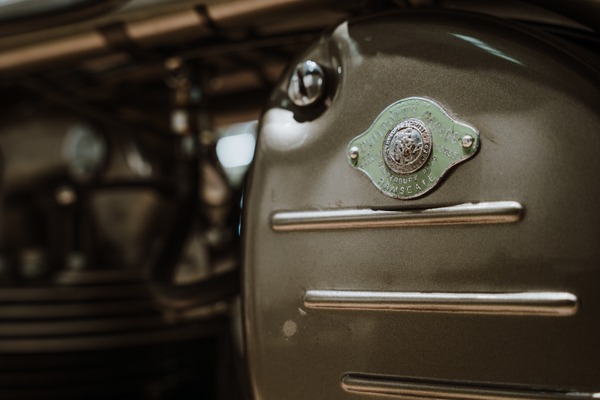
1956: Norton International
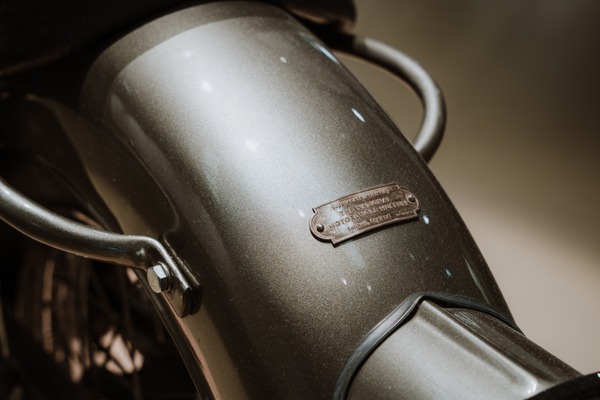
1956: Norton International
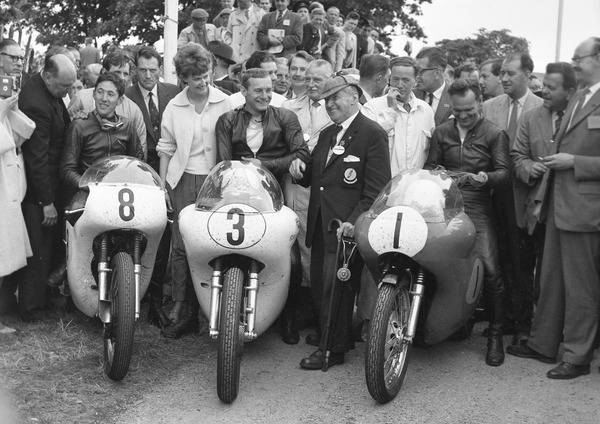
1961: Isle of Man Senior TT (l to r) Tom Phillis, Mike Hailwood, Bob McIntyre
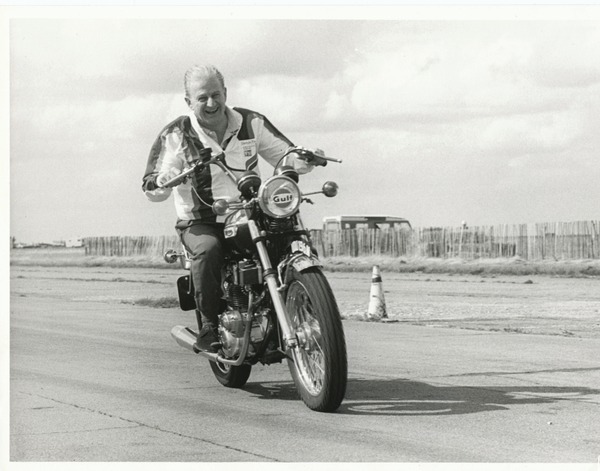
1970: Dennis Poore riding a Triumph Trident
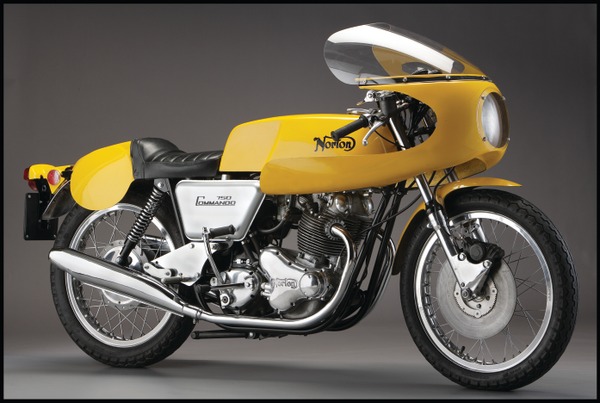
1970: Norton Commando Production Racer
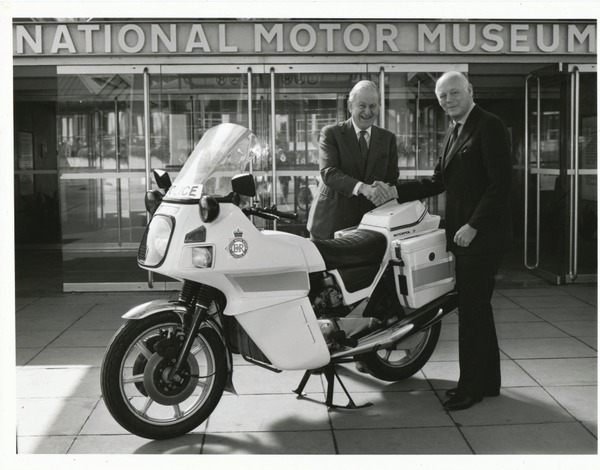
1972: Dennis Poore (l) handing over a Norton Police bike to Lord Montagu of Beaulieu...
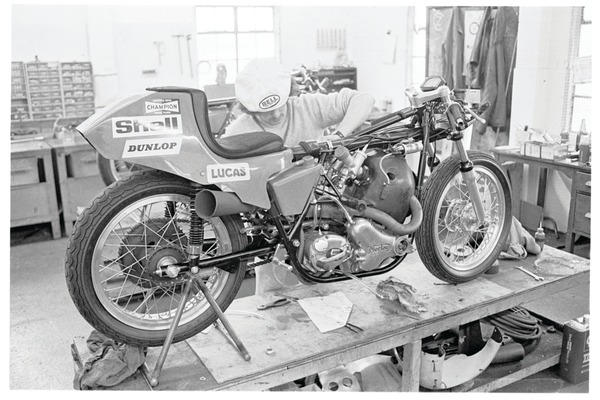
1972: Norton JPN being prepared at Norton's race- headquarters at Thruxton circuit
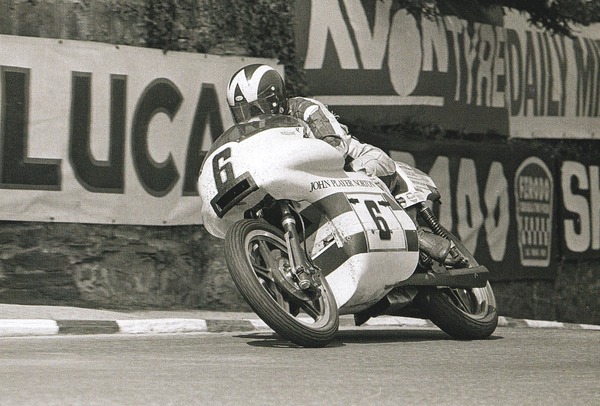
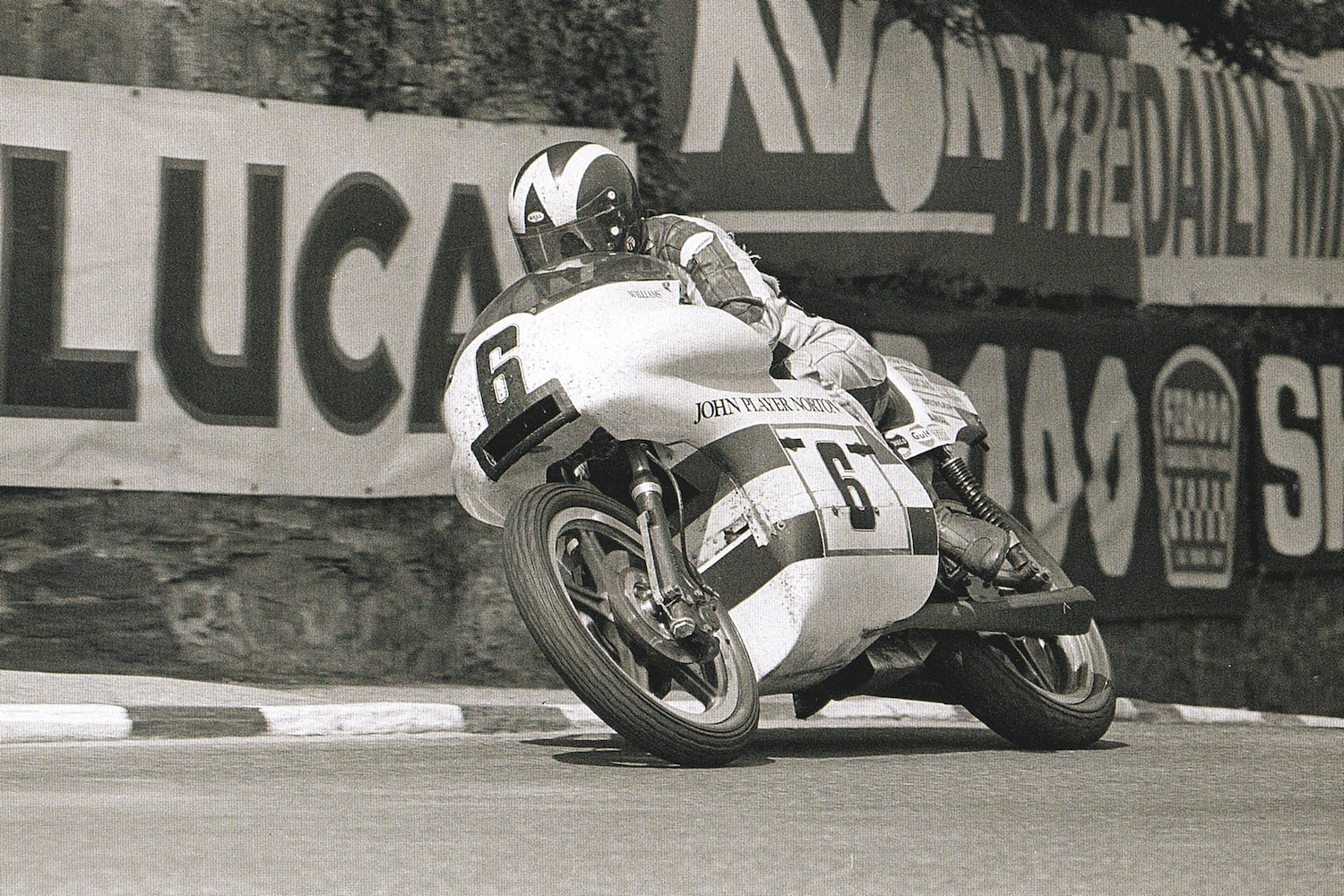
1973: Peter Williams accelerates out of Governors Bridge to win the Formula 750 TT
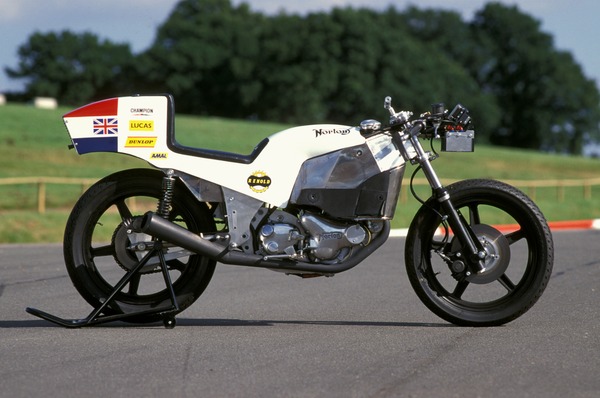
1973: JPN Monocoque Isle of Man TT winner
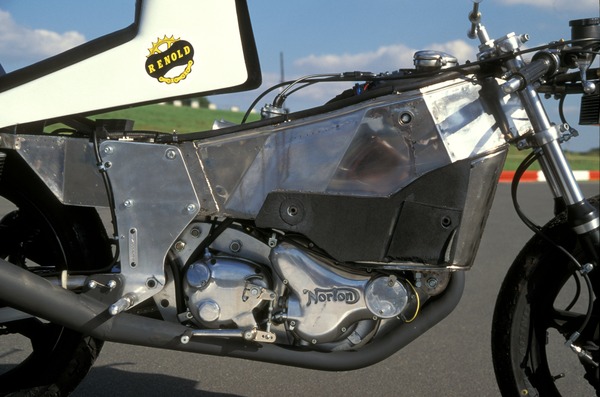
1973: JPN Monocoque Isle of Man TT winner
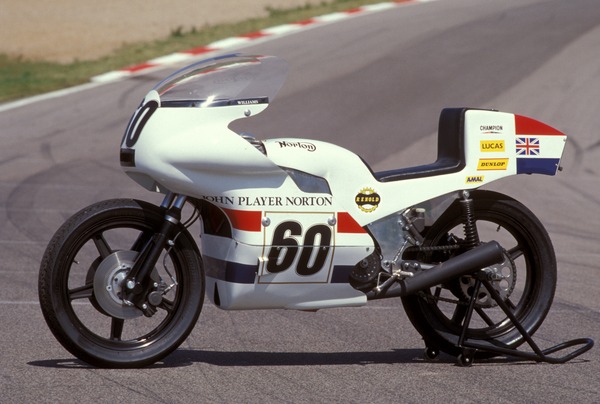
1973: JPN Monocoque Isle of Man TT winner
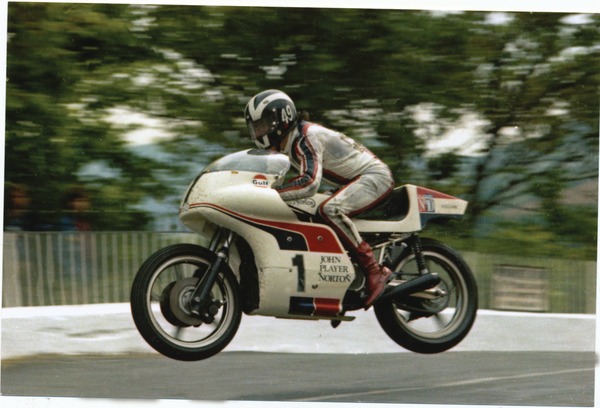
1974: Peter Williams, F750, Isle of Man TT
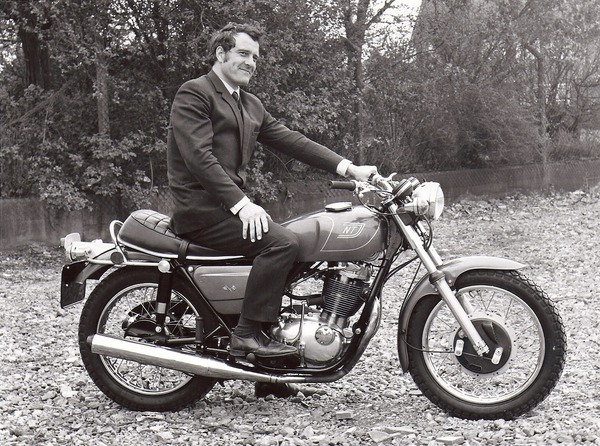
1974: Norton P92 prototype with project engineer Pat Slinn
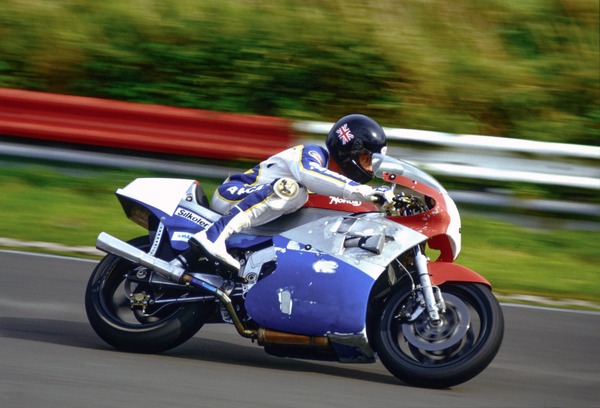
1987: Norton RC 588
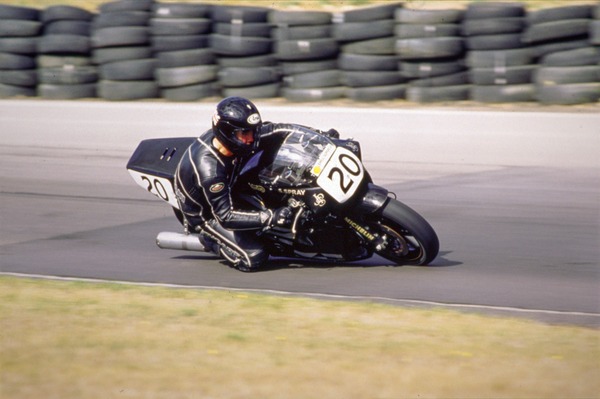
1990: Norton RCW 588
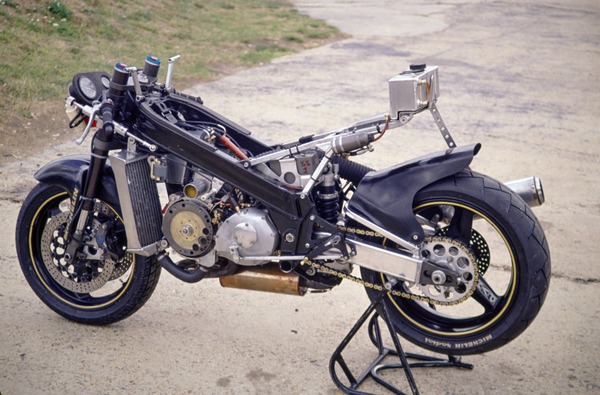
1990: Norton RCW 588
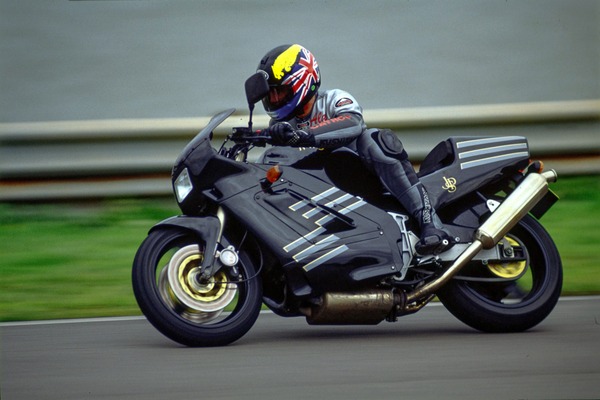
1991: Norton F1 Sport
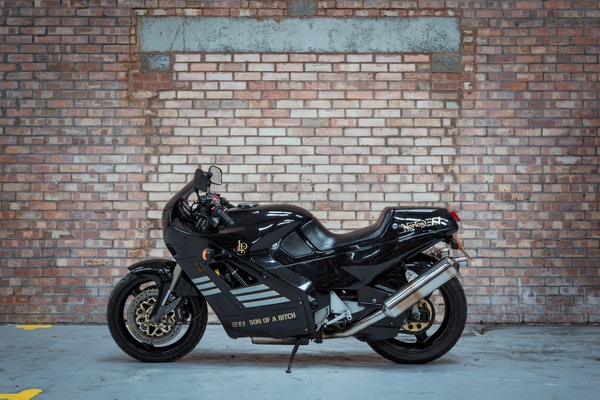
1991: Norton F1 Sport
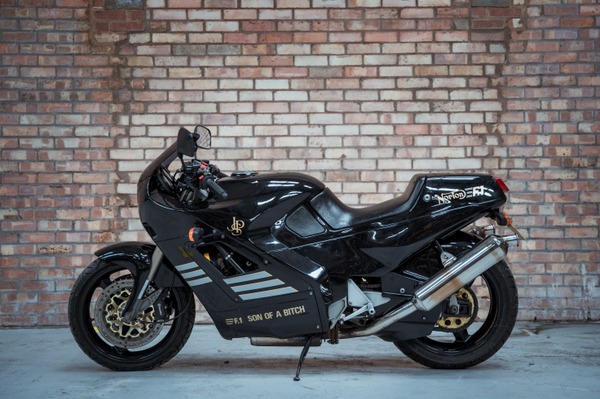
1991: Norton F1 Sport
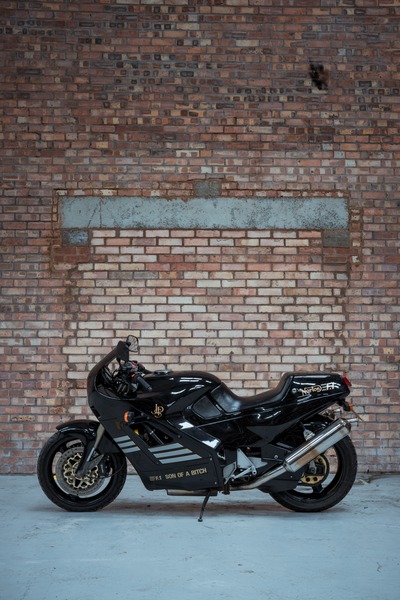
1991: Norton F1 Sport
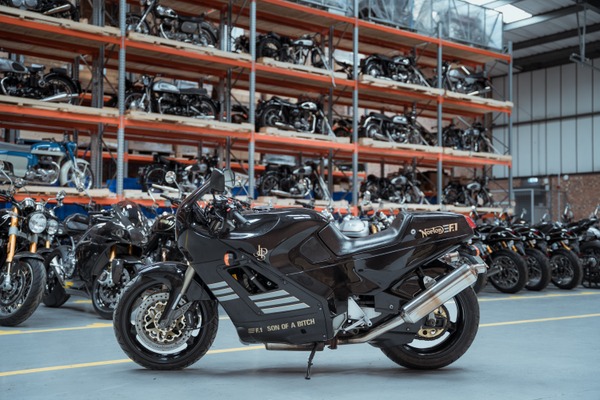
1991: Norton F1 Sport
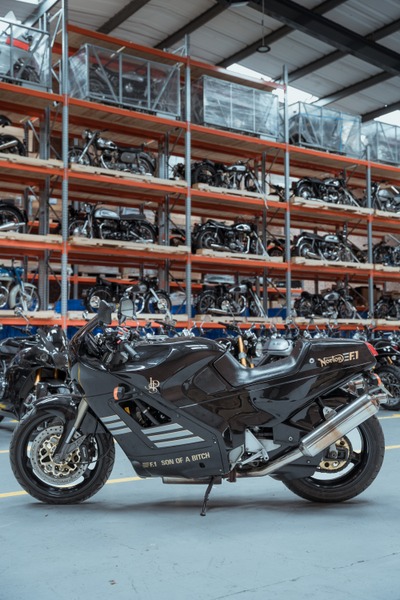
1991: Norton F1 Sport
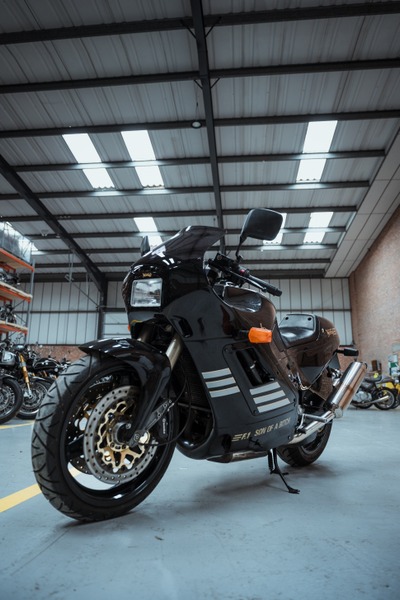
1991: Norton F1 Sport
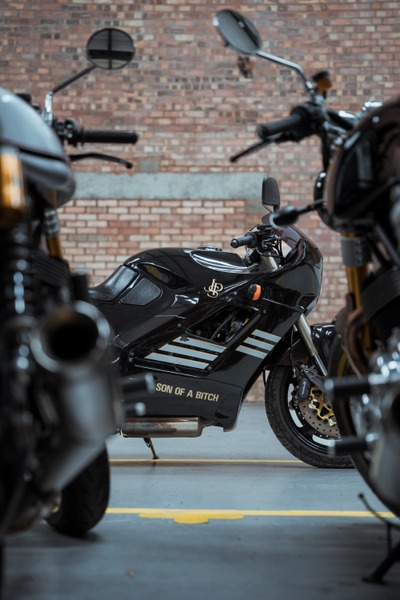
1991: Norton F1 Sport
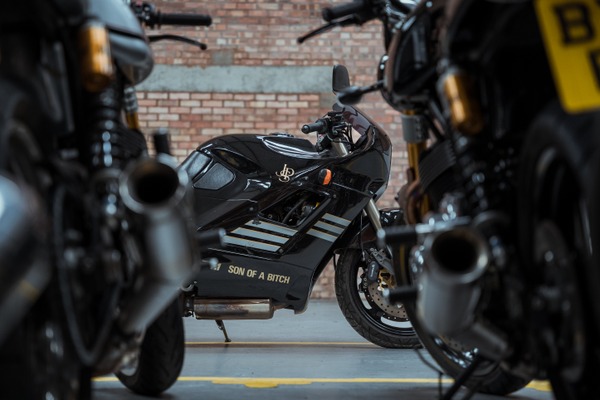
1991: Norton F1 Sport
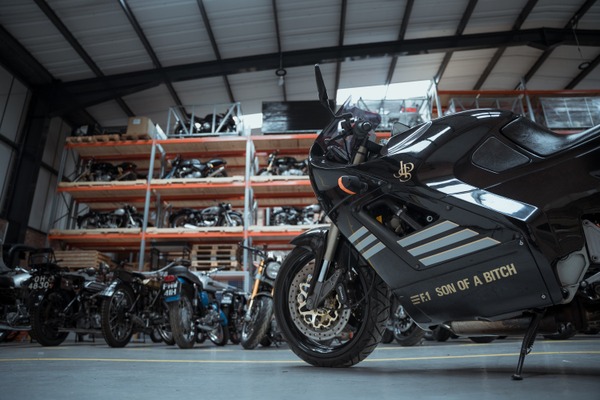
1991: Norton F1 Sport
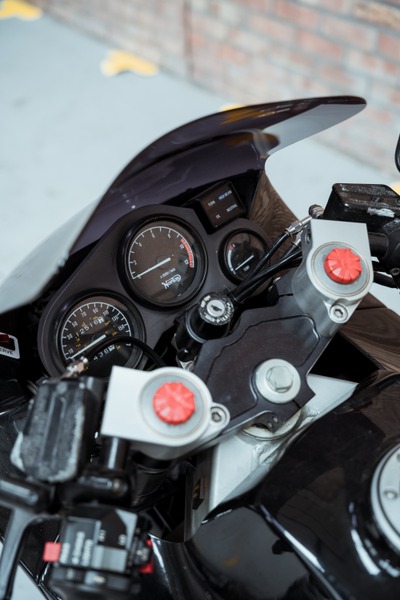
1991: Norton F1 Sport
1991: Norton F1 Sport
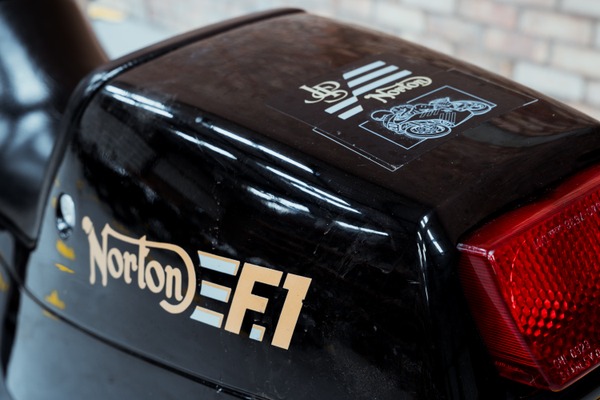
1991: Norton F1 Sport
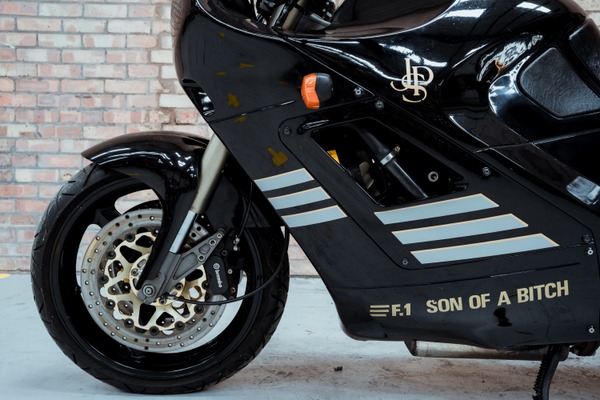
1991: Norton F1 Sport
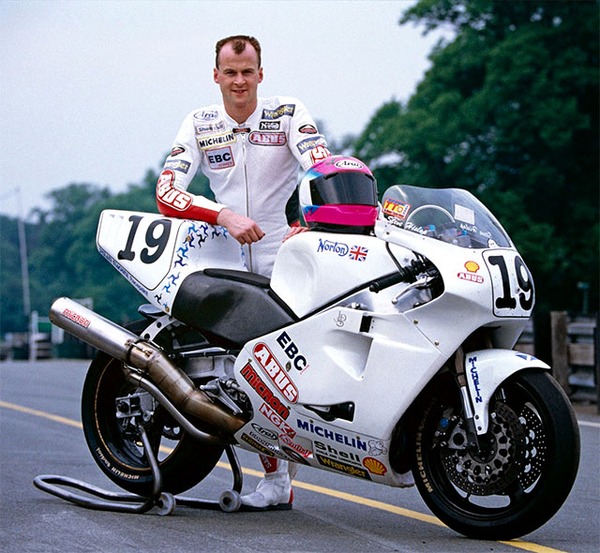
1992: Steve Hislop, Isle of Man Senior TT-winning Norton-NRS588
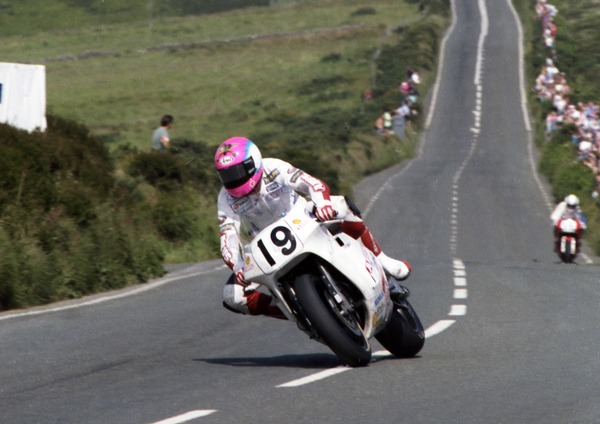
1992: Steve Hislop, Isle of Man Senior TT-winning Norton-NRS588
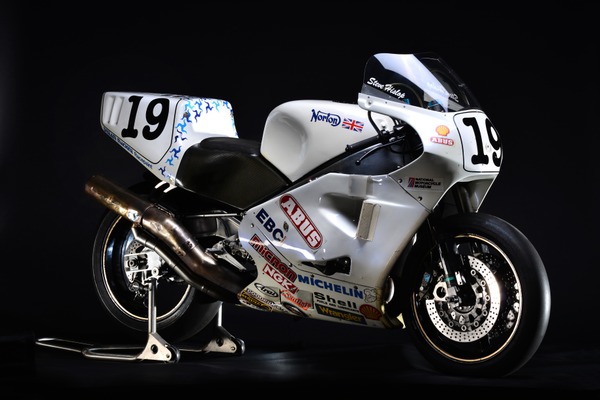
1992: Senior TT-winning Norton-NRS588
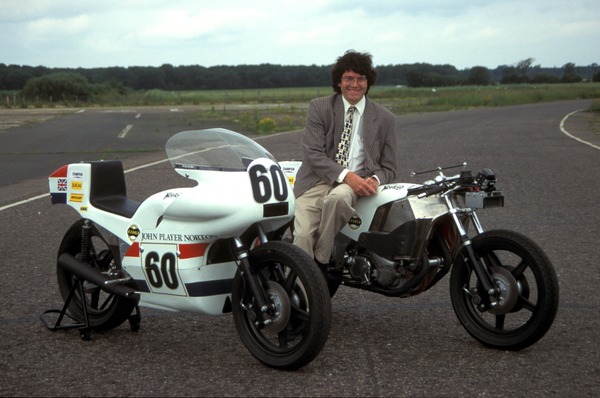
1998: Peter Williams with two 1973 JPN Monocoques
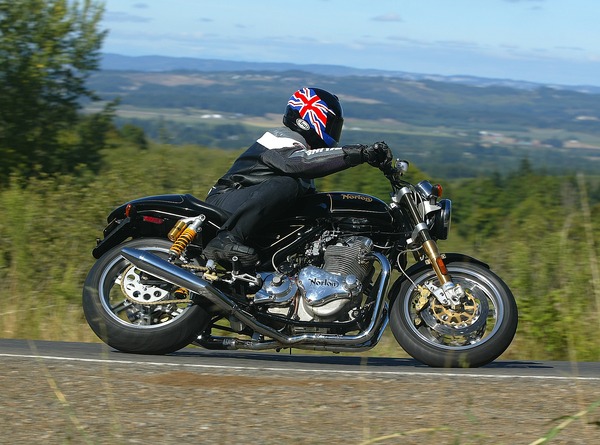
2004: Norton Commando 952 prototype
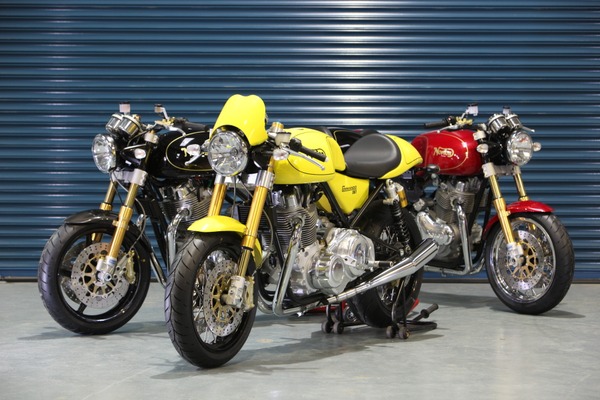
2009: A trio of Norton Commando 961
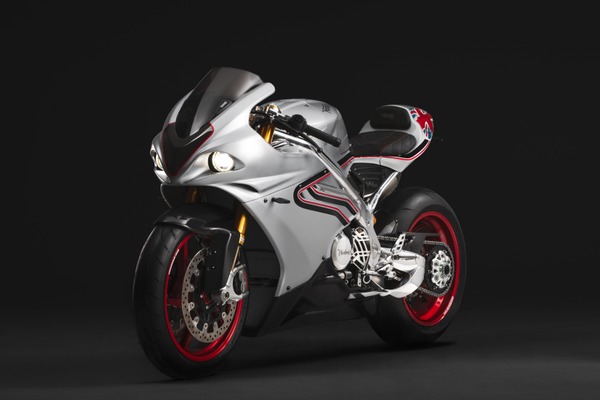
2019: Norton V4 SS 1200
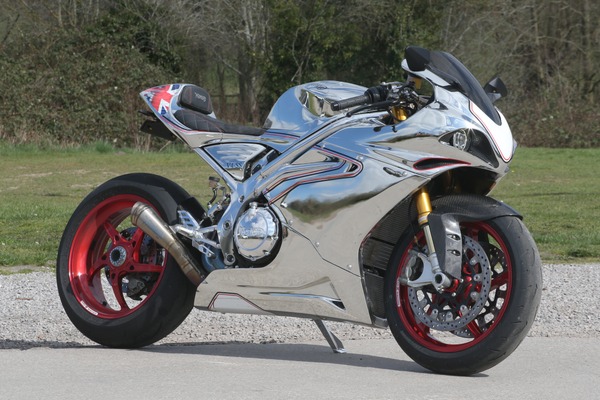
2019: Norton V4 SS 1200
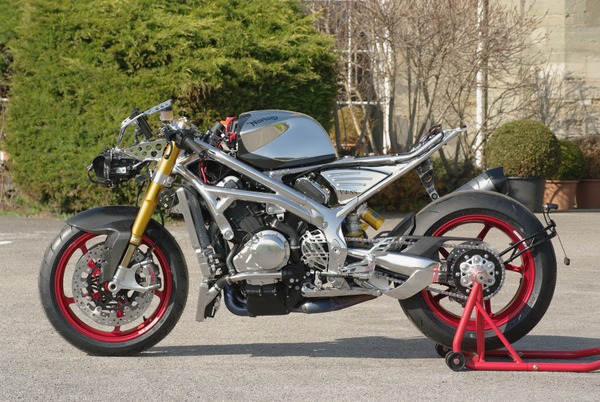
2019: Norton V4 SS 1200
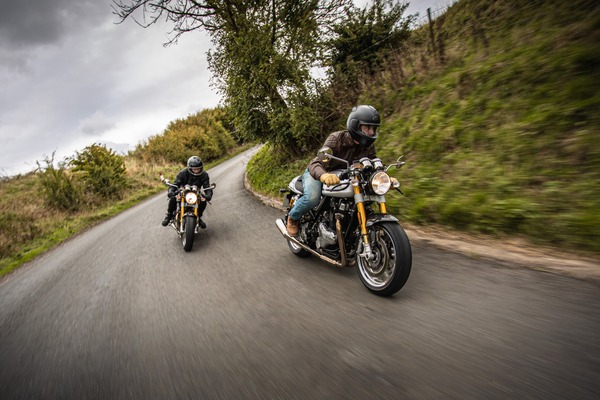
2023: Norton Commando 961
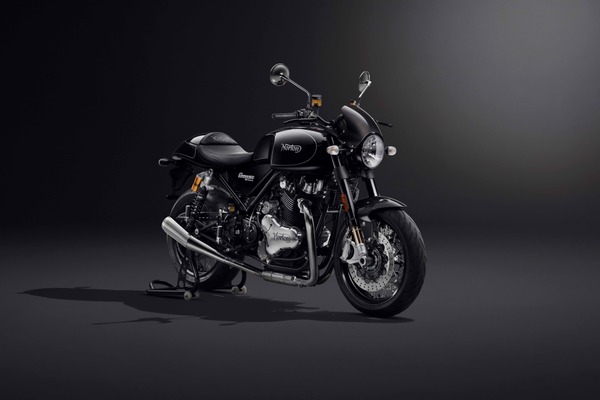
2023 Norton Commando 961
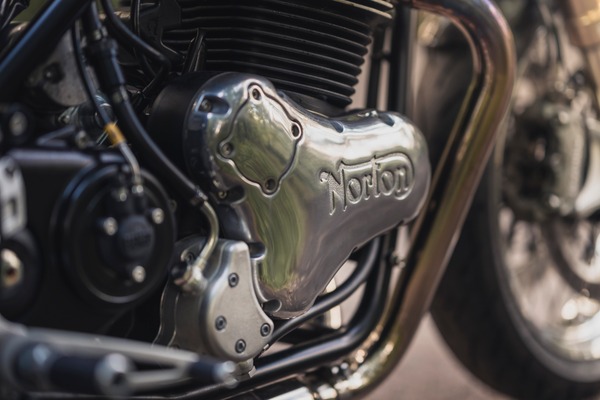
2023 Norton Commando 961
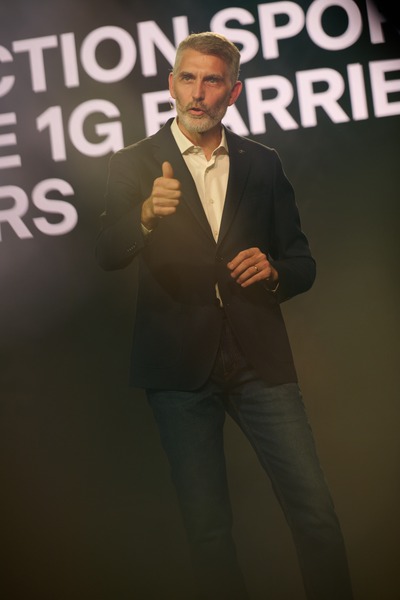
2026: Norton Chief Technical Officer (CTO) Brian Gillen
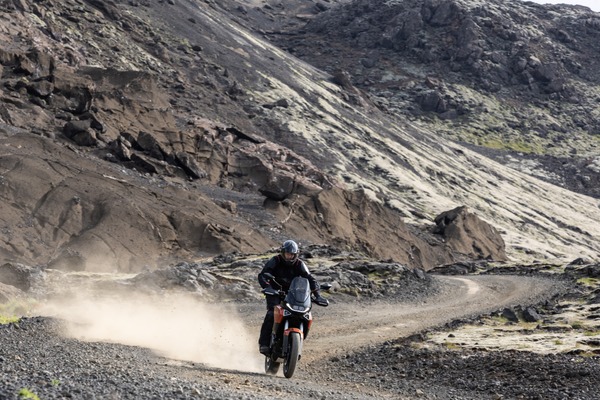
2026: Norton Atlas
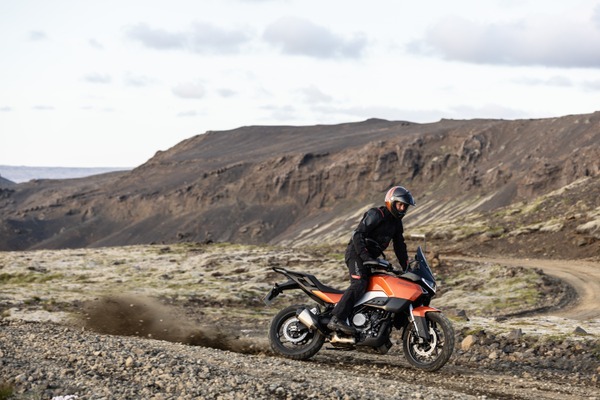
2026: Norton Atlas
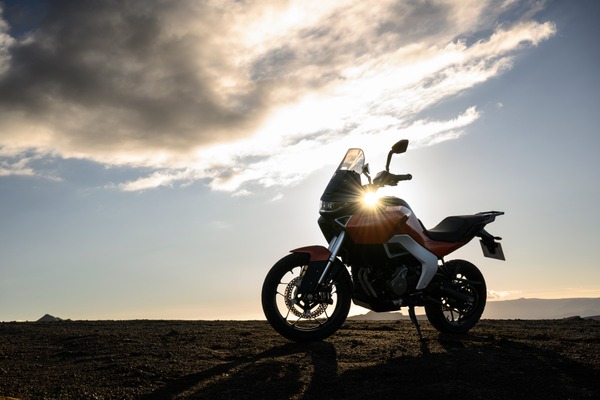
2026: Norton Atlas
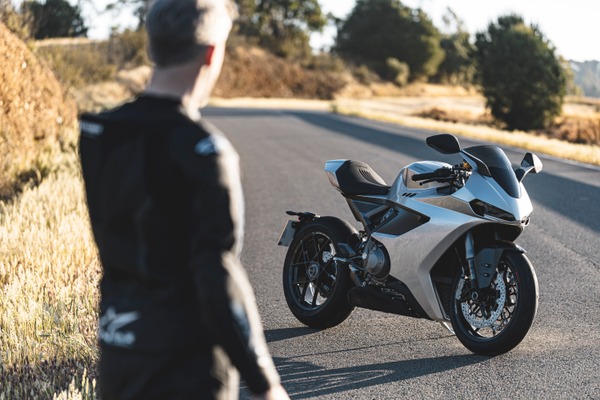
2026: Norton Manx R